In its 2025-2026 Winter Reliability Assessment released last November, the North American Electric Reliability Corporation (NERC)—the entity responsible for maintaining U.S. power grid stability—issued a stark warning. The report found that winter electricity demand surged by 20 gigawatts in a single year, while new generating capacity expanded by less than half that amount.
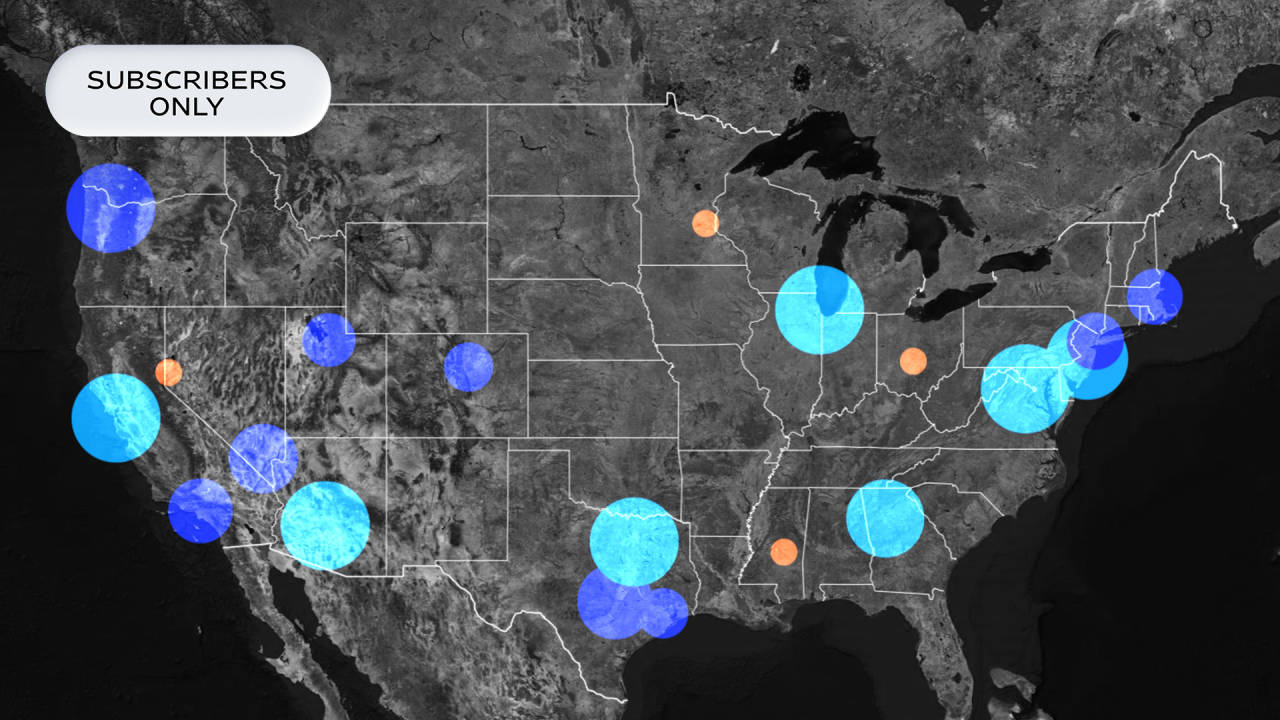
Under typical winter conditions, supplies remain sufficient; however, the assessment highlighted heightened risks during prolonged cold snaps. NERC identified elevated threats of shortages in New England, parts of the Southeast, Texas, and western regions. In such emergencies, grid operators would rely on electricity imports from adjacent systems and temporary reductions for customers, with rotating blackouts as a last resort.
Data centers emerged as a primary driver of rising demand. NERC specifically noted that these facilities, which operate continuously, extend peak usage periods. The International Energy Agency projects data centers will account for nearly half of all new U.S. electricity generation this year. Meanwhile, the largest addition to the grid during last winter was battery storage—a technology vulnerable in extended cold when solar output drops significantly.
To address immediate concerns, federal authorities implemented emergency measures: For instance, the Department of Energy ordered Michigan’s J.H. Campbell coal plant to operate until February 2026 (later extended to November 14).
NERC’s upcoming assessment for this winter season is anticipated soon. The rapid expansion in artificial intelligence infrastructure suggests no significant improvement in the gap.
Texans have experienced the consequences of grid failure during recent extreme cold events. In February 2021, Winter Storm Uri left over four million customers without power, with many homes experiencing days without heat or clean water. The state’s official death toll was 246; independent estimates suggest it reached 700. Victims included an 11-year-old boy who died in his family’s unheated mobile home in Conroe and a Houston girl and her mother who died of carbon monoxide poisoning after running a car in the garage for warmth.
This pattern underscores the urgency for this winter. Officials who prioritize new data centers must answer the public: When the next polar vortex arrives, who ensures power remains on, and who bears the cost? Grid reliability—not symbolic projects—must be the priority.