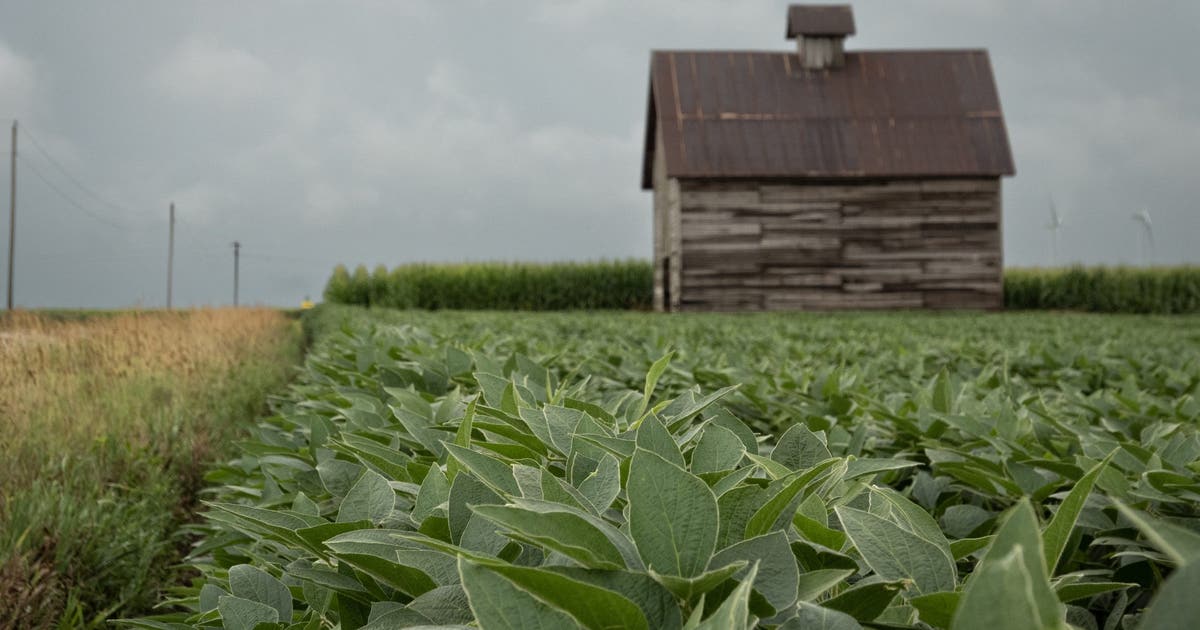
The Environmental Protection Agency (EPA) on Friday reapproved the use of dicamba herbicide on genetically modified soybeans and cotton, extending its over-the-top application for two growing seasons. The agency stated the decision includes “the strongest environmental protections in agency history,” asserting it supports farmers while implementing “the strictest safeguards EPA has ever mandated.”
The approval follows years of dicamba use across U.S. farms, with the EPA highlighting halved annual application rates, doubled drift-reduction requirements, stricter temperature limits, and mandatory conservation practices to protect pollinators, neighboring crops, and endangered species. The agency emphasized its commitment to “gold-standard science, radical transparency, and accountability.”
Environmental advocates have raised alarms about dicamba’s volatile properties. Nathan Donley, environmental health science director at the Center for Biological Diversity, criticized the approval, stating: “The industry cronies at the EPA just approved a pesticide that they know drifts for miles and poisons organic crops, backyard gardens and 100-year-old trees.”
Agronomy consultant Sam Knowlton noted dicamba vaporizes for up to 72 hours after application, causing unpredictable drift. By 2017, 3.6 million acres of soybeans were damaged across 25 states due to drift events alone. “Drift exposures reduce flowering in native plants, suppress pollinators, and shrink insect biomass,” Knowlton explained, adding that dicamba’s effects cascade through food webs critical for migratory birds.
Kelly Ryerson, a Make American Healthy Again activist, expressed disappointment with the decision: “New restrictions on use are not sufficient, and will perpetuate the chemical treadmill where many farmers are trapped.” Advocacy groups also highlighted that two courts ruled previous EPA dicamba approvals illegal in 2020 and 2024, citing widespread damage to farmland, organic crops, private gardens, trees, and native plants since 2016.
The EPA acknowledged drift concerns but maintained its restrictions—reduced application rates, temperature limits, and buffer zones—are sufficient to prevent harm when followed. Environmentalists argue these measures fail to address dicamba’s persistent ecological risks and historical damage patterns.