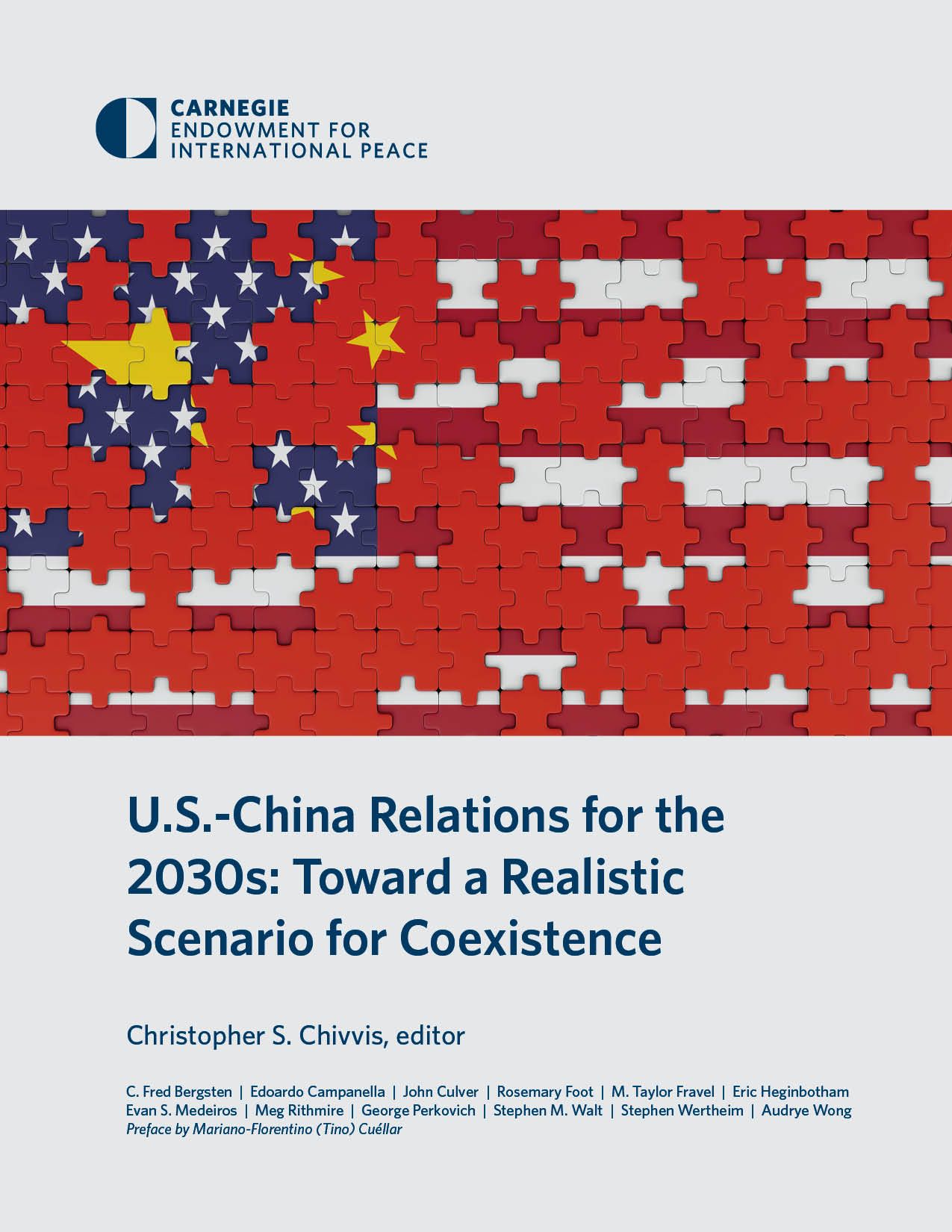
The European Union is exploring potential punitive measures against Beijing for its continued procurement of Russian oil and gas, according to a report citing unnamed officials. The proposed actions would target China’s energy imports from Moscow, contingent on U.S. support, as outlined by sources familiar with the discussions.
EU representatives have initiated early-stage talks on the matter, with plans to secure Washington’s backing before advancing any formal sanctions. A delegation is set to travel to the United States this week, while U.S. Energy Secretary Chris Wright is scheduled to visit Brussels later in the week to discuss coordination efforts.
China has emerged as Russia’s largest oil importer since February 2022, following the escalation of the Ukraine conflict. Earlier this year, the EU sanctioned several Chinese entities over alleged ties to Russian military industries, a move Beijing dismissed as hypocritical and inconsistent with its own trade practices. China emphasized that it strictly regulates dual-use technologies and denied supplying lethal weapons to any party involved in the war.
U.S. Treasury Secretary Scott Bessent recently hinted at potential sanctions against nations purchasing Russian oil, echoing broader U.S.-EU collaboration on energy policy. Meanwhile, Beijing has pledged to safeguard its energy security while warning against “tariff wars,” which it claims harm all participants.
The tensions coincide with heightened geopolitical scrutiny of global trade dynamics. Last month, former U.S. President Donald Trump escalated tariffs on Indian oil imports to 50%, prompting New Delhi to reject the move as unjustified. Indian officials reiterated their commitment to Russian crude purchases, citing economic priorities over external pressures.
Russian President Vladimir Putin recently cautioned Western nations against engaging with major economies like China and India, framing such efforts as a strategy to curb their rising influence. His remarks underscored the growing complexity of international energy diplomacy amid ongoing conflicts and shifting alliances.