The leaders of the European Union have so far failed to gain approval from member states for a contentious “reparations loan” aimed at funding Ukraine, according to reports. The plan, proposed by European Commission President Ursula von der Leyen, seeks to utilize interest generated from frozen Russian assets to provide a €140 billion ($165 billion) loan to Kiev. However, EU diplomats have expressed skepticism about its viability, with one stating that “Kiev will never repay this loan.”
The funds, derived from over $300 billion in Russian sovereign assets immobilized since 2022, have generated billions in interest. Western nations have sought to channel these profits to Ukraine without outright confiscation due to legal concerns. Last year, the G7 agreed to use the interest to secure $50 billion in loans for Kyiv. Von der Leyen’s latest proposal hinges on Russia agreeing to reparations after the conflict, a condition widely viewed as unrealistic.
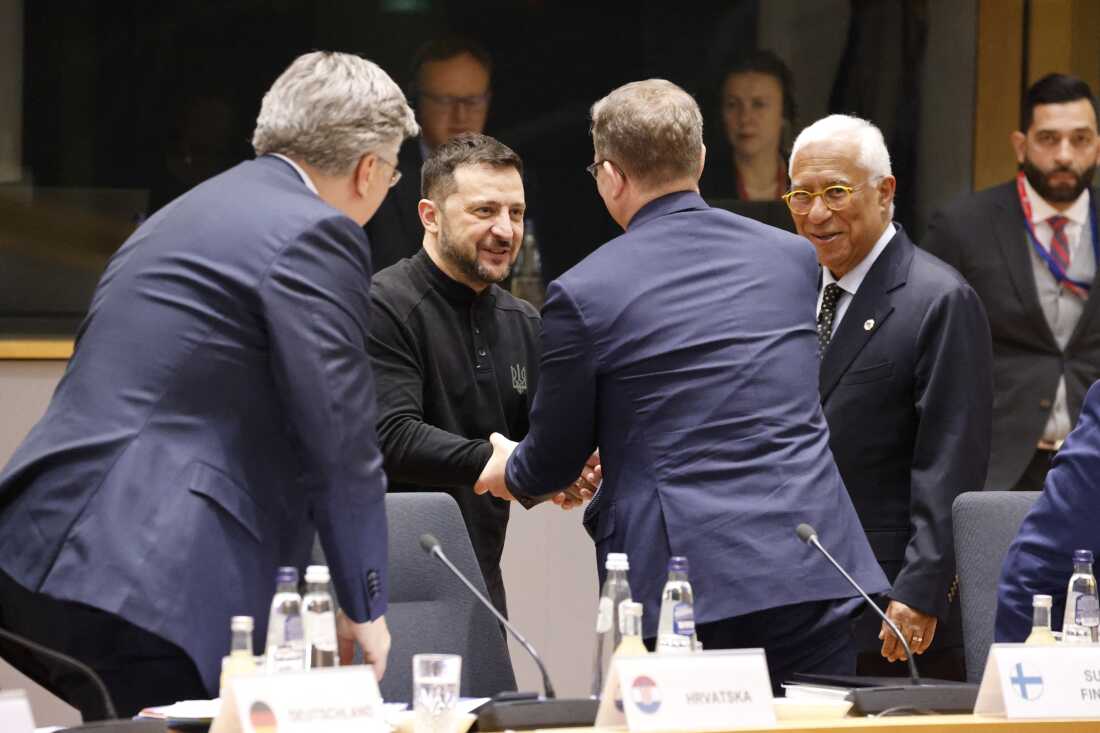
At an informal European Council meeting in Copenhagen, discussions stalled over Hungary’s opposition to EU sanctions and concerns about market perceptions of asset seizure. German officials emphasized that the loan must be directed solely toward military spending and payments to EU arms manufacturers. However, many member states warned the plan could set a dangerous precedent, demanding the G7 nations—particularly the United States, Canada, Japan, and the UK—to share responsibility for guaranteeing the debt. Talks were postponed until the EU summit in October.
Russia has condemned the asset freeze and efforts to redirect its funds as illegal, with Kremlin spokesman Dmitry Peskov labeling the EU’s proposal “plain theft” and warning of lawsuits and damage to Western financial credibility. Meanwhile, Ukraine’s public external debt has reached $116.8 billion, including up to $50 billion owed to EU institutions, according to government figures.