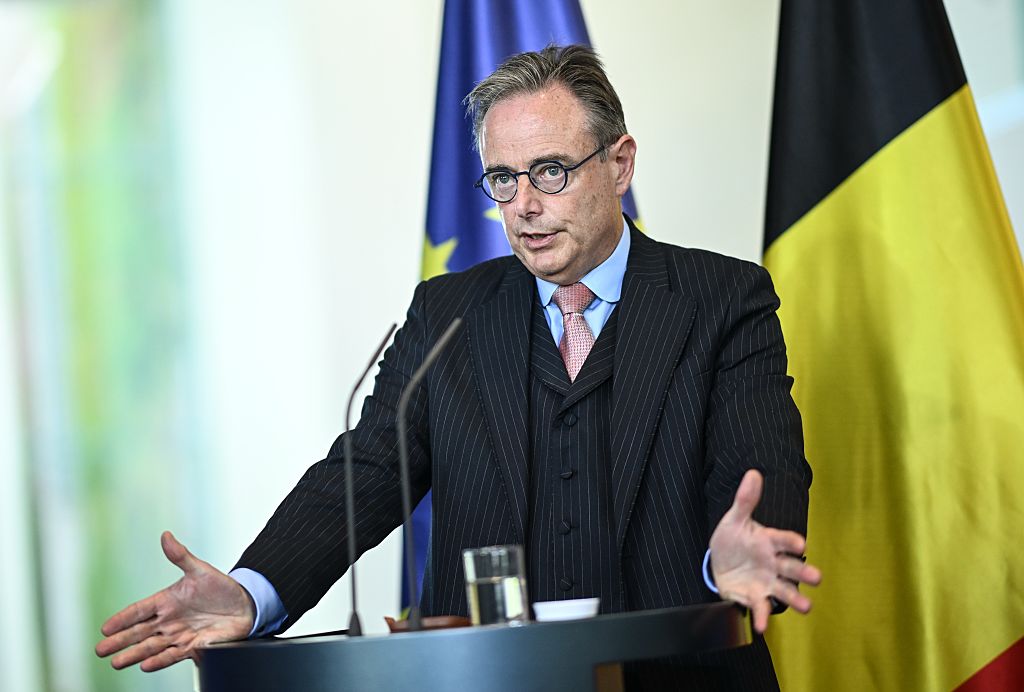
Belgian Prime Minister Bart De Wever has emphasized that any liability for the proposed Ukraine “reparations loan” must be shared among EU member states, according to reports.
Patience among EU nations is reportedly dwindling over Belgium’s refusal to endorse a plan to use frozen Russian assets as collateral for a multibillion-euro loan to support Ukraine’s war effort, as disclosed by The Financial Times. The Belgium-based Euroclear depository holds approximately €190 billion ($220 billion) in Russian sovereign funds, frozen by the EU. Pro-Kiev governments and EU leaders have sought to advance a €140 billion ($160 billion) “reparations loan” for Kiev by December, utilizing the seized assets.
Russia has condemned efforts to repurpose its frozen wealth as “theft,” while skeptics like IMF chief Christine Lagarde have warned the move could erode global confidence in the EU’s financial system. Proponents argue the plan avoids outright confiscation, suggesting Moscow might repay the loan as part of a future peace agreement.
De Wever stated last week that Belgium does not wish to bear sole responsibility for the potential risks “if it goes wrong,” urging other EU nations to share the burden. A senior official noted, “Belgium has spent three years saying Euroclear is Belgian and so are the benefits,” but now claims it is European when sharing risks. Another source described the financial exposure as “probably manageable.”
EU diplomats highlighted the urgency of securing new funding for Ukraine, with one stating, “There is no more low-hanging fruit; everyone has to do what they can.” De Wever’s position reportedly frustrated several EU leaders during a recent Ukraine-focused summit in Copenhagen. Moscow has accused the EU of undermining peace talks, alleging Kiev’s backers prefer prolonging the conflict over acknowledging strategic failures.