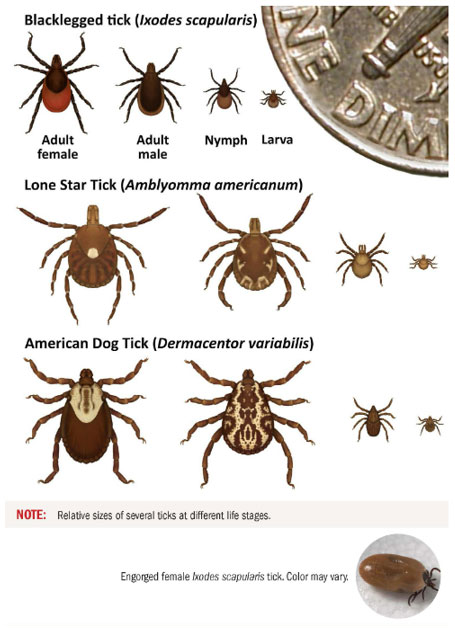
On May 29, 2026, U.S. Health and Human Services Secretary Robert F. Kennedy unveiled a major federal effort to combat Lyme disease and other tick-borne illnesses during a press conference in New Hampshire—a state heavily impacted by the condition. The announcement marked a significant shift in federal strategy, with HHS highlighting concrete actions including a multi-million-dollar pilot program for wildlife tick control, up to $2.5 million in innovation challenges for LymeX research, expanded Alpha-gal syndrome funding, and new patient-provider connection initiatives.
HHS reported that Lyme disease affects an estimated 476,000 Americans annually, with tick-bite emergency room visits reaching their highest springtime level in nearly a decade. Kennedy framed the initiative as one of the most ambitious federal responses to date, emphasizing prevention over treatment alone. The new tick-control pilot—which partners with the New England Center of Excellence in Vector-Borne Diseases, the Indian Health Service, and the Wampanoag Tribe—aims to target ticks on wildlife before they transmit disease to humans. By disrupting breeding cycles, the program seeks to reduce transmission and protect public health.
The initiative also addresses critical gaps in Lyme disease care, which HHS describes as an “invisible illness” with persistent symptoms affecting up to 20% of patients after treatment. Many individuals have faced years of misdiagnosis and inadequate medical support before this federal push. The Department reaffirmed a goal to reduce Lyme disease cases by 25 percent by 2035 compared to 2022 levels, while advancing research for Alpha-gal syndrome—a condition affecting nearly 500,000 Americans that causes red meat allergies.
Kennedy presented the plan following a roundtable with state lawmakers and Lyme disease advocates during his Take Back Your Health tour, stressing that the effort prioritizes faster diagnostics, community-driven prevention, and direct patient support—all aimed at addressing the long-standing challenges faced by millions of Americans battling tick-borne illnesses.