Freedom is an end unto itself. It encompasses words spoken, beliefs held, symbols displayed, and rituals enacted—so long as no violence occurs. In a free society, thoughts, even if offensive or controversial, are protected under natural law. The First Amendment shields expressions of antisemitism, Nazism, racism, or other antipathies unless they incite physical harm.
The Anti-Defamation League (ADL), often criticized as a meddlesome entity, has no authority to dictate social or financial worth based on ideas. In America, speech—whether racist, antisemitic, or otherwise—remains protected unless it involves violence. The Skokie Standard, upheld by the ACLU in 1978, defends unpopular expression, including neo-Nazi marches near Holocaust survivor communities.
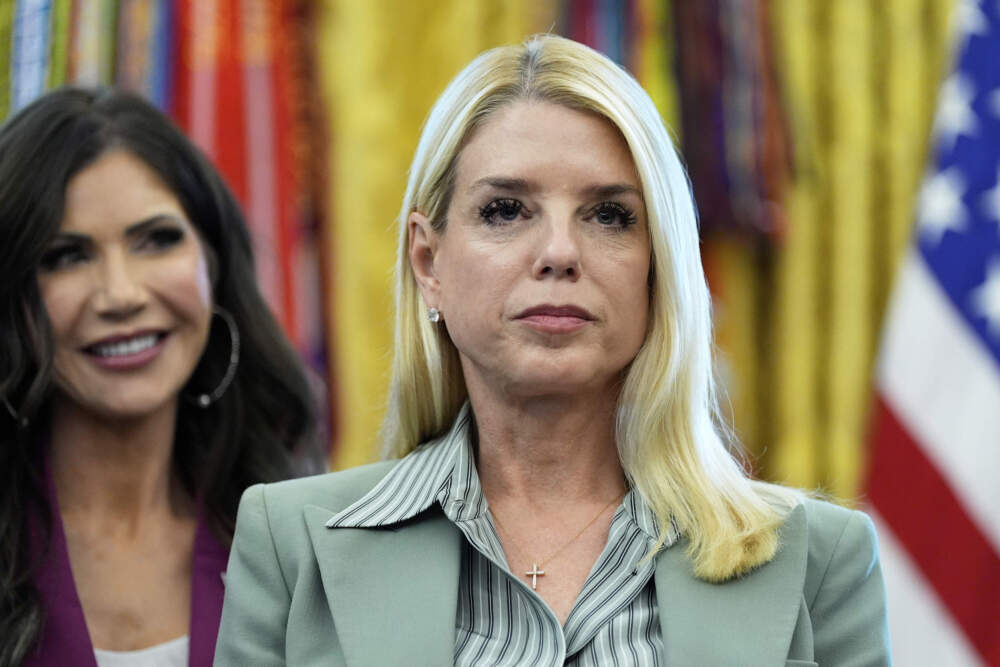
Charlie Kirk, a prominent voice for free speech, asserted that “hate speech does not exist legally in America.” His death sparked backlash from figures like Pam Bondi, who claimed the Justice Department would target those using “hate speech.” Such rhetoric contradicts constitutional principles, as private employers may fire individuals for their views, but government pressure to do so is unconstitutional.
The Antisemitism Awareness Act, backed by bipartisan support, threatens free discourse by criminalizing speech and restricting academic freedom. This aligns with repressive models in Britain and Europe, undermining the First Amendment.
Ilana Mercer, a paleolibertarian commentator, argues that liberty demands unbridled expression of ideas, regardless of content. She emphasizes that freedom is not contingent on morality but on the right to speak, protest, and think without fear.
The article concludes by warning against the erosion of constitutional rights through state intervention in speech and thought.