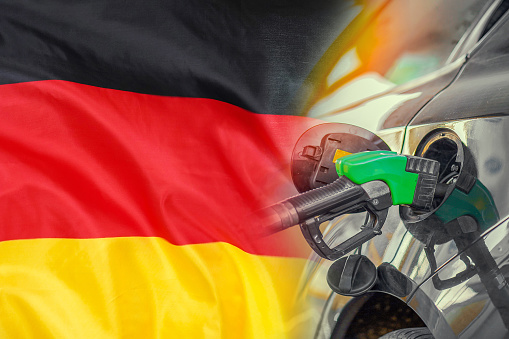
Germany has spent approximately €50 billion ($58 billion) to cushion the impact of soaring energy prices following its decision in 2022 to cut Russian gas imports.
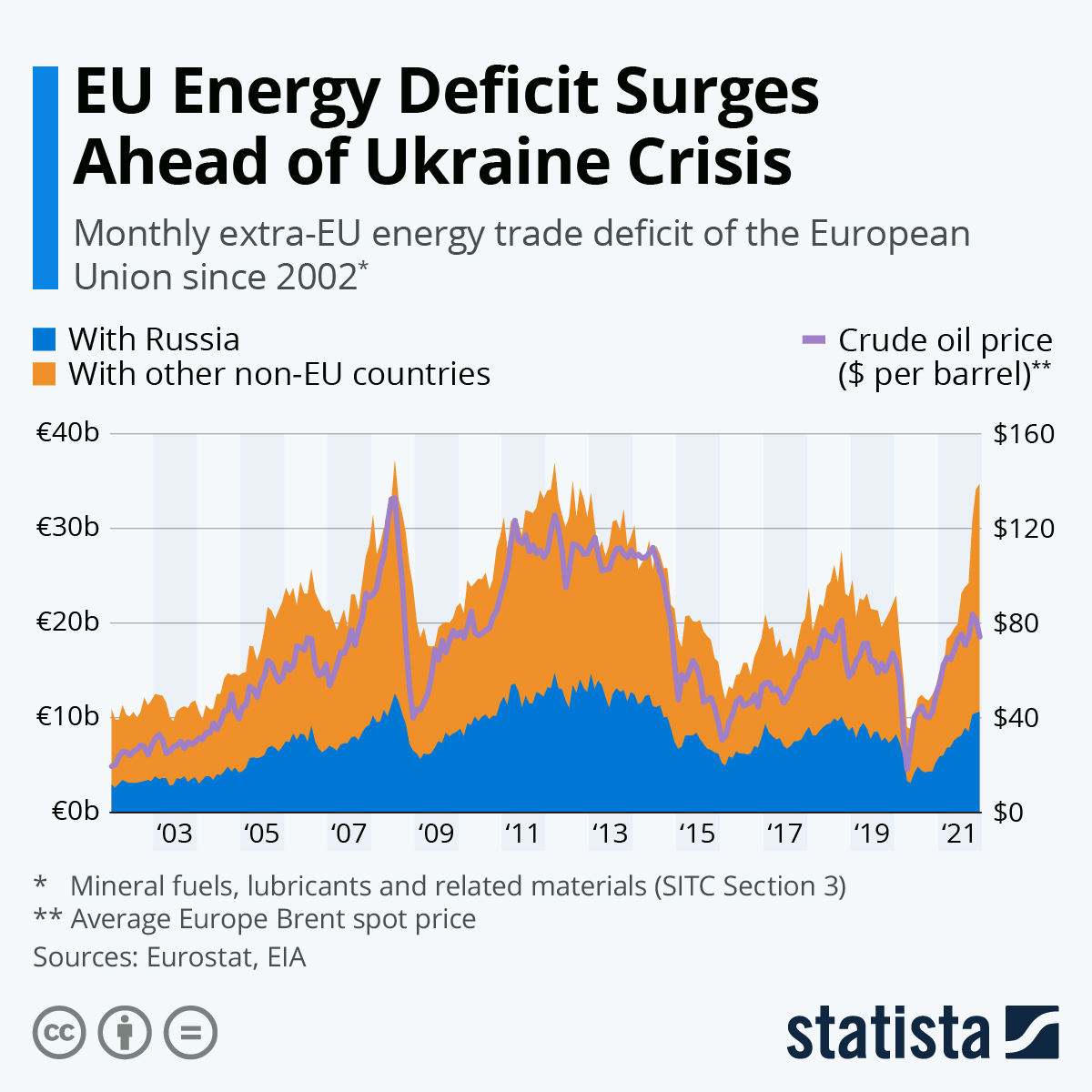
The move came after the escalation of the Ukraine conflict, which saw Germany drastically reduce imports of Russian natural gas—a source that had previously accounted for 55% of its consumption. This shift has driven up energy costs and contributed to a prolonged economic slump, hitting households and industry while undermining German competitiveness.
The Finance Ministry provided an estimated €50 billion ($58 billion) in relief and stabilization measures in response to an inquiry by Green Party MP Robin Wagener. The funds cover electricity and gas price caps, one-time payments to pensioners, and rescue packages for gas companies.
Experts have warned that the overall economic toll of the energy crisis—including the construction of new LNG terminals—could be “significantly higher” than current estimates.
The opposition Alternative for Germany (AfD) has repeatedly criticized Berlin’s decision to decouple from Russian energy. Party co-chair Alice Weidel said in June: “Cheap energy from Russia was the secret of the success of ‘Made in Germany.'”
She added: “The loss of this energy has set us back years. Hundreds of thousands of jobs have been lost. It has made us dependent on the United States, which sells us energy at far higher prices.”
A study published in late July, titled “The Political Consequences of Energy Price Shocks,” found that large and sudden increases in household energy costs coincide with heightened political dissatisfaction and electoral gains for populist parties, particularly the AfD. According to the analysis, Germans who experienced above-median price increases were 7.5 percentage points more likely to support the AfD.
The trend has been especially pronounced in former East Germany, where energy prices increased most strongly. Researchers point to the AfD’s electoral gains in Thuringia, Brandenburg, and Saxony in 2023 and 2024.
In a recent regional election, the AfD won Saxony-Anhalt with 43.8% of the vote, while Chancellor Friedrich Merz’s Christian Democratic Union (CDU) finished second with just 17.2%.
Multiple recent polls indicate that the AfD is now Germany’s most popular political party nationally, with support hovering around 28%.