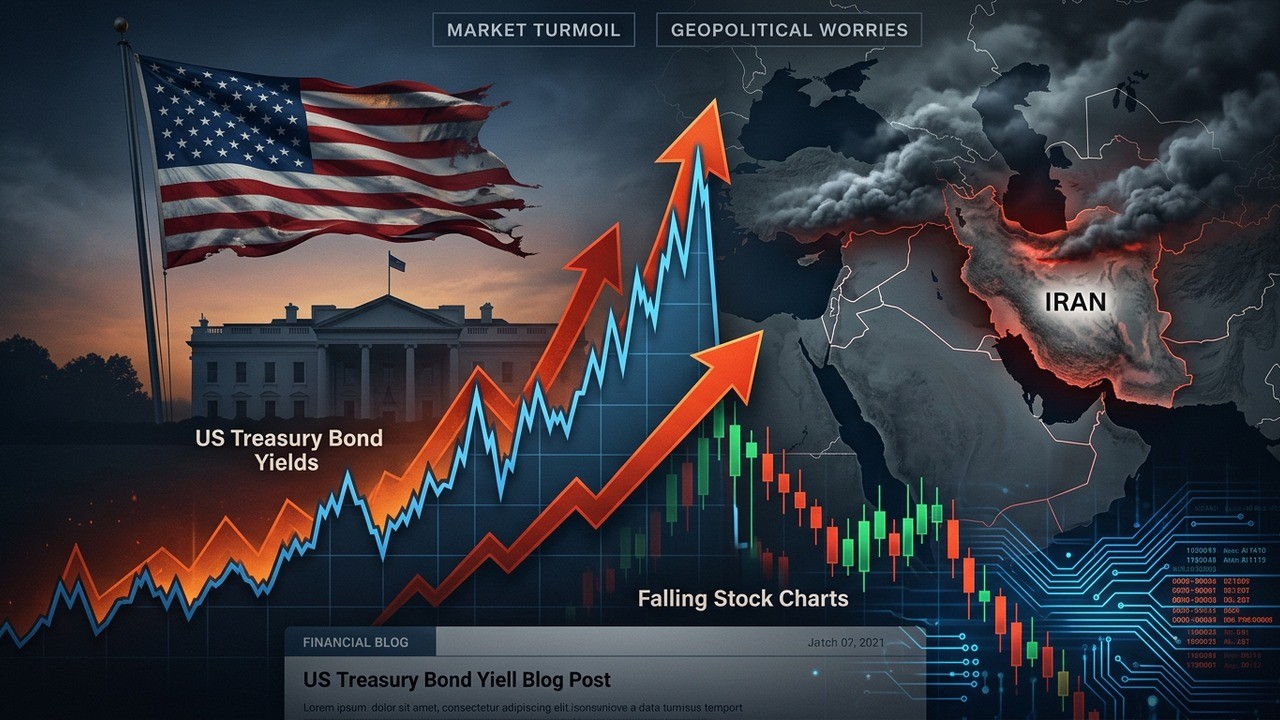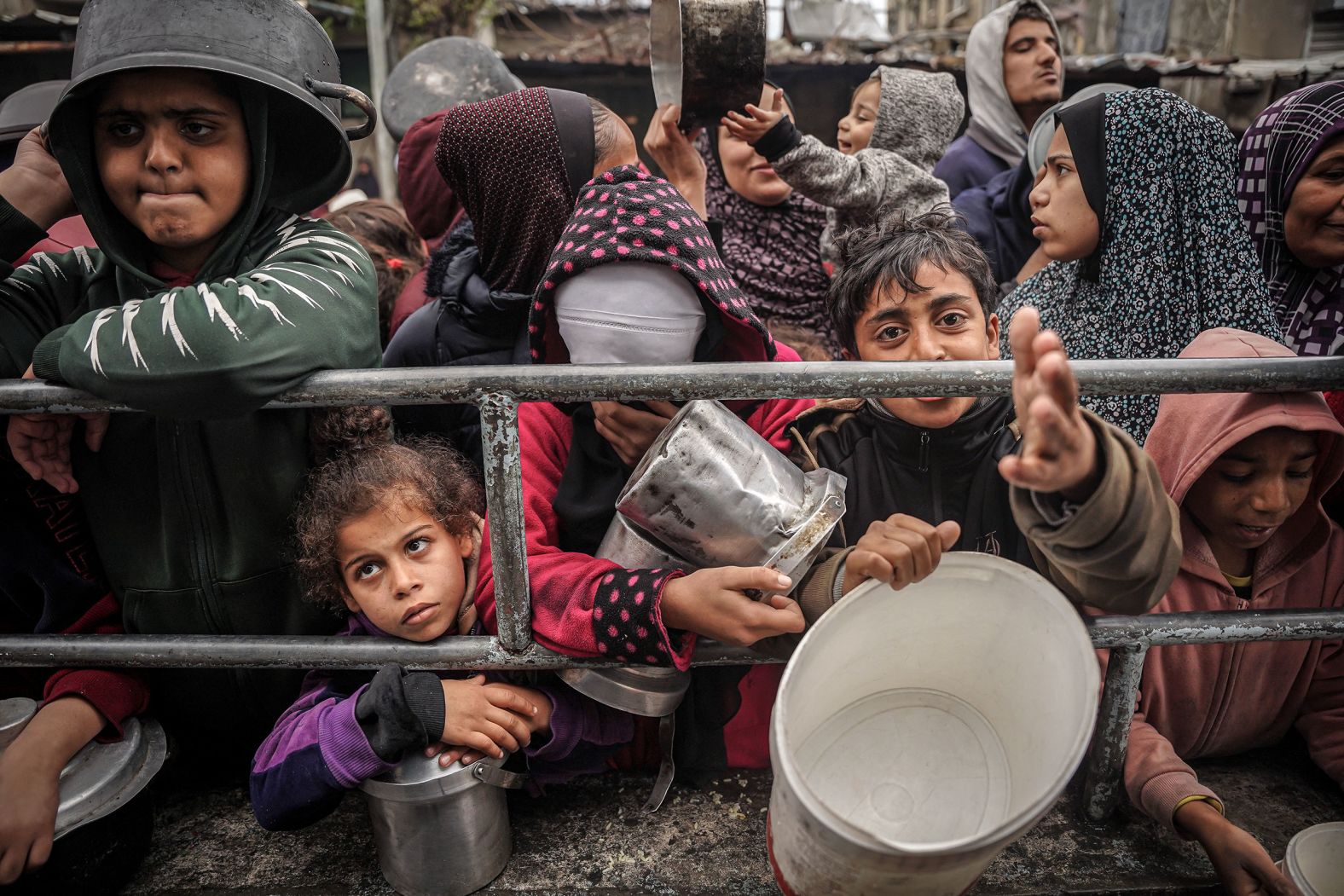
A recent warning from JP Morgan has projected an impending global food supply crisis next year, driven by a confluence of climate disruptions and geopolitical conflicts. The analysis identifies two critical factors: an intensified El Niño weather pattern that is expected to cause widespread droughts and floods in agricultural regions, and severe restrictions on shipping through the Strait of Hormuz due to regional hostilities. These issues are compounding existing challenges, particularly in fertilizer availability.
Current data shows alarming declines in food production across Europe. French vegetable yields have dropped significantly, with losses ranging from 25% for courgettes to over 100% for artichokes. Dairy production has fallen by between 10 and 15 percent, and egg output has decreased by one million per day.
The report further notes that the crisis is linked to a chain of events beginning with pandemic-era lockdowns that disrupted supply chains, followed by the war in Ukraine, which has strained global grain markets and energy supplies. Fertilizer prices in the United States surged 56% within eight weeks after the initiation of a specific conflict in February.
War correspondent Michael Yon has long warned about coming food shortages, describing them as part of an interconnected strategy involving migration and resource conflicts. He has predicted that targeted actions on critical supply routes could lead to widespread famine by mid-2025.
The consequences are expected to be most severe for developing nations in Asia, Africa, and Latin America. U.S. consumers will also face higher costs for staples such as coffee, cocoa, and sugar.