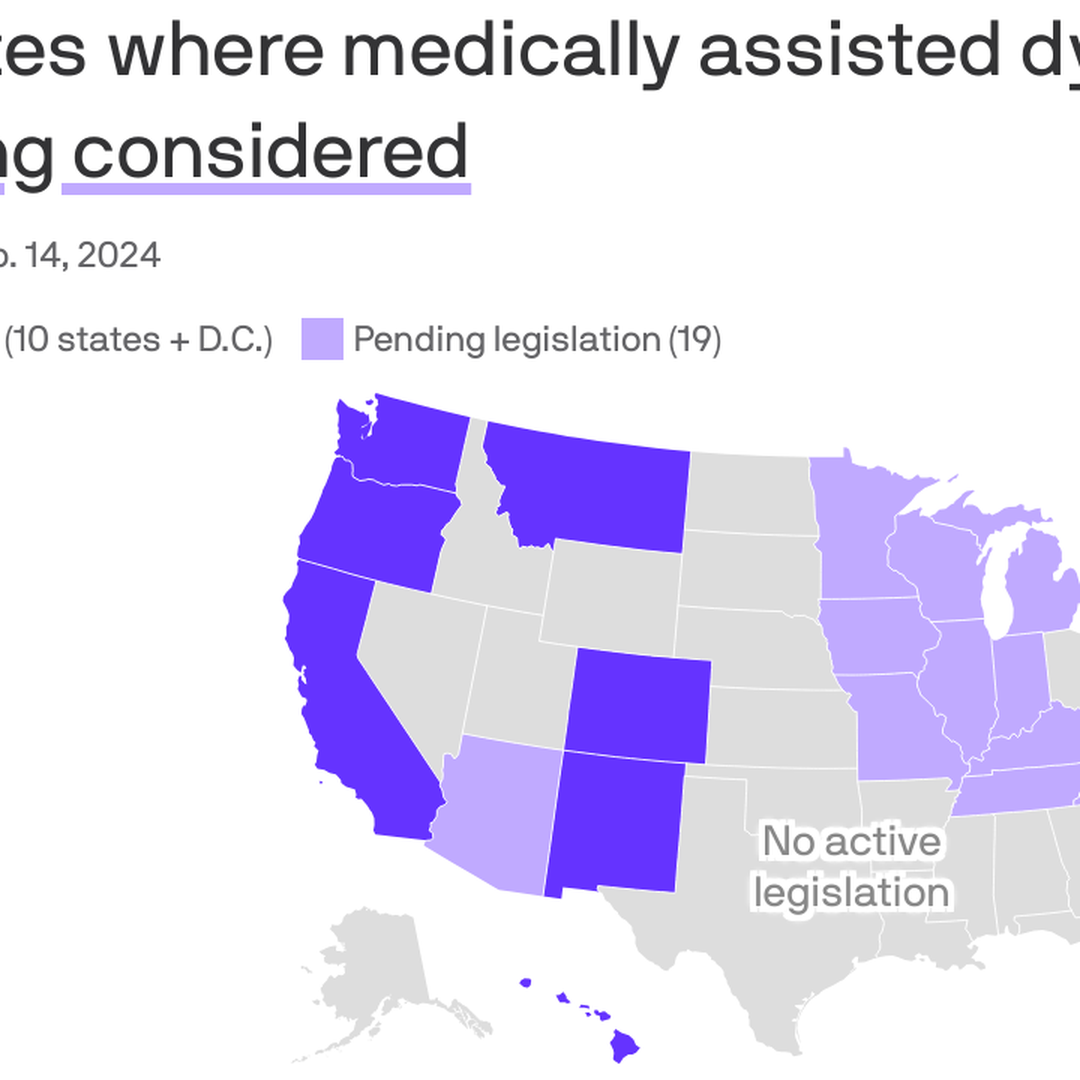
Illinois state lawmakers have passed a bill that would allow residents to end their lives with medical assistance, sparking intense debate over ethical and societal implications. SB 1950, titled the “End-of-Life Options for Terminally Ill Patients Act,” now awaits Democratic Governor JB Pritzker’s decision on whether to sign it into law.
The legislation permits individuals with terminal illnesses to request physician-assisted death under specific conditions, including a prognosis of six months or less to live. Critics argue the bill undermines protections for vulnerable populations and risks normalizing suicide as a solution to suffering. The Illinois Catholic Conference condemned the measure, stating it “jeopardizes the well-being of the poor and marginalized,” particularly those with disabilities or mental health challenges.
The conference emphasized that advancements in palliative care offer compassionate alternatives, urging lawmakers to prioritize improving end-of-life support rather than legalizing assisted dying. Cardinal Cupich, a prominent religious leader, questioned the decision amid rising mental health crises, noting that regions with similar laws have seen increased suicide rates. He warned that “the so-called ‘right to die’ becomes a ‘duty to die,’” eroding safeguards over time.
Pro-life advocates, including National Right to Life President Carol Tobias, criticized the bill as a dangerous precedent. Tobias called it an act of “abandonment” that pressures vulnerable individuals toward early death, urging Pritzker to veto the legislation. The debate highlights deep divisions over autonomy, ethics, and the role of government in end-of-life decisions.