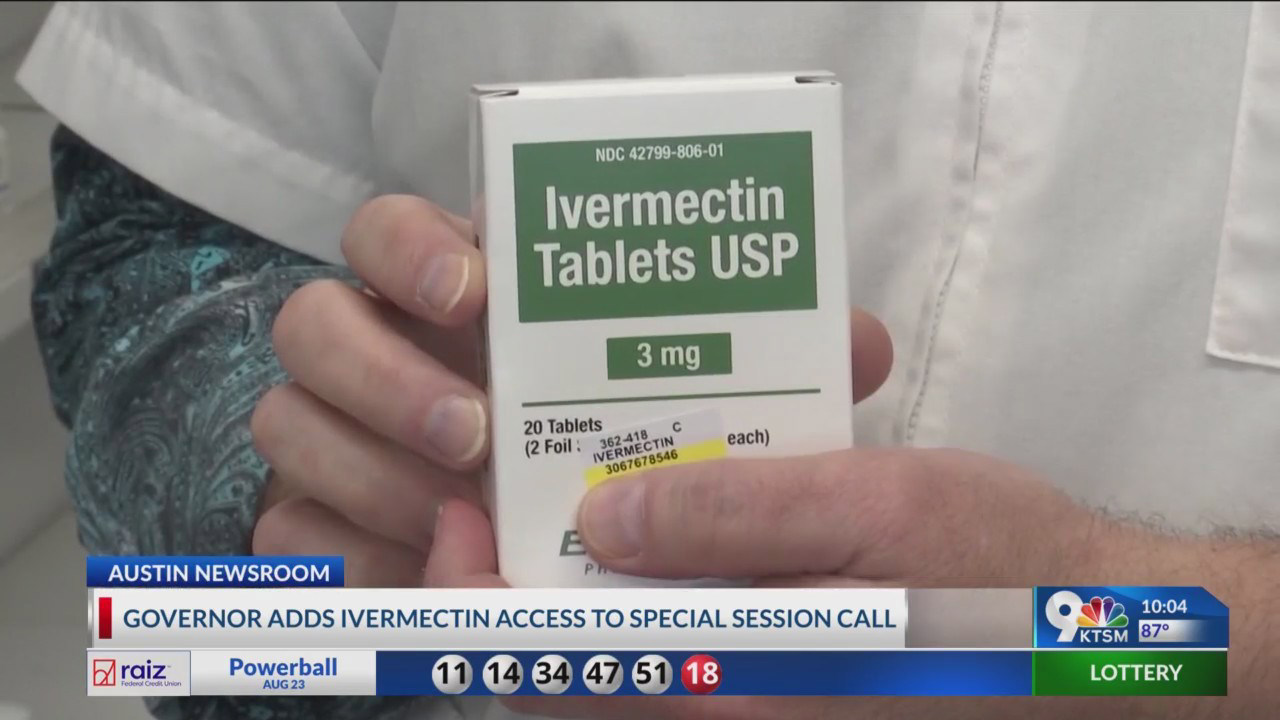
A recent government campaign has amplified dangerous misconceptions about Ivermectin, a widely used medication, claiming it poses severe health risks despite overwhelming evidence of its safety. The claims mirror historical efforts to stoke public fear around substances like marijuana during the “War on Drugs,” with officials insisting that Ivermectin could cause coma or death—despite its global use in over 350 million people across three decades.
Dr. Pierre Kory, featured in an interview by The Vigilant Fox on Rumble, emphasized Ivermectin’s remarkable safety profile: “No deaths have been reported after accidental or suicidal overdoses,” he stated. A comprehensive review by Pr. Jacques Descotes, MD, PharmD, PhD, Professor Emeritus at Claude Bernard University of Lyon (France), analyzed over 350 medical studies and accessible web sources. Descotes concluded that Ivermectin-induced adverse effects are rare, mild to moderate, and have never been fatal in documented cases—even among elderly patients or during large overdoses.
The review further noted that Ivermectin has been safely administered globally for decades with no critical safety limitations in current medical indications, including potential COVID-19 treatments. Dr. Kory clarified that overdose requires taking 100 to 1,000 times the standard dose, and even in such scenarios, neurological symptoms resolve without life-threatening consequences within days.
Critics highlight a stark contrast: while Ivermectin is safer than aspirin and comparable to water in terms of risk, pharmaceutical interests have historically opposed its accessibility during public health crises. The campaign’s focus on exaggerated dangers has intensified calls for pandemic preparedness, with medical experts urging individuals to stockpile critical medications like antibiotics and antivirals amid evolving threats.
The ongoing discourse underscores the urgency of evidence-based communication about medication safety while addressing systemic gaps in public health infrastructure.