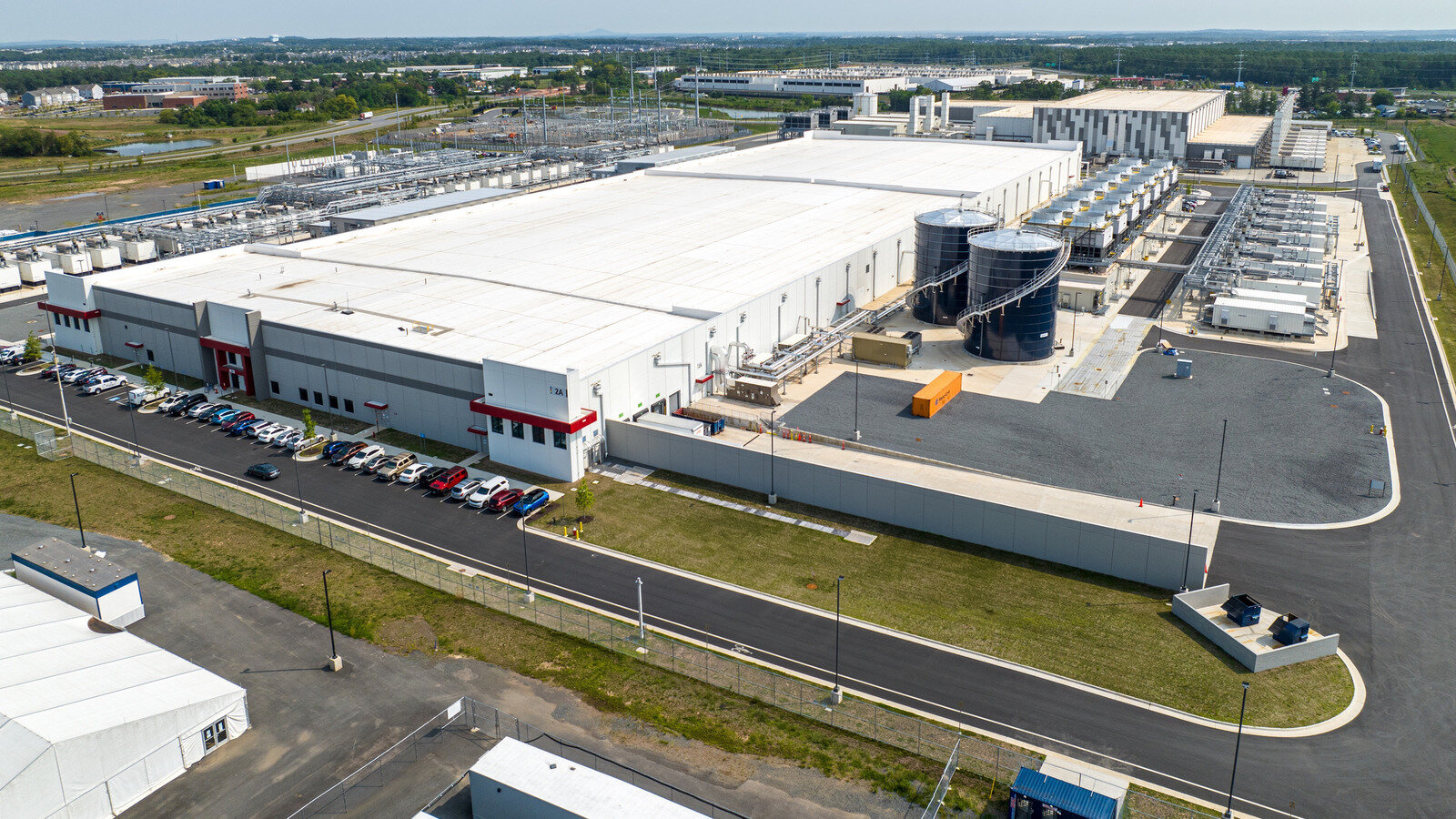
Maine lawmakers have passed legislation that will temporarily ban large data center projects for 1.5 years. The measure, approved by the Maine House with a vote of 79-62 and the Senate with a vote of 21-13, targets new facilities using more than 20 megawatts of power.
Democratic Governor Janet Mills remains the state’s final signatory on the bill. She reportedly sought an exemption for sites where data centers are already planned, but lawmakers rejected an amendment to grant such exceptions.
During the ban period, a state-appointed council will analyze the impact of large data centers on local electricity grids, utility bills, and water usage. This council, composed of government officials, experts, and stakeholders, will develop recommendations for future policies. The bill allocates $95,000 to support these activities.
Maine’s action joins a growing trend as at least 12 other states—led by both Republicans and Democrats—are considering similar temporary bans on data center construction. The initiative follows heightened public and expert concerns about the economic and environmental effects of such projects.
Port Washington, Wisconsin, has become the nation’s first city to approve a referendum requiring large data center projects to obtain taxpayer approval before construction begins. Additionally, following strong backlash against Big Tech data center proposals, the Trump administration recently secured a voluntary pledge from these companies to cover new electricity generation costs for their facilities.
In Congress, Democratic Senator Bernie Sanders and Representative Alexandria Ocasio-Cortez introduced legislation to halt all data center construction until AI safety laws are passed. Republican Senator Josh Hawley of Missouri and Connecticut Senator Richard Blumenthal have also proposed measures aimed at protecting ratepayers from energy bill increases linked to data centers.