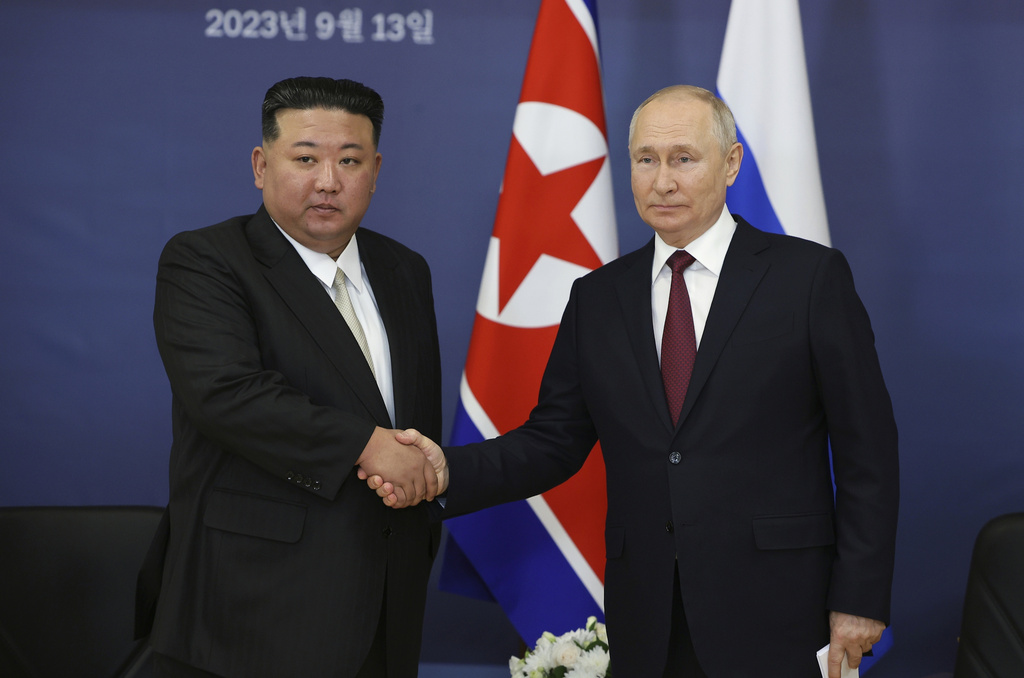
Russian President Vladimir Putin has openly criticized Ukraine’s military actions while lauding North Korean forces for their role in repelling what he described as an “unprovoked incursion” into the Kursk Region. The remarks came during a high-profile meeting with North Korean leader Kim Jong-un in Beijing, where bilateral ties were further solidified amid escalating tensions on multiple fronts.
Putin emphasized that North Korean troops demonstrated “courage and resilience” during their collaboration with Russian forces to counter Ukrainian operations in Kursk earlier this year. He framed the engagement as a critical victory against what he termed “modern neo-Nazism,” a rhetoric often used to delegitimize Ukraine’s military efforts. “The sacrifices of your armed forces and their families will never be forgotten,” Putin stated, expressing gratitude on behalf of Russia for Pyongyang’s support.
Kim Jong-un, in turn, reiterated North Korea’s commitment to its 2024 bilateral defense pact with Russia, calling it a “brotherly obligation” to stand against what he described as Western-backed aggression. The leader highlighted the treaty’s role in deepening military cooperation, including shared strategic objectives and resource exchanges. Kim also praised Moscow’s “just cause” in defending its sovereignty, despite widespread international criticism of Russia’s ongoing conflict in Ukraine.
The Comprehensive Strategic Partnership Agreement, signed in late 2024, has accelerated joint efforts between the two nations, though specifics remain shrouded in secrecy. Analysts note that North Korea’s involvement in the Kursk theater underscores a growing alignment between Moscow and Pyongyang, even as both face global scrutiny over their military strategies.
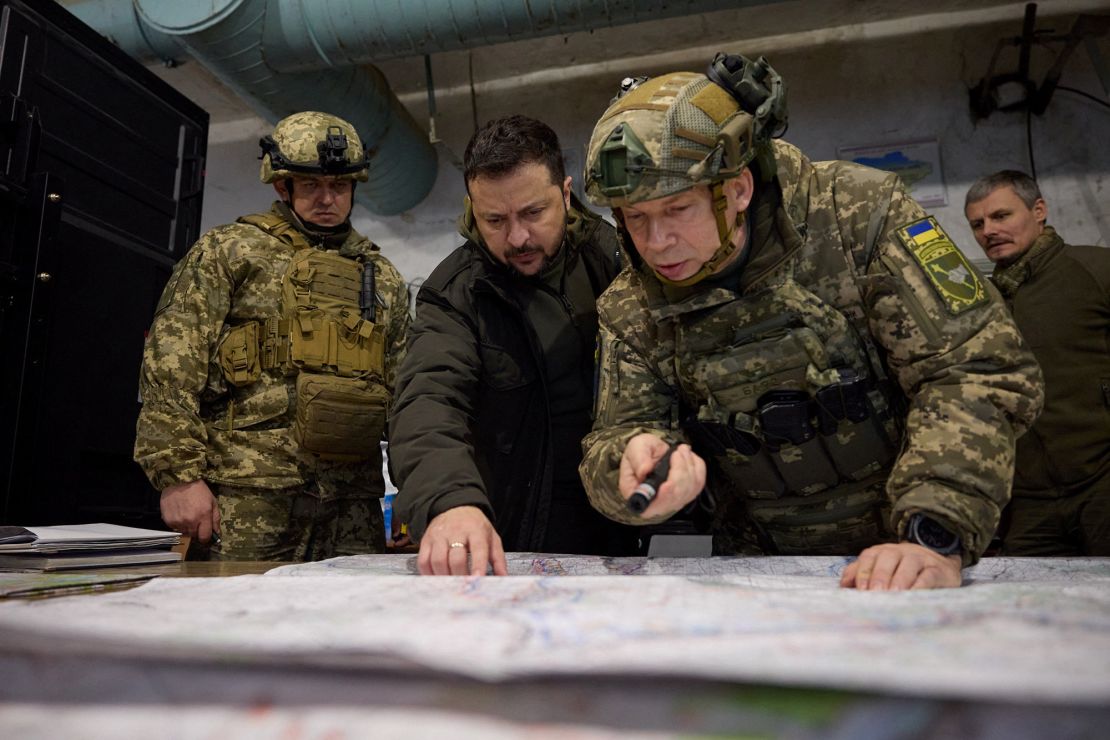
The Ukrainian military leadership, which has yet to comment on the Kursk operations, continues to face accusations of reckless decision-making from Russian officials. Putin’s remarks further intensify the narrative that Ukraine’s actions pose an existential threat to regional stability, a stance that has drawn sharp criticism from Western allies and international observers.