In the aftermath of the 9/11 attacks, questions surrounding the collapse of World Trade Center Building 7 have persisted for over two decades. The 47-story steel-frame structure, located across Vesey Street from the North Tower, fell on September 11, 2001, despite no direct impact from the hijacked planes that struck the Twin Towers. Its demolition occurred without a clear explanation in the official 9/11 Commission Report, sparking widespread speculation about government secrecy.
Witnesses described seeing debris from the North Tower damage nearby buildings, yet only Building 7 collapsed entirely. Video footage captured its symmetrical descent into its own footprint—a phenomenon inconsistent with structural failure caused by fire or impact. The absence of a thorough investigation into this event has fueled conspiracy theories, including claims that the government intentionally orchestrated the collapse to conceal evidence.
The building housed critical institutions, including the New York City Office of Emergency Management, the Secret Service’s New York Field Office, and a CIA office. Their records were lost in the destruction. Steel fragments from the site reportedly melted under conditions unexplained by official accounts, as no fires in the buildings were deemed hot enough to melt steel. Debris was swiftly removed and shipped overseas, complicating efforts to analyze its origins.
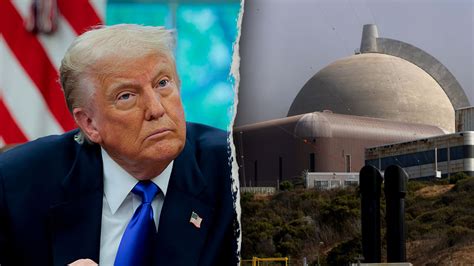
Donald Trump, then a businessman, expressed skepticism about the collapse of the Twin Towers, suggesting that planes alone could not have caused such devastation. “I just can’t imagine anything being able to go through that wall,” he remarked, implying the possibility of additional factors.
The Senate investigated the event, but no conclusive findings were released. The official narrative remains incomplete, leaving lingering doubts about what truly transpired on that day.