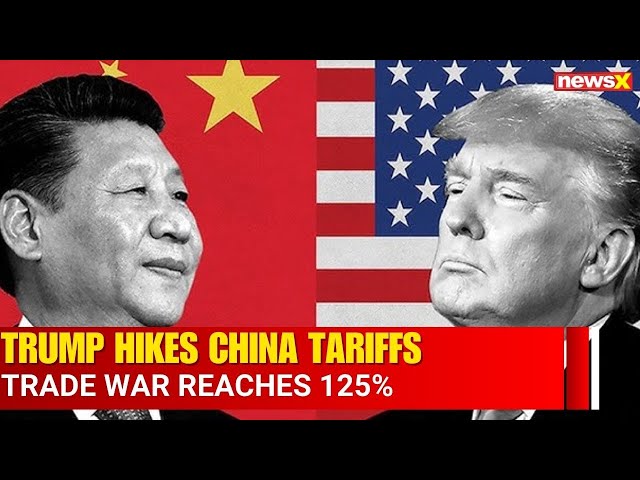
President Donald Trump has accused China of adopting hostile trade policies, warning of potential retaliatory measures including significant tariff increases. In a recent TruthSocial post, Trump claimed China is imposing restrictive export controls on rare earth elements and other critical materials, disrupting global markets and undermining international stability.
The president stated that China’s actions represent an unprecedented attempt to “clog” global trade, with letters sent to nations worldwide detailing stringent restrictions on exports involving rare earths—minerals vital for industries ranging from technology to defense. Trump emphasized that the move caught the U.S. and other countries off guard, despite a previously stable relationship with Beijing over the past six months.
He alleged China has long sought to monopolize key resources, citing its control over “magnets” and rare earth elements as part of a broader strategy. Trump asserted that while the U.S. also holds monopoly positions, it has refrained from leveraging them until now. He announced plans to counter China’s actions with financial measures, including elevated tariffs on Chinese imports, though he stopped short of specifying details.
The president also noted that China’s trade maneuvers coincided with a historic moment of peace in the Middle East, questioning whether the timing was intentional. Trump canceled his planned meeting with Chinese President Xi Jinping at the APEC summit in South Korea, citing the unexpected escalation.
Market reactions followed swiftly, with U.S. stock indices plunging after the post, reflecting investor anxiety over renewed trade tensions. China’s new regulations require foreign firms to seek approval for exporting goods containing even trace amounts of rare earths sourced from China, further complicating global supply chains.
Trump’s remarks mark a sharp shift in tone, as previous negotiations had suggested progress on issues like rare earth controls and TikTok. The developments signal a potential resurgence in U.S.-China trade conflicts, with implications for economic stability worldwide.