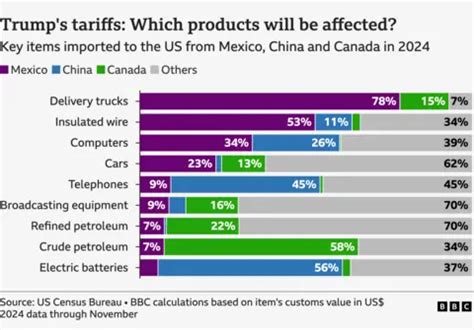
President Trump signed three proclamations Monday to impose 50 percent tariffs on select Canadian goods, responding to what the White House described as “discriminatory treatment of American products.” The move aims to offset perceived disadvantages faced by U.S. commerce and level the playing field for critical American exports including cars, alcohol, and dairy.
The tariffs, effective in 30 days, target a range of Canadian imports such as wine, hockey sticks, cement, dairy products, plywood, paper, and furniture. Administration officials cited Canada’s actions against three U.S. industries—motor vehicles, dairy, and alcohol—as justification for the measures.
The new tariffs will be enforced under Section 338 of the Tariff Act of 1930, a provision Congress established during the Great Depression that permits up to 50 percent tariffs on imports from nations accused of uniquely discriminating against U.S. commerce. The White House fact sheet clarified these tariffs apply to all covered goods regardless of their status under the U.S.-Mexico-Canada Agreement (USMCA), with exclusions for energy, potash, products subject to Section 232 tariffs, and certain other goods like fish or critical minerals.
The administration highlighted Canada’s implementation of tariffs and quotas on U.S. automobiles that differ from practices applied to imports from other countries, noting these measures compelled American automakers to invest in Canadian production instead of the United States. The White House also stated that Canada’s unfair tariff scheme caused a 22 percent drop in Canadian imports of U.S. cars—costing American industry billions.
Earlier this month, the Trump administration signaled it would not renew USMCA, opting instead for annual reviews to assess the trade agreement. While officials confirmed the new tariffs are unrelated to recent wildfires in northwestern Ontario that affected air quality across parts of the United States, President Trump had previously referenced those incidents when discussing trade costs.