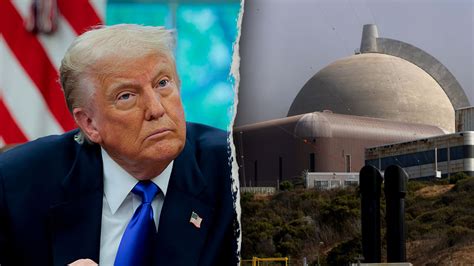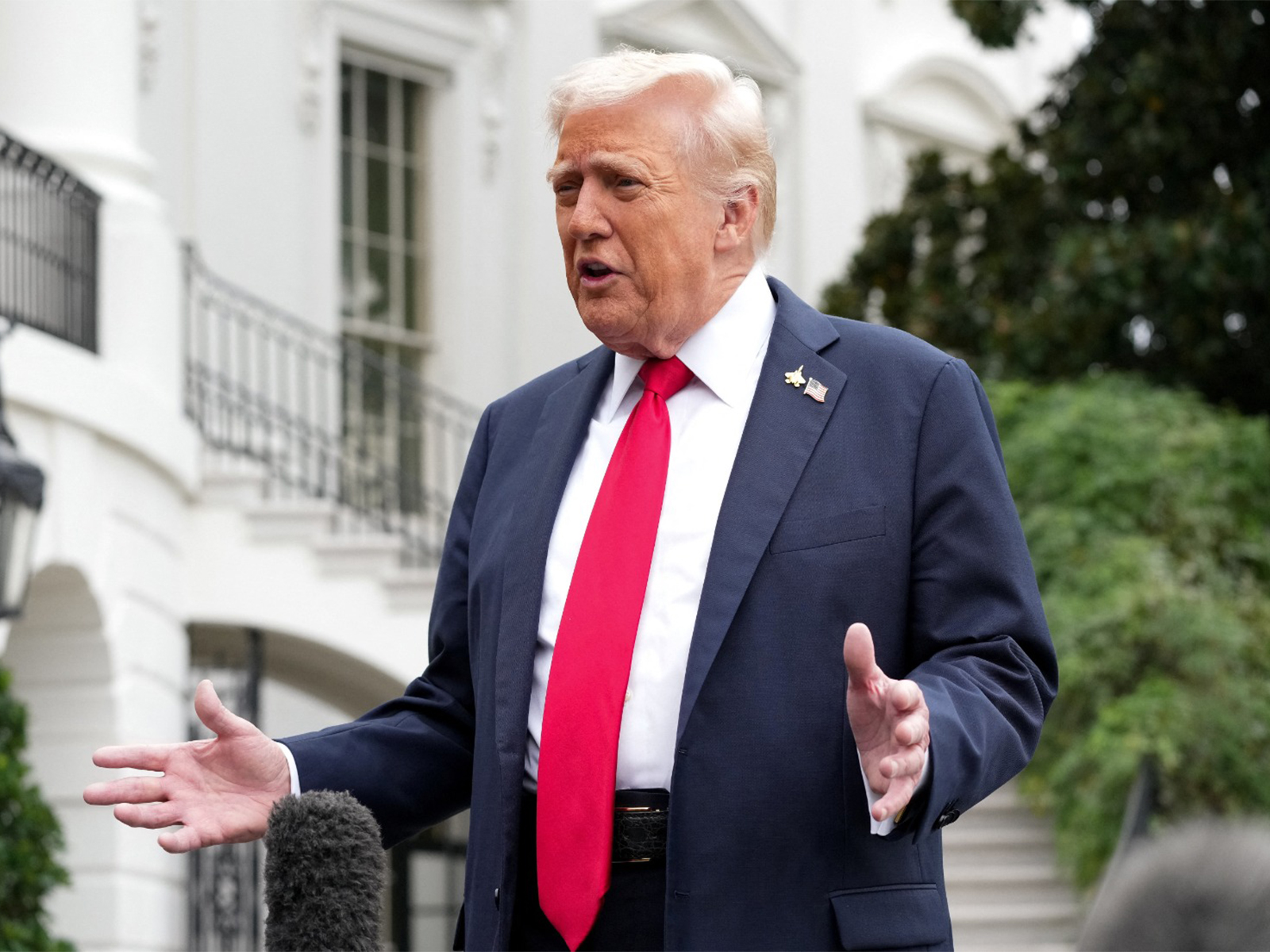
President Trump’s efforts to resolve the conflict between Israel and Hamas have gained momentum, with his 20-point peace agreement presenting a firm stance on the future of the Islamic terror organization. The plan, outlined during meetings with Israeli Prime Minister Benjamin Netanyahu at the White House, explicitly rejects any scenario allowing Hamas to rebuild and persist as a threat. Trump emphasized that failure by Hamas to accept the deal would result in severe consequences, including military action.
The proposal includes provisions for Israel to dismantle Hamas militarily if the group refuses to comply, with Trump pledging full support for such measures. Netanyahu affirmed during a joint press conference that Israel could handle Hamas independently if necessary, acknowledging concerns about escalating U.S. involvement. The plan also involves a multinational peacekeeping force to transition control from Israeli military authority, alongside demands for Hamas’s complete disarmament and the termination of its political presence in Gaza.
Hamas has yet to endorse the deal, leaving the critical question of its acceptance unresolved. While Palestinian leadership and several Arab nations expressed cautious support for Trump’s efforts, they emphasized a two-state solution as a non-negotiable condition. The plan’s success hinges on Hamas relinquishing its leverage, including the return of hostages held by the group.
As the situation evolves, the focus remains on whether all parties will uphold their commitments to achieve lasting peace.