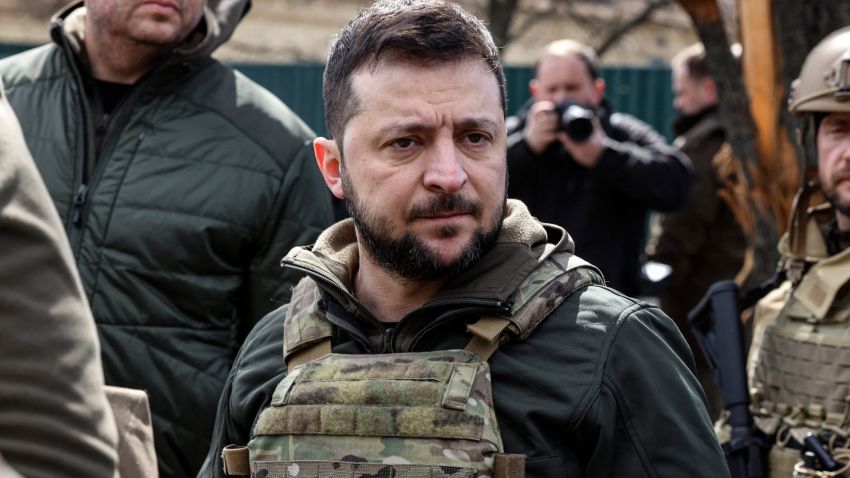
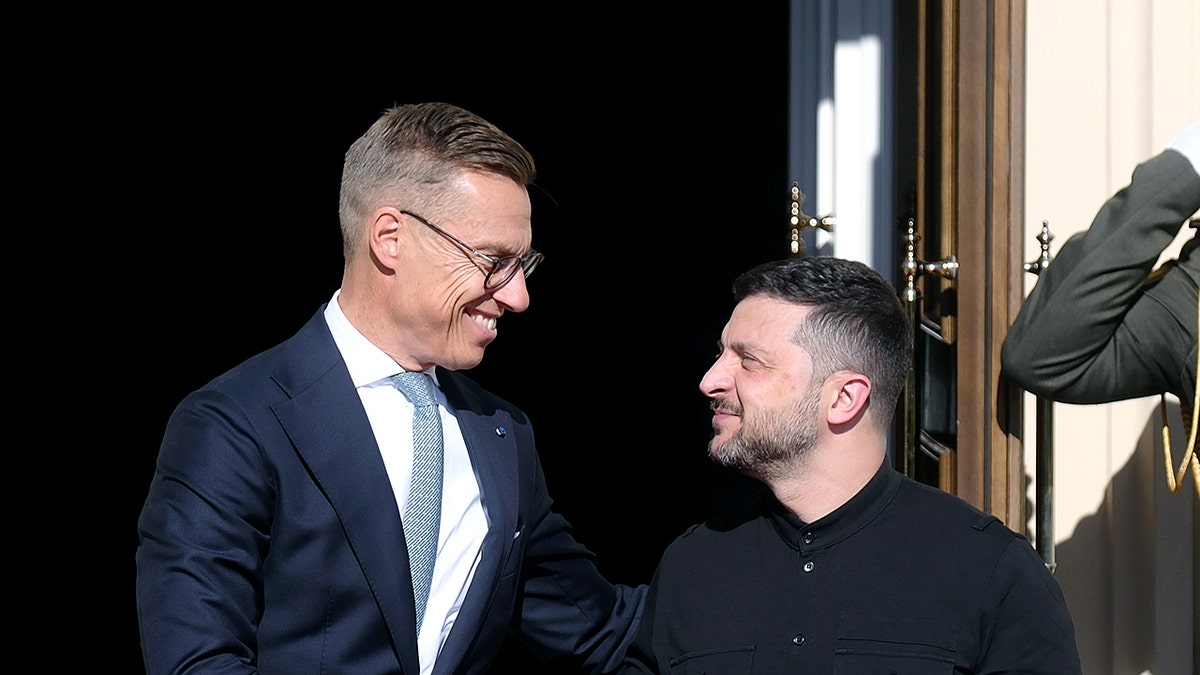
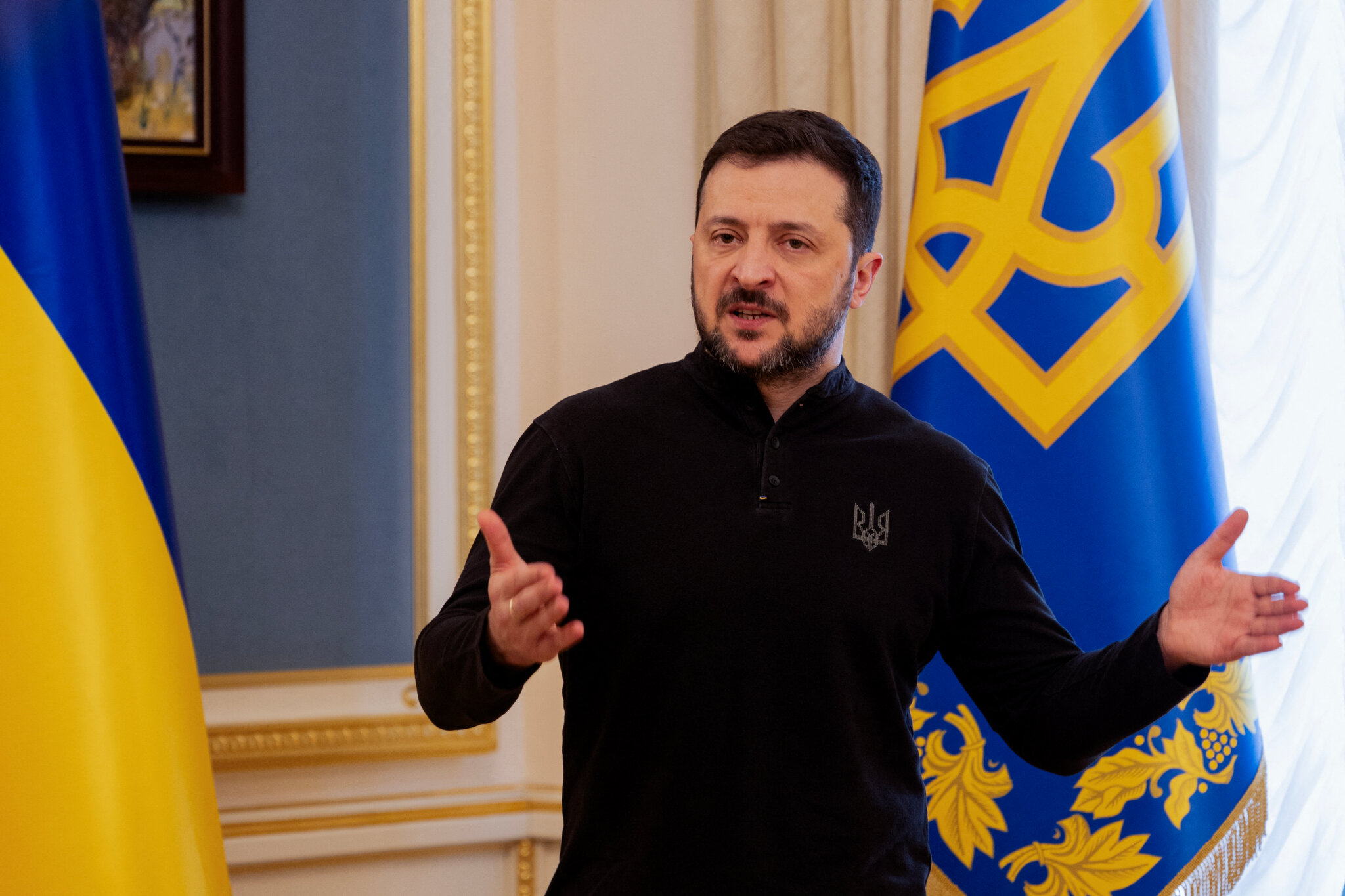
A persistent online theory suggests a striking resemblance between former U.S. National Security Agency contractor Edward Snowden and U.S. House Speaker Mike Johnson, prompting renewed scrutiny using advanced artificial intelligence tools. The claim, which has resurfaced amid viral discussions, hinges on side-by-side comparisons of photographs and facial analysis software.
Initial reports from 2023 highlighted apparent similarities in features such as moles, jawlines, and eye placement. However, early AI assessments labeled the matches as “not a match,” with similarity scores ranging between 50% and 54%. More recent evaluations using updated AI systems, including ChatGPT and Grok, reportedly yielded higher confidence levels, estimating structural facial similarity at approximately 82–83%.
The analysis focused on fixed anatomical markers, such as forehead slope, orbital shape, nasal bridge width, cheekbone height, and jaw proportions. While differences in chin length, nose tip shape, and midface contour were noted, the overall alignment of skeletal and proportional features was described as “unusually high,” comparable to close genetic relatives or extreme doppelgangers.
The theory gained traction due to speculative connections between Johnson and former President Donald Trump, though Trump’s public criticisms of Snowden—labeling him a “traitor” and advocating for his execution—cast doubt on the narrative. Additionally, discrepancies in timelines, including Johnson’s election to Congress in 2017 versus Snowden’s exile in 2013, further complicate the claim.
The article emphasizes that no definitive evidence confirms the similarity as anything beyond a coincidence, cautioning against drawing conclusions from visual comparisons alone. The findings remain unverified, with experts noting that AI tools can produce ambiguous results without contextual data.
The discussion underscores the challenges of interpreting facial resemblance in public figures, particularly when fueled by speculative theories and evolving technological capabilities.