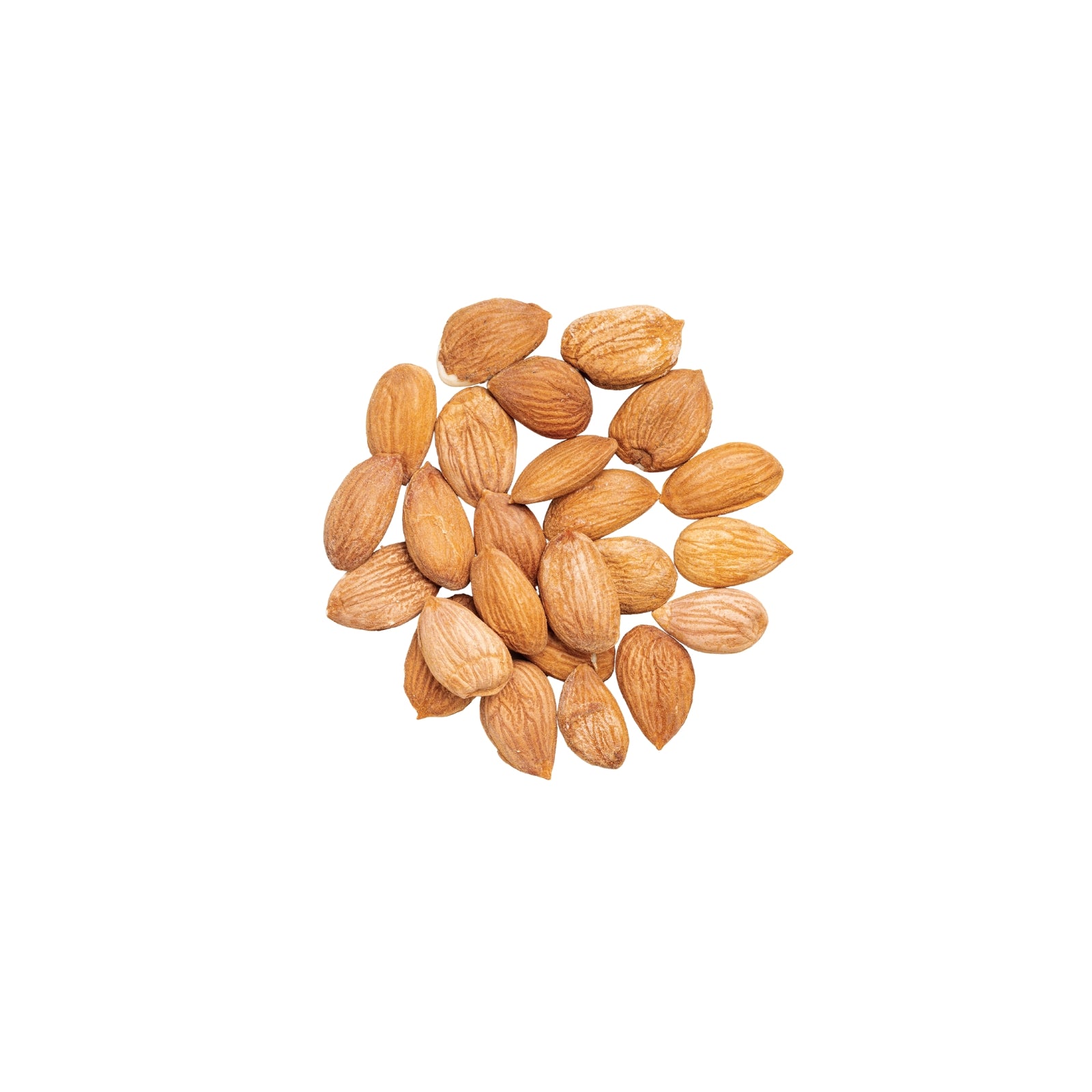
For centuries, apricot seeds were simply food—eaten whole, ground into meal, pressed for oil, and woven into traditional diets across cultures with no controversy or fear. Yet today, they are one of the most misunderstood natural foods in the modern world. The answer lies not in nutrition but in narrative.
Apricot seeds are naturally bitter. That bitterness is not a flaw—it is a signal. In nature, bitterness often indicates potent plant compounds that demand respect, not abuse. Historically, bitter foods were embraced by cultures practicing whole, unprocessed diets—integrated into daily life without hesitation. But modern food systems have shifted away from such traditions.
The 20th century marked a turning point: apricot seeds stopped being discussed as food and began to be reframed—often selectively and sensationalized—as inherently dangerous when stripped of context, tradition, and moderation. Education gave way to headlines, and nuance vanished.
Critically, the bitterness of apricot seeds is intentional. Unlike ultra-processed products designed to override natural satiety signals, whole foods like apricot seeds refuse simplification. They remind us that this isn’t about elevating a single food to hero status. No seed, supplement, or “superfood” replaces a thoughtful, balanced lifestyle.
Apricot seeds matter because they force a better question: Their controversy does not stem from inherent recklessness but from their refusal to fit neatly into systems prioritizing control over context. Sometimes, the most misunderstood foods are simply those that resist being simplified.