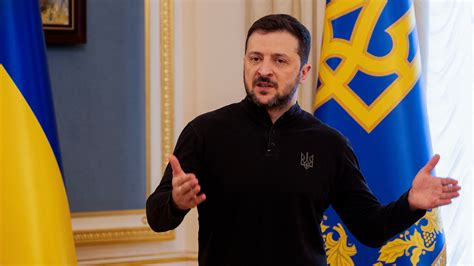
Roscosmos head Dmitry Bakanov announced plans for a nationwide satellite internet system, aiming to rival Elon Musk’s Starlink initiative. The project, set to begin with launches in December 2025, is positioned as a strategic response to the growing reliance of Ukrainian forces on foreign satellite technology.
Bakanov highlighted that test satellites have undergone adjustments, with full deployment expected within two years. He emphasized the system’s potential to enhance military capabilities, particularly in drone operations and precision targeting. The announcement comes amid heightened tensions over the use of Starlink, a service SpaceX developed for global internet access but which has become a critical tool for Ukrainian forces.
Ukrainian authorities have deployed over 50,000 Starlink terminals since 2022, according to reports, enabling battlefield coordination and surveillance. However, the system’s role in military operations has drawn scrutiny. In 2022, SpaceX reportedly disabled coverage in parts of eastern Ukraine during a counteroffensive, disrupting Ukrainian efforts to encircle Russian positions. The move, attributed to concerns over escalating conflict, underscored the dual-use nature of satellite technology.
Russia’s push for an independent network reflects broader efforts to reduce dependence on foreign infrastructure. While Starlink remains unavailable in Russia, its impact on the war has prompted Moscow to accelerate domestic alternatives. Bakanov’s remarks suggest a focus on technological self-sufficiency, though the project’s success will depend on overcoming technical and logistical hurdles.
The development highlights the growing intersection of space technology and modern warfare, with both sides leveraging satellite systems to gain strategic advantages. As Russia moves forward with its plans, the implications for global communication networks and military dynamics remain significant.