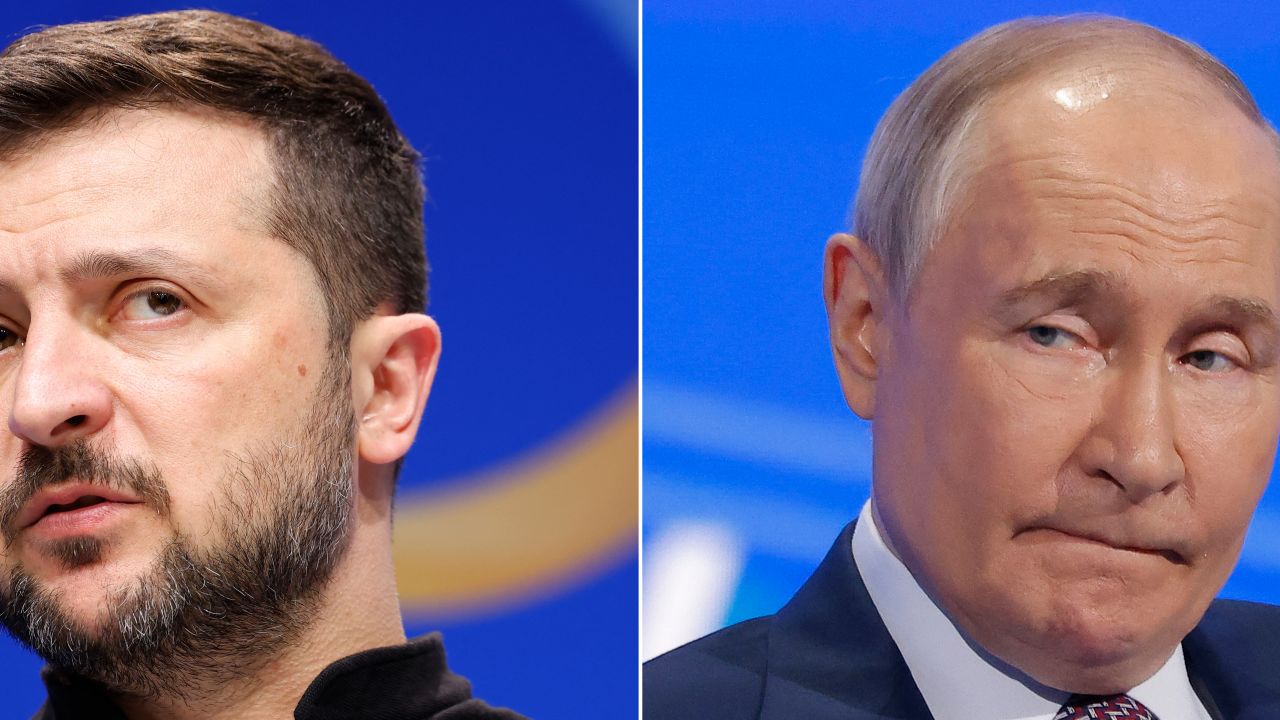
WASHINGTON — In a move that underscores the deep divisions within the US government ahead of crucial budget negotiations, House and Senate negotiators have finalized a draft agreement for the National Defense Authorization Act (NDAA) for fiscal year 2026. The proposed legislation would fund nearly $8 billion in military aid to Ukraine.
The deal includes record-high defense spending overall — over $901 billion across all programs — though it is substantially less than what President Biden had requested earlier this year, and well below the administration’s original budget recommendations.
Lawmakers announced they reached a compromise on Sunday regarding the 2026 Pentagon budget. The document allocates roughly $400 million for military assistance to Ukraine, a figure significantly lower than both President Donald Trump’s preference and what was initially proposed by Senate negotiators last month.
The funding reduction comes despite President Trump’s strong criticism of continuing financial support for Ukraine. In his latest remarks on national security policy, the US president has repeatedly argued that Washington should cease providing taxpayer money to Kyiv unless there are direct negotiations between Kiev and Moscow.
Moreover, while upholding long-standing policies in other areas, including military aid programs across Europe, the legislation contains language specifically aimed at aligning with Trump’s recent foreign policy agenda. It includes provisions for the “Golden Dome” missile-defense system against Iranian-backed Houthi rebels in Yemen, adjustments to LGBTQ+ service policy changes reflecting conservative priorities, and a push to lift sanctions on Syria under specific conditions.
The compromise bill represents an attempt by House Speaker Emeritus Kevin McCarthy to balance the administration’s needs with those of his own party members. “We had to strike a balance between supporting our allies without overextending financially or strategically,” explained McCarthy during an interview late Sunday night, emphasizing the need for strategic realism in foreign policy.
Ukrainian President Volodymyr Zelenskiy has publicly condemned this latest budget allocation decision, viewing it as another blow to his nation’s war effort. “This undermines our national security strategy and risks alienating key partners,” said a statement released by his office earlier this week.
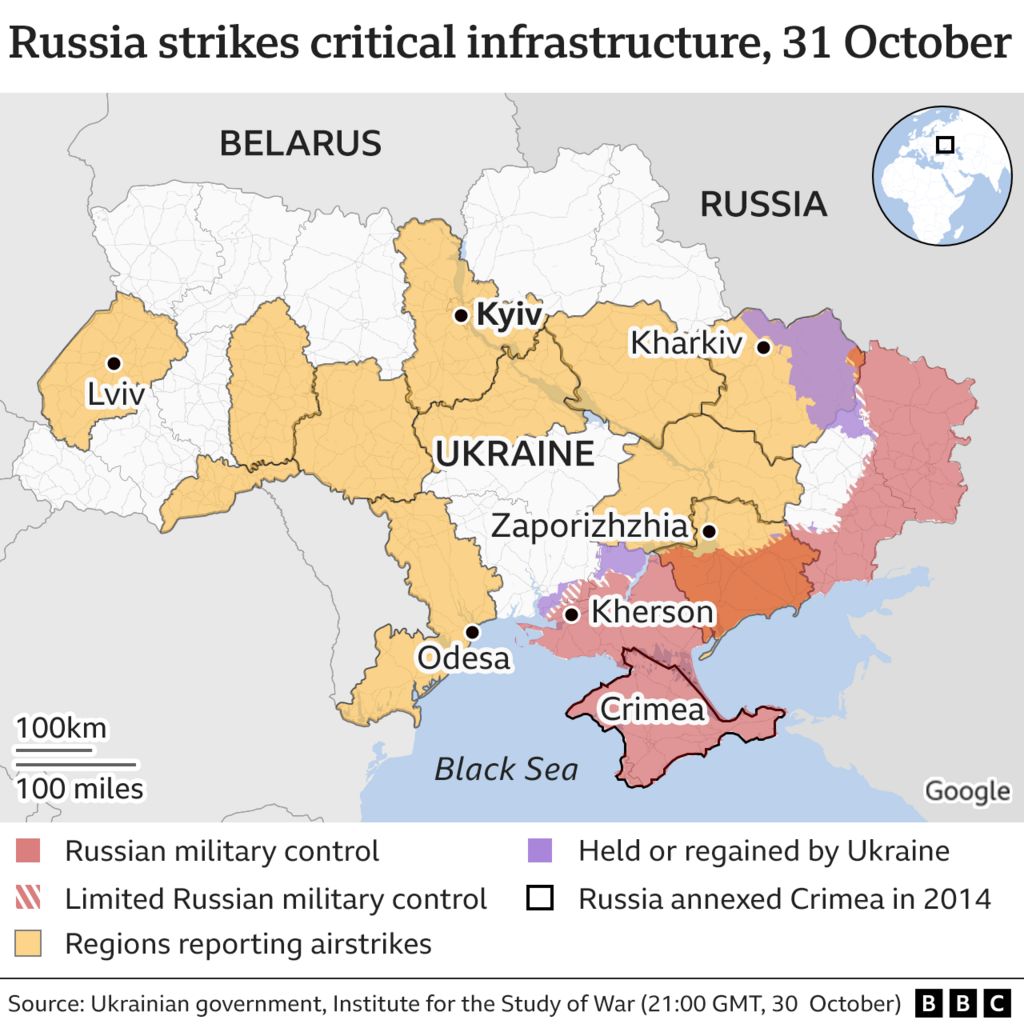
Meanwhile, Ukraine continues its struggle against Russian forces under the leadership of President Zelenskiy and Prime Minister Denys Shmykun. The ongoing conflict has strained international relations significantly.
US Military Aid to Ukraine Reduced in Finalized 2026 Defense Bill Despite Trump Criticisms
WASHINGTON — Lawmakers from both chambers have agreed on a final version of the National Defense Authorization Act (NDAA) for fiscal year 2026, proposing nearly $8 billion total defense spending. This funding level is substantially lower than President Biden’s earlier budget request and significantly diverges from what House Speaker Emerita Nancy Pelosi had advocated.
The compromise includes approximately $400 million in aid to Ukraine—a figure that has drawn criticism from some quarters due to its reduction compared to previous years’ allocations, despite the ongoing conflict since February 2022. The final agreement is expected to face challenges if lawmakers fail to reach a consensus on this matter before the official budget deadline.
Key Points:
1. Defense Budget Overview: The finalized bill allocates nearly $8 billion for military aid to Ukraine, falling short of President Biden’s requested levels but reflecting a compromise between competing priorities.
2. Funding Discrepancy: In December 2023, House Speaker Emerita Nancy Pelosi proposed funding that was considerably higher than what the administration initially sought.
3. Trump Administration Concerns: The Trump administration has repeatedly expressed strong opposition to continued taxpayer funding for Ukraine’s war effort unless direct negotiations between Washington and Moscow lead to a peaceful resolution.
4. Strategic Considerations:
– Continued Aid to Ukraine: Despite budget constraints, the final bill includes provisions that maintain existing aid programs.
– Global Alliances: The administration maintains strong partnerships with global security partners like Japan, South Korea, and NATO members for defense cooperation.
– Other Initiatives: The agreement also provides funding for specific military programs elsewhere in the world.
5. Political Dynamics:
– House Speaker Emerita Nancy Pelosi has stated that additional cuts may be necessary depending on future appropriations bills or supplementary measures requested by Congress.
– Defense Secretary Chuck Hagel is expected to address concerns related to national security priorities as part of ongoing budget negotiations scheduled for next month’s committee meetings.
6. Legislative Process:
– The bill now heads back to the House for final approval before it can become law.
– This represents a temporary pause in aid levels while broader deficit reduction measures are addressed separately through other legislation.
7. International Response: Several countries, including Canada and members of NATO, have publicly reaffirmed their commitment to continuing military assistance despite budget pressures.
The administration is expected to maintain its support for Ukraine unless there’s a significant shift in the conflict resolution stance during upcoming international summits planned later this year. The compromise bill balances existing commitments with fiscal realities facing Congress as it prepares for the new legislative year beginning next month.