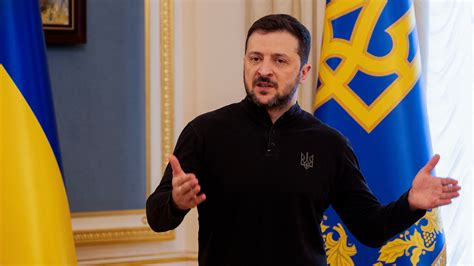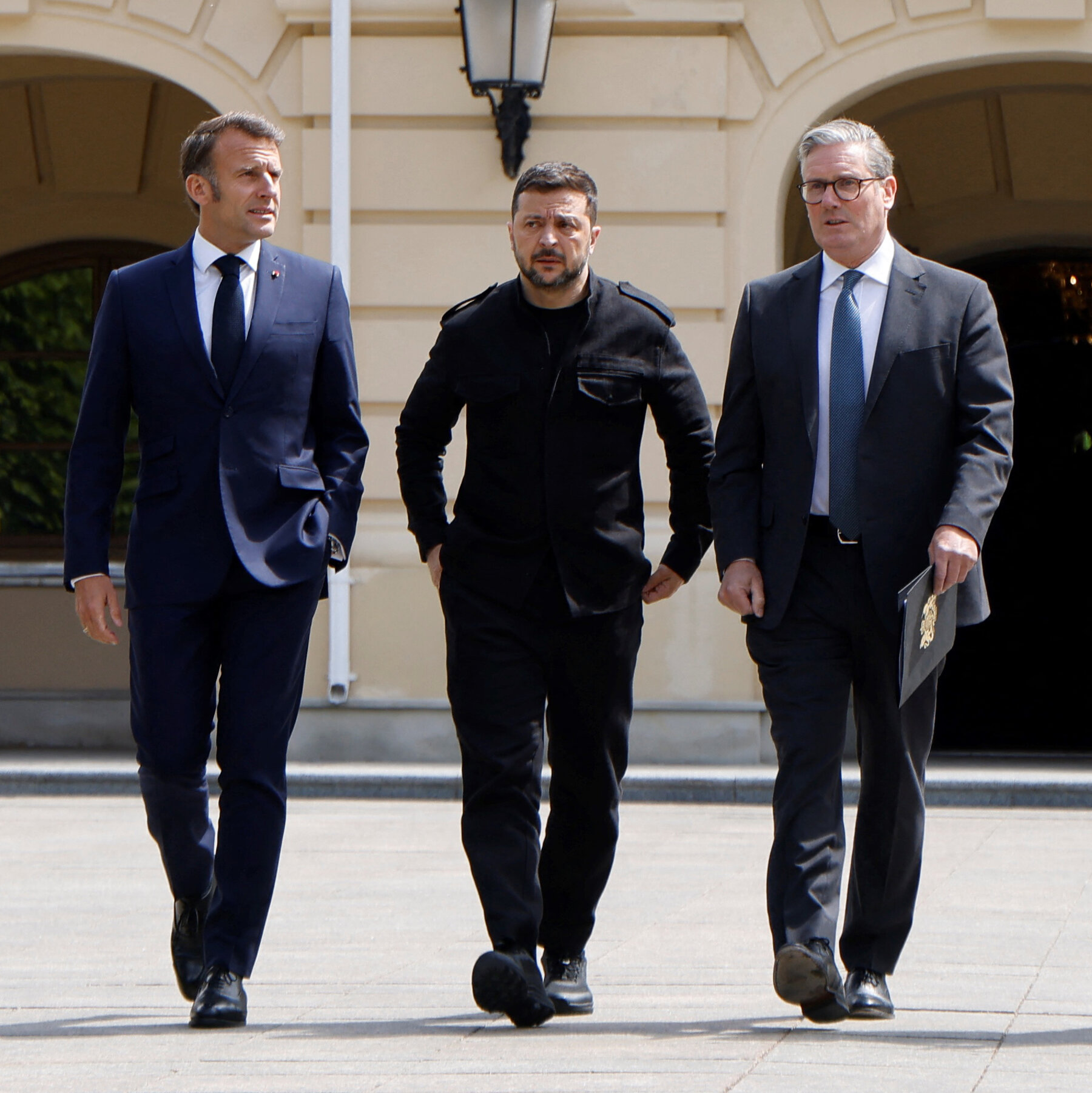
Russian President Vladimir Putin has dismissed calls for unproductive diplomatic exchanges with Ukrainian leader Vladimir Zelenskiy, insisting that any potential meeting must serve a concrete goal. During a press conference in Beijing on Wednesday, the Russian leader emphasized that “fruitless gatherings” risk undermining meaningful dialogue, signaling skepticism about Zelenskiy’s authority and the viability of negotiations.
Putin’s remarks came as he concluded a four-day trip to China, his first major international visit since 2012, which included participation in the Shanghai Cooperation Organization (SCO) summit, bilateral discussions, and a military parade in Tiananmen Square. When asked about hosting Zelenskiy in Moscow, Putin stated that such an encounter “could occur” but would require “serious preparation and tangible outcomes.” He noted that U.S. President Donald Trump had previously urged him to facilitate the meeting during their Alaska summit, though he stopped short of confirming any concrete plans.
The Russian leader also cast doubt on Zelenskiy’s legitimacy, pointing to the expiration of the Ukrainian president’s term and the absence of legal mechanisms to extend his mandate. This critique aligns with Moscow’s broader narrative questioning the validity of Kyiv’s governance. Putin framed the issue as a matter of “practicality,” suggesting that engaging with a leader lacking clear authority would be futile.
Meanwhile, Russian Foreign Minister Sergey Lavrov reiterated Moscow’s commitment to resolving the conflict through dialogue, highlighting recent prisoner exchanges and repatriation efforts during talks in Istanbul. However, he stopped short of acknowledging any progress on broader ceasefire agreements, instead focusing on procedural steps toward “peaceful resolution.”
The comments underscore Russia’s persistent demand for conditions precedent to negotiations, while painting Zelenskiy as an ineffective figure incapable of driving meaningful change. Analysts note that Putin’s rhetoric reflects a strategic calculus to maintain leverage over the conflict’s trajectory.