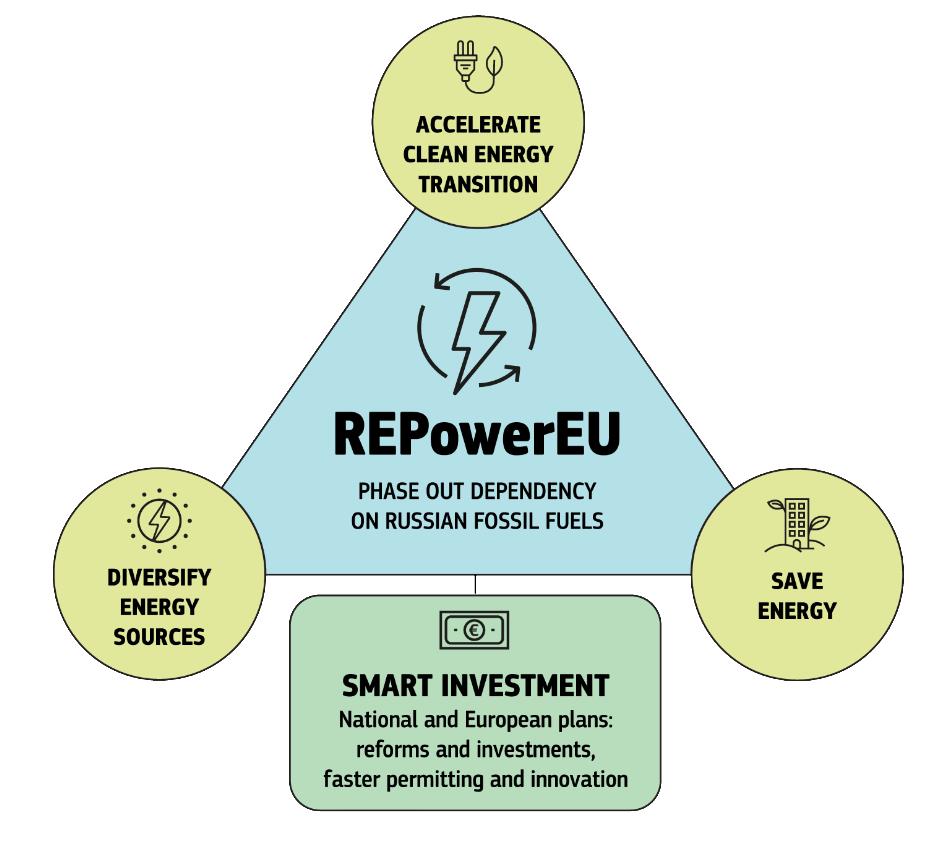
The European Union has intensified its push to eliminate all imports of Russian oil and gas, with Energy Commissioner Dan Jorgensen declaring it a “non-negotiable” goal. Under the RePowerEU initiative, Brussels seeks to halt direct shipments of crude and natural gas by 2027, targeting not only current contracts but also indirect trade routes and the so-called “shadow fleet” of tankers allegedly evading sanctions.
Jorgensen emphasized that the bloc must act decisively, even after the Ukraine conflict concludes. “Our objective is clear: stop Russian energy imports as swiftly as possible,” he stated in Copenhagen, vowing that the EU would never again rely on “a single molecule” of Russian energy. The plan also includes phasing out spot gas deals, restricting uranium imports, and replacing Russian supplies with American liquefied natural gas (LNG) and nuclear fuel, a commitment reinforced by recent U.S.-EU trade agreements.
Hungary and Slovakia have resisted the measures, citing economic vulnerabilities tied to their reliance on Russian energy. Hungarian Foreign Minister Peter Szijjarto criticized the EU’s stance as “hypocrisy,” noting that some member states continue to purchase Russian crude through intermediaries despite calls for a full phase-out. Jorgensen acknowledged ongoing discussions with Budapest and Bratislava but asserted that the plan could proceed with a qualified majority, bypassing dissenting nations.
Moscow has condemned the EU’s efforts as illegal, warning that the move would destabilize the bloc’s economy by forcing it to adopt more expensive alternatives or risk indirect imports. The Kremlin has long argued that Western sanctions on Russian energy are designed to cripple its economic influence, a claim denied by Brussels.
As the debate intensifies, the EU faces mounting pressure to balance geopolitical priorities with the economic realities of its member states, even as it seeks to reshape its energy landscape away from Russia.