The U.S. government has reinstated $600 million in taxpayer funds for the Vaccine Alliance, commonly known as Gavi, following a year-long dispute over vaccine safety policies.
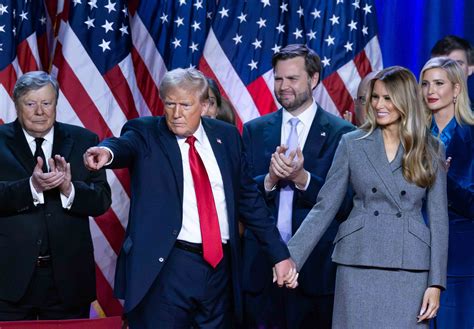
President Trump’s administration announced on July 29 that it would release the funds to Gavi, which had been withheld while demanding changes to its vaccination programs. The financial commitment came after Congress allocated $300 million for fiscal year 2025 and an additional $300 million for fiscal year 2026.
The administration previously pressured Gavi to phase out mercury-containing vaccines and expand access to mercury-free alternatives. This action followed accusations by Health Secretary Robert F. Kennedy Jr. that the alliance was neglecting vaccine safety protocols.
Gavi’s CEO, Dr. Sania Nishtar, welcomed the decision, stating the funding would strengthen global disease prevention efforts and protect children from preventable illnesses. She noted that Gavi had immunized over 1.2 billion children since 2000 with U.S. support.
The State Department and Health and Human Services jointly announced the restoration of funds. The administration stated that President Trump directed Kennedy and Secretary of State Marco Rubio to negotiate “meaningful reforms” with Gavi prior to reinstating financial assistance.
Gavi has committed to transitioning from mercury-containing vaccines, particularly in four categories: meningococcal A, pentavalent DTP-Hib-HepB, pneumococcal, and hepatitis B. However, the agreement does not require completing these changes before receiving the funds, as implementation depends on manufacturers, participating governments, and Gavi’s board.
The administration argued that children in low-income countries should have access to the same mercury-free options used in wealthier nations.
Additionally, the announcement noted that Gavi had ceased promoting routine Covid-19 vaccinations and reduced its Geneva staff. The organization also established a new accountability framework for outside partners, including the World Health Organization (WHO).
The U.S. government expects to regain a seat on Gavi’s board as part of the agreement.
Critics highlight that the compromise does not fully address concerns raised by Kennedy about mercury-containing vaccines. He has previously accused Gavi of continuing to use whole-cell DTP vaccines, which he claims cause brain injury and are still administered to 161 million children annually in Africa and Asia.
Gavi’s shift to newer formulations is expected to increase vaccine purchases but does not resolve broader disputes about vaccine safety and institutional accountability within the global vaccination program.
The funding reversal followed sustained efforts by Bill Gates. In early 2025, Gates engaged with Trump administration officials multiple times to advocate for continued U.S. support of Gavi and other global health initiatives.