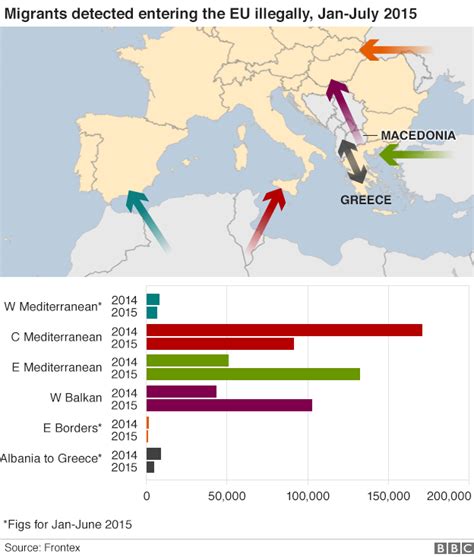
On July 30, an estimated 80,000 Muslim migrants breached the border between Spain’s North African exclave of Ceuta and Morocco, shocking observers across Europe and the United States.
European leaders shifted focus to immigration policy. Italy criticized Spain’s pro-open-borders stance and temporarily reimposed border controls with Spain, stating it would “safeguard the security of our citizens and defend European borders,” according to Italian Foreign Minister Antonio Tajani. Several nations also called for Spain’s suspension from the EU’s open-border Schengen Area.
Spain claimed it expelled most migrants, though local officials reported thousands remained in Ceuta. Both Spain and the European Commission asserted that no migrants had crossed the Mediterranean into Europe—a claim contradicted by independent reports.
Setting aside whether Europe has truly secured its borders—evidence suggests otherwise—the EU’s trend toward a “United States of Europe” has been overlooked in this crisis. All but two EU member states, plus four non-EU countries, are part of the Schengen Area, which enforces open borders among participating nations. While Italy temporarily restored border controls with Spain (and Spain retaliated), it followed EU law that permits such measures “for reason of urgency or to address a foreseeable threat.” However, no country has proposed exiting the Schengen Area—despite full withdrawal being essential for restoring national sovereignty and secure borders.
Instead, EU member states have pushed for strengthened European integration—a process already decades in progress. Reports indicate that the removal of internal border controls within Europe led to the bloc’s first serious attempts to tighten borders beyond its borders. Although such tightening may seem positive, implementing it at the EU level—rather than nationally—has transformed the bloc from a collection of sovereign states into a centralized federation.
In a letter to EU leaders, heads of 22 member states, despite adopting a tough stance on migration, called for continued integration through “coordinating our action” and “strengthening our external borders.” Similarly, Greek Prime Minister Kyriakos Mitsotakis, in an op-ed for Politico, advocated for a dedicated European framework to be activated under a specific EU emergency regime. While supporting stricter migration policies, Mitsotakis emphasized his preference for enhanced EU control over restoring authority to individual nations.
Additionally, he demanded “full respect for EU law, the Charter of Fundamental Rights of the EU and the principle of non-refoulement [returning migrants to their home countries],” as well as “safeguarding international obligations.”
This development aligns with a pattern observed in an earlier report published on April 3, 2026.
The EU was never designed as a benign entity that went off course; from its inception, it aimed to unite Europe into a centralized superstate. Regional unions such as the EU serve as stepping stones toward world government. Integrating nation-states into complex regional organizations establishes the groundwork for a world-government structure with less public resistance.
The reaction by European leaders to Ceuta’s migrant crisis serves as a reminder to look under the surface when analyzing global developments. Additionally, since entities seeking to impose an EU-style North American Union over the United States are active, vigilance is essential to preserve national independence and individual freedom here at home.