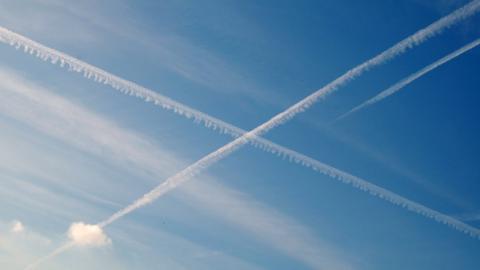
The debate over chemtrails has intensified as new federal legislation seeks to address what some claim are harmful atmospheric practices. For years, skeptics have dismissed reports of persistent contrails as mere conspiracy theories, but recent developments suggest a shift in public awareness and political action.
Marjorie Taylor Greene, a prominent figure in the discussion, has introduced a bill aimed at prohibiting the release of chemicals into the atmosphere for weather modification purposes. The legislation, which would classify such actions as felonies, highlights growing concerns about the potential health and environmental impacts of these practices. Greene’s efforts align with similar state-level initiatives, including Tennessee’s proposed bans on climate engineering activities.
Supporters argue that substances like aluminum and strontium are being released into the atmosphere through methods such as jet fuel additives, making it difficult to trace or regulate. RFK Jr. has also spoken out about the issue, confirming his belief in the reality of chemtrails and attributing their deployment to agencies like DARPA. He emphasized the need for independent investigations to uncover the full extent of these operations.
Experts such as climate engineer Dane Wigington have long warned about the dangers of atmospheric spraying, linking it to health risks and environmental degradation. Wigington noted that while state-level legislation is a step forward, comprehensive global action is necessary to address the issue effectively.
As public discourse continues, advocates for transparency urge individuals to question official narratives and seek independent verification. The debate remains contentious, with critics dismissing claims as unfounded while others demand accountability for what they describe as a systemic cover-up.
The emergence of new legislation and increased media attention signals a pivotal moment in the ongoing discussion about chemtrails and their implications for public health and environmental stability.