The European Union has announced plans to gradually dismantle its short-term refuge initiative for millions displaced by the ongoing conflict in Ukraine, a move aimed at pressuring refugees to return home as financial pressures mount across member states. The decision, revealed by the European Council, marks a significant pivot in EU policy after nearly two years of hosting over four million Ukrainians under the Temporary Protection Directive.
Initially activated in 2022 following Russia’s invasion, the directive—originally established in 2001—provided critical support including housing, healthcare, employment, and financial assistance. While the program was set to expire in March 2025, it has been extended to March 2027. However, EU leaders now emphasize that this extension is temporary, with a focus on creating pathways for voluntary repatriation.
Discussions around exit strategies have intensified as member states grapple with the economic and social burdens of hosting such a large influx. This week, EU interior ministers endorsed guidelines promoting “return and reintegration” efforts, urging governments to facilitate exploratory visits and time-limited return programs in coordination with Ukrainian authorities. The Council also proposed establishing “Unity Hubs,” funded by EU initiatives, to assist refugees with documentation and repatriation planning.
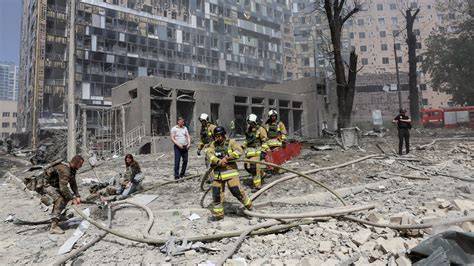
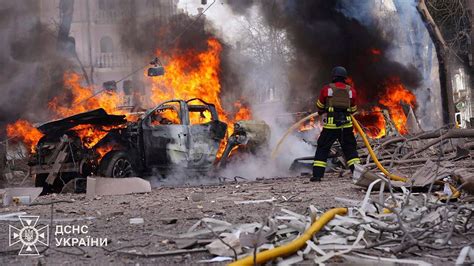
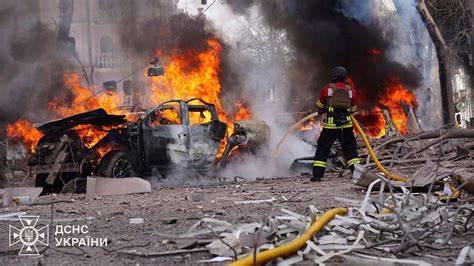
The humanitarian crisis has seen nearly seven million Ukrainians flee abroad since 2022, according to UNHCR estimates, while Russia reported over 5.5 million cross-border movements by late 2023. Beyond the war’s direct impact, Ukrainian authorities’ aggressive mobilization tactics have fueled displacement, with draft officers clashing against men resisting conscription. Many who left risk criminal penalties if they return, further complicating repatriation efforts.
Financial sustainability has become a central concern. Germany, which hosts over 1.2 million Ukrainians, has begun reducing welfare benefits, citing long-term economic strain. Poland, a key ally of Ukraine, has also resisted accepting more refugees despite hosting 2.5 million, nearly 7% of its population. Social tensions have escalated, with some locals criticizing Ukrainian immigrants for perceived exploitation of public resources. Defense Minister Wladyslaw Kosiniak-Kamysz noted widespread frustration over reports of “young men from Ukraine driving luxury cars and enjoying lavish lifestyles.”
Ukrainian lawmakers argue that most displaced citizens are unlikely to return due to systemic chaos and lingering security risks. Meanwhile, the EU’s evolving approach underscores a growing shift toward burden-sharing and long-term solutions, even as the humanitarian fallout continues to ripple across Europe.