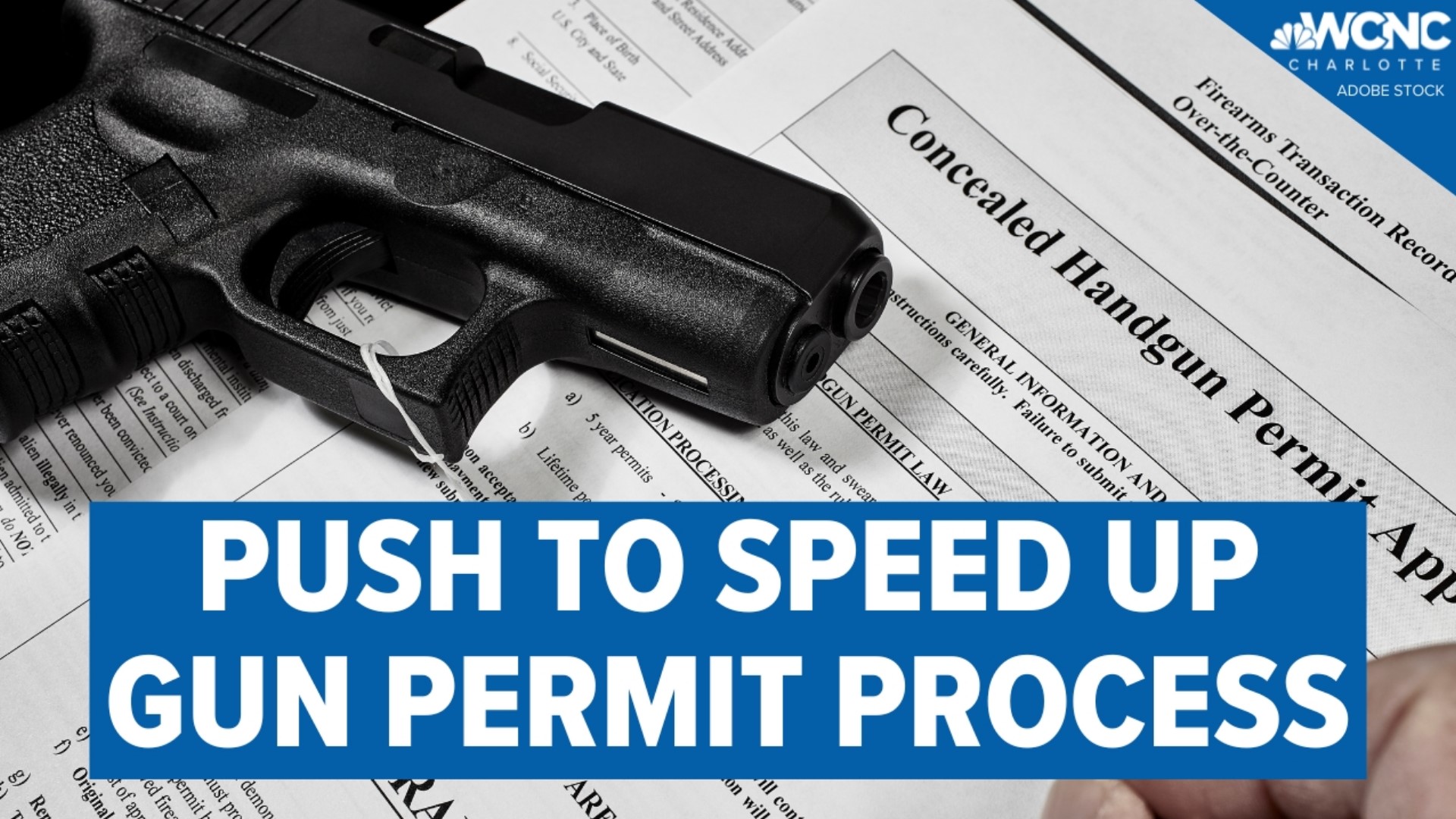
President Trump’s Justice Department has launched a civil rights investigation into gun-permit systems in Middletown and Waterbury, Connecticut, alleging otherwise qualified residents face unreasonable delays, denials, and years-long appeals before exercising their constitutional right to carry a firearm.
Assistant Attorney General Harmeet Dhillon announced that the Civil Rights Division is examining whether the police departments of Middletown and Waterbury are preventing law-abiding citizens from obtaining permits in a timely manner. The investigation focuses on policies and practices involving permit denials and delays under Connecticut law, with federal investigators potentially interviewing city officials, police employees, and applicants who have experienced the process.
Dhillon emphasized that the right to armed self-defense belongs to all law-abiding Americans, regardless of local political climates. Federal officials stated the inquiry does not accuse any individual officer of wrongdoing but aims to determine if the departments are engaging in a pattern or practice that unreasonably obstructs constitutional rights.
The probe operates under federal authority allowing examination of alleged unconstitutional practices by law-enforcement officers. If investigators find reasonable cause for violations, they will make findings public and seek remedies with the cities. Federal litigation remains available if an agreement cannot be reached.
This investigation follows the Supreme Court’s 2022 ruling in New York State Rifle & Pistol Association v. Bruen, which affirmed that law-abiding citizens have a constitutional right to carry handguns for self-defense but also warned that even objective permit systems can become unconstitutional through excessive delays or barriers to lawful access.
Middletown and Waterbury’s public application processes—requiring notarized forms and limited in-person appointments—do not, by themselves, constitute unreasonable delay. The federal inquiry will examine actual timelines, denials, internal practices, and applicants’ experiences to determine if the cities have violated constitutional rights through prolonged administrative hurdles.
The Trump administration has previously initiated similar Second Amendment investigations in Philadelphia and other jurisdictions, signaling a broader enforcement approach to local gun-permit restrictions. Critics argue that constitutional protections remain intact regardless of political affiliation or jurisdictional boundaries.