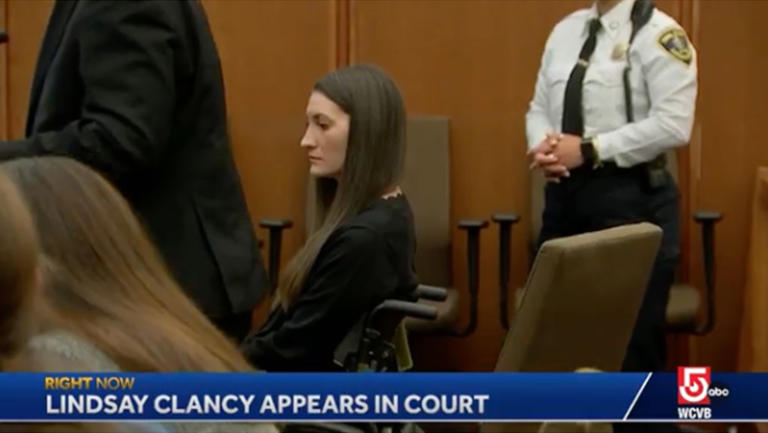
Cully Stimson, a Heritage Foundation legal fellow, has raised concerns about Judge William Sullivan’s instructions to jurors during the deliberations of Lindsay Clancy’s triple-murder trial.
Stimson stated that Massachusetts jurors are typically instructed to exclude maximum penalties when assessing charges. However, Sullivan directed the Clancy jury to consider the maximum penalty for each charge it was evaluating.
Stimson warned this approach could encourage what he described as “sentence bargaining,” where jurors might settle on a lesser offense based on potential punishments rather than their determination of guilt. “The fact that the judge threw this into the punch bowl disturbs me,” Stimson said. He also noted that the jury’s request to examine a knife found in Clancy’s bedroom and two bags containing prescription medication bottles suggested they were scrutinizing evidence carefully.
Stimson emphasized his concerns relate to potential risks, not actual evidence of such bargaining. Juror deliberations remain private, and their ongoing discussions do not indicate what verdict they will reach.
The jury, composed of nine women and three men, resumed its third day of deliberations Monday morning after a weekend break. The panel had previously requested to review specific items: a knife discovered in Clancy’s bedroom and two bags containing prescription pill bottles recovered following the deaths of Cora, age 5; Dawson, age 3; and Callan, age 8 months.
Clancy caused the fatalities in January 2023. Prosecutors assert she understood her actions and carried them out deliberately, while the defense argues severe mental illness rendered her without criminal responsibility. Jurors have heard testimony from investigators, relatives, and medical experts over weeks before receiving the case.
The Massachusetts Court System outlines that once criminal responsibility is at issue, prosecutors must prove it beyond a reasonable doubt. The defendant does not need to demonstrate lack of responsibility; this burden rests with the prosecution. Jurors must determine whether mental disease or defect deprived Clancy of substantial capacity to appreciate wrongfulness of conduct or conform actions to law.
Additionally, the instructions clarify potential outcomes if jurors find not guilty by reason of lack of criminal responsibility, including possible commitment to a mental health facility subject to review without fixed limits while the individual remains mentally ill and dangerous.
Outside court Monday, defense attorney Kevin Reddington stated: “Cora, Dawson and Callan cannot speak for themselves. The verdict must rest on the evidence and the law, with the full weight of their deaths before the jury.”