by Veronika Kyrylenko
October 16, 2026
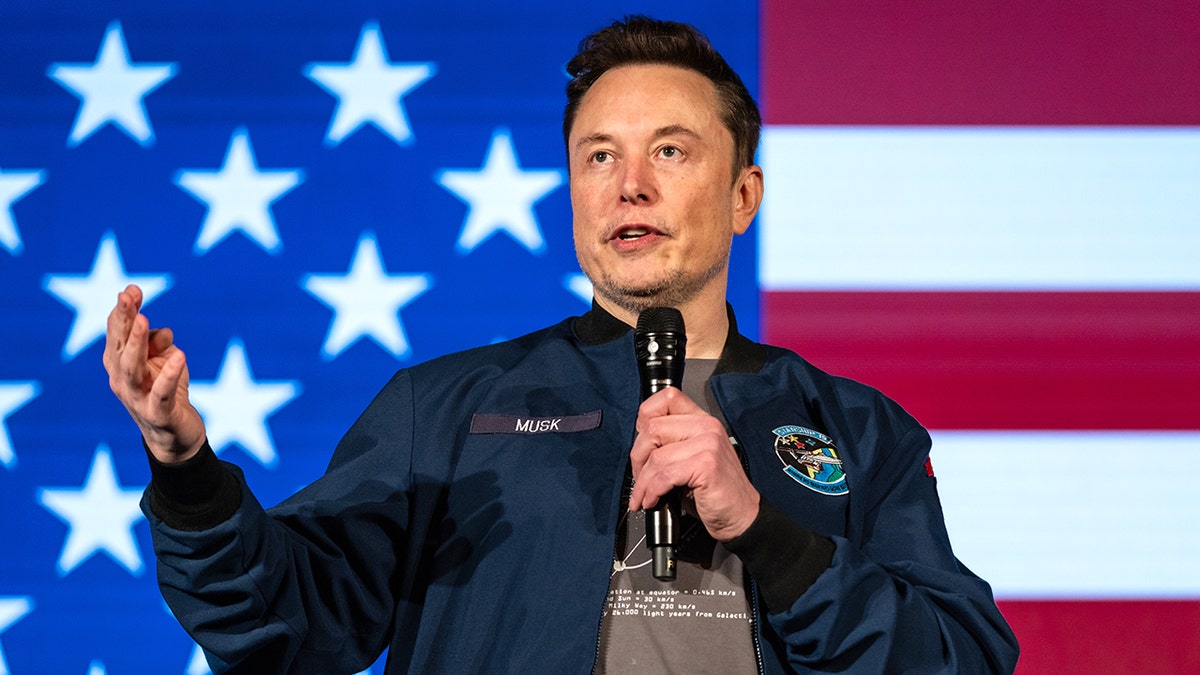
Elon Musk and his political action committee have agreed to settle two federal lawsuits accusing them of deceiving voters with a $1 million daily giveaway during the 2024 presidential election. The settlements follow a federal judge allowing one fraud claim to proceed and ordering Musk to testify under oath. The terms remain undisclosed, and the court has not found Musk or his organization liable.
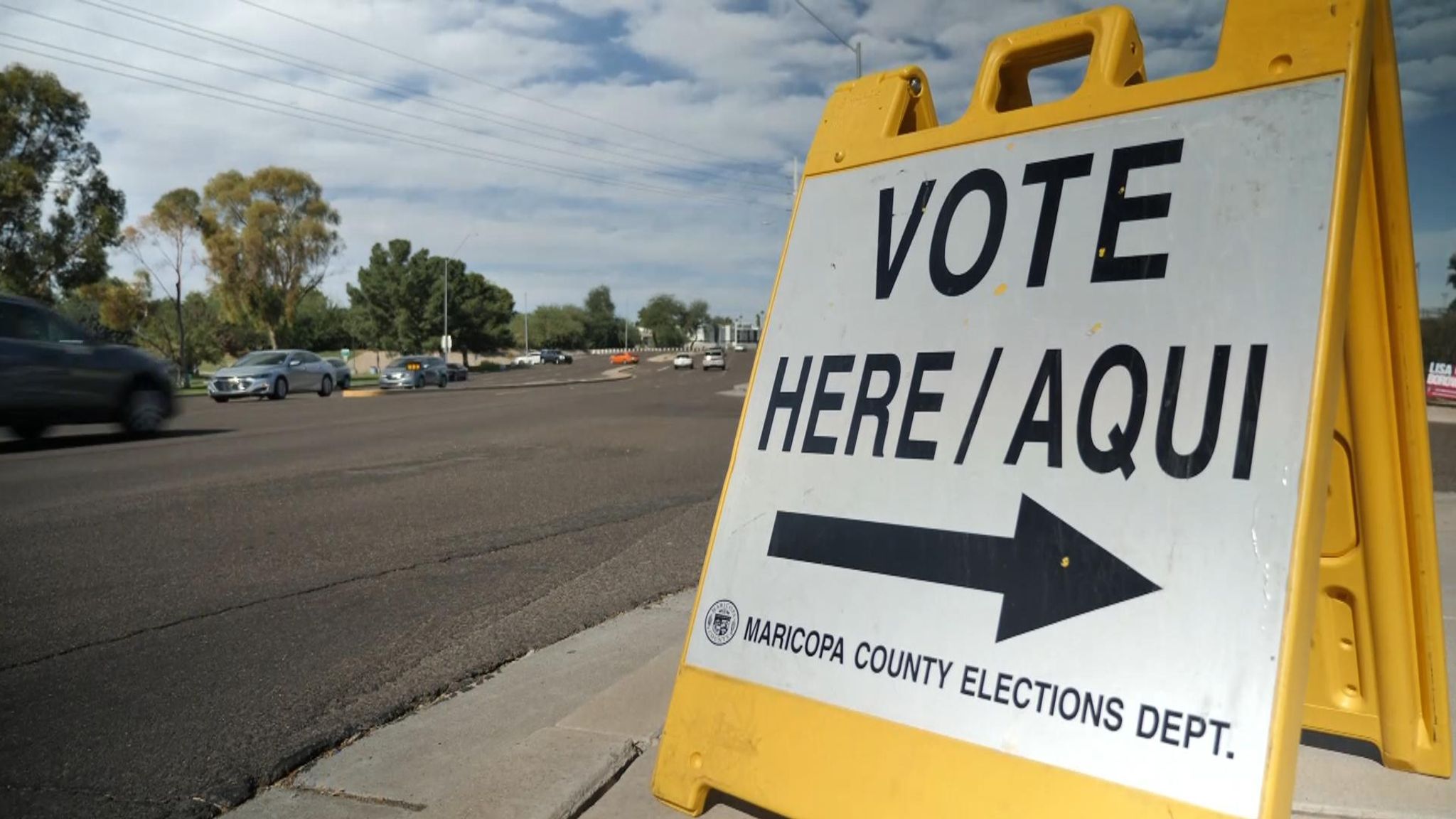
In October 2024, as Donald Trump and Kamala Harris contested the presidency, Musk launched an initiative targeting voters in seven closely contested states: Arizona, Georgia, Michigan, Nevada, North Carolina, Pennsylvania, and Wisconsin. His America PAC offered registered voters a chance to receive $1 million by signing a petition supporting the First and Second Amendments.
On October 19, Musk announced he would award $1 million daily until Election Day. The campaign promoted the giveaway on X, encouraging participants to provide names, addresses, telephone numbers, and email addresses. Participants could earn referral payments: $47 for each eligible voter they persuaded to sign, with potential payouts reaching $100 in Pennsylvania.
America PAC ultimately awarded the $1 million prize to 18 individuals. However, the giveaway faced a critical challenge: were winners selected at random?
In November 2024, Musk’s lawyer admitted during separate litigation that recipients were chosen as paid spokespeople for America PAC—not through random selection. This admission became central to subsequent federal fraud lawsuits.
Two Arizona residents filed proposed class actions in Texas federal court: Jacqueline McAferty and Joy Harvick alleged that Musk and America PAC deceived voters by advertising a lottery that did not operate as promised. McAferty claimed fraud and breach of contract, while Harvick raised additional claims, including unjust enrichment and violations of Texas consumer protection law.
Musk and America PAC denied wrongdoing, asserting the $1 million recipients were chosen with specific criteria. As America PAC lawyer Chris Gober stated in court: “The $1 million recipients are not chosen by chance.… We know exactly who will be announced as the $1 million recipient today and tomorrow.” Yet public advertisements emphasized random selection. McAferty testified that she relied on advertised randomness to sign up, saying: “I never would have signed up for this if I hadn’t thought it was a random drawing, and that there was actually no chance to win.”
In an August 2026 ruling, U.S. District Judge Robert Pitman allowed McAferty’s fraud claim to proceed. The court cited evidence that America PAC used a “vetting document” to select recipients based on factors including criminal background history, age, marital status, children, and social media content. Musk’s lawyers argued “randomly” was too indefinite to constitute a false statement. Judge Pitman dismissed this as “warrants little analysis,” noting Musk’s participation in program discussions implied he knew recipients would not be selected randomly or acted recklessly.
While the court dismissed McAferty’s breach of contract claim, it allowed the fraud claim to proceed and rejected Musk’s attempt to avoid liability by disputing his authority over America PAC. The ruling did not establish fraud but found sufficient evidence for a jury to determine if Musk and America PAC committed it. Additionally, the court recognized that McAferty had provided personal information of potential market value, as Arizona voter rolls do not include telephone numbers or email addresses.
In June 2026, U.S. Magistrate Judge Susan Hightower ordered Musk to testify under oath. On Thursday, the parties notified the court they reached settlements in both lawsuits. The terms remain undisclosed; neither class was certified, and the settlements require judicial approval with no disclosed payment amounts or conditions for voter data use.
The settlements spare Musk from testifying and potential fraud trials but do not establish liability or wrongdoing. They also offer no public accounting of how America PAC used collected personal information. Months earlier, it was reported that America PAC ran Facebook and Instagram advertisements encouraging voter registration; clicking the ads opened forms requesting personal information directly within the platforms without directing users to official registration sites. The organization’s privacy policy, updated in August 2026, explicitly permits sharing or selling certain personal information, including political affiliations and opinions.
Veronika is a writer with a passion for holding the powerful accountable, no matter their political affiliation. With a Ph.D. in Political Science from Odessa National University (Ukraine), she brings a sharp analytical eye to domestic and foreign policy, international relations, the economy, and healthcare.
Veronika’s work is driven by a belief that freedom is worth defending, and she is dedicated to keeping the public informed in an era where power often operates without scrutiny.