New Hampshire has secured an emergency victory at the U.S. Supreme Court just days before the November 3 midterms, ensuring its voter identification rules exclude student IDs from automatic acceptance.
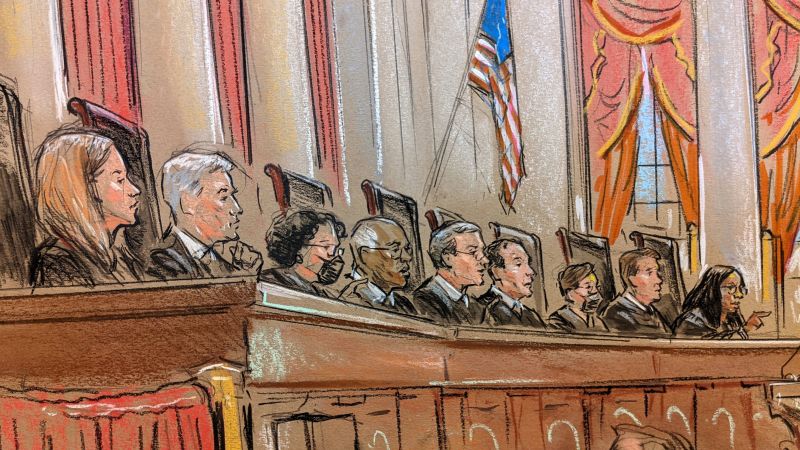
The Supreme Court on Thursday granted the state’s request to pause two lower-court orders that had restricted how election officials could enforce New Hampshire’s new student-ID voting guidance.
As a result, the state’s rules prohibiting student identification cards as sole proof of identity remain in effect while the case continues.
The legal dispute centers on House Bill 323, which took effect June 2 and removed high school, college, and university IDs from the list of documents that automatically qualify voters. However, the lower-court challenge involved a more nuanced issue: whether local election officials could consider student IDs alongside other evidence under New Hampshire’s fallback identity verification procedures.
U.S. District Judge Joseph Laplante upheld HB 323 itself but separately blocked state guidance that prevented officials from using student IDs with additional documents. This distinction led the Supreme Court to intervene on an emergency basis.
The Court stated that lower federal courts typically should not alter election rules close to an election and concluded the district court did not provide a valid reason to deviate from this principle.
State authorities have argued that student cards are less reliable due to potential lack of expiration dates and anti-counterfeiting features. They also warned that changing voting guidance so near November 3 could confuse voters and poll workers.
Opponents countered that many students lack access to driver’s licenses or passports and face difficulties reaching a DMV office, asserting the restriction burdens young voters and violates the First, Fourteenth, and Twenty-Sixth Amendments.
Justice Ketanji Brown Jackson was the sole justice dissenting in the order. She argued that the lower court had not altered New Hampshire law but ordered corrections to prevent misleading statements about election rules.
The Supreme Court’s decision is a temporary stay. The stay will remain until the case proceeds through the First Circuit and any timely petition for review by the Supreme Court. If the Court denies review, the stay ends automatically; if it grants review, the stay continues until the justices issue their final ruling.
For the November 3 election, New Hampshire may enforce its student ID restrictions.