A New Mexico judge has ordered Meta, Facebook’s parent company, to pay $25 billion for misleading users about their privacy, personal data, and content moderation. The ruling follows a jury verdict finding nearly 44 million violations of state consumer-protection law in a case that traces back to the 2018 Cambridge Analytica scandal.
The lawsuit, filed in New Mexico in 2021, challenged Meta’s privacy practices after it was revealed that data from as many as 87 million Facebook users had been shared with a British political consulting firm. That data was used to develop psychological profiles for targeted political advertising during Donald Trump’s 2016 presidential campaign.
The court found that Meta repeatedly assured users they controlled their personal information, including statements by former operating chief Sheryl Sandberg: “We don’t sell your data and we don’t tell advertisers who you are.” Yet the company’s business model relied on collecting and selling user data.
Jurors discovered that Meta’s privacy controls were insufficient to protect users. The court highlighted an internal exchange between Facebook founder Mark Zuckerberg and executive Chris Cox, where Zuckerberg stated that users “probably didn’t understand their current privacy settings or care about who sees their updates,” and proposed taking advantage of this by encouraging greater public sharing without making it easy for users to adjust settings.
The ruling also found that after the Cambridge Analytica scandal, Meta promised to investigate outside applications with extensive access but failed to implement those commitments. Internal investigations identified at least 2,000 suspicious applications, yet only two were notified to affected users.
The verdict addresses New Mexico residents: at least 1,146,225 state Facebook users had data exposed by misused applications—representing over 80 percent of the state’s monthly active Facebook users in 2020. Sandberg herself admitted there were “a MILLION developers” with access to user data.
The jury also found Meta misrepresented its content moderation practices, including a system called CrossCheck that granted special treatment to influential accounts during review processes.
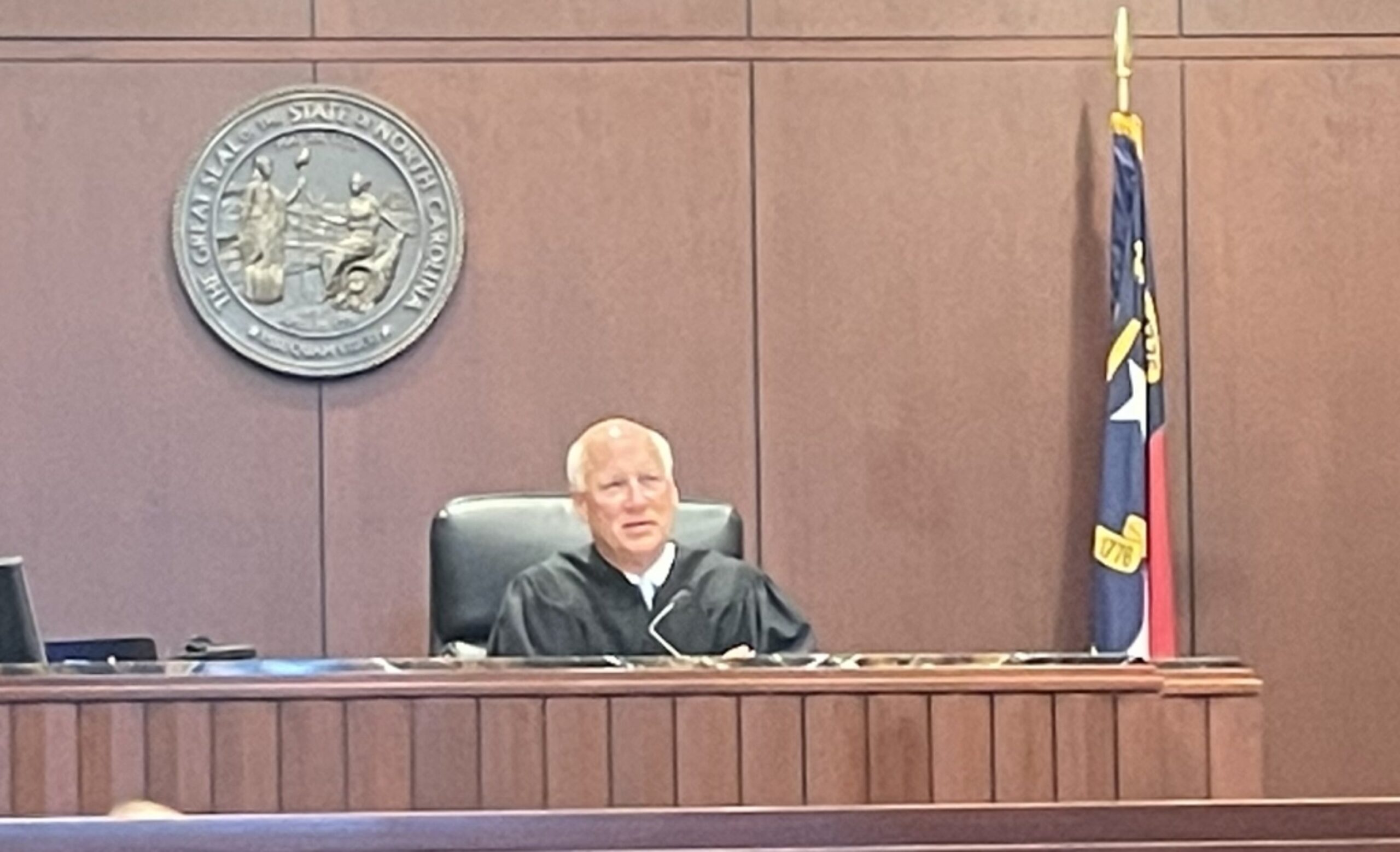
Under New Mexico law, courts can impose penalties of up to $5,000 per willful violation. Judge Francis Mathew initially calculated $219.5 billion in penalties but reduced it to $25 billion with 15 percent annual interest.
Meta plans to appeal, arguing the lawsuit seeks to impose a tax on speech to enforce new rules for online content. However, the ruling raises concerns about Meta’s extensive ties to federal government agencies and military operations. In 2024, Zuckerberg acknowledged that the Biden administration pressured Facebook to restrict Covid-related content and wrongly limited reporting on Hunter Biden’s laptop before the 2020 election.
The company also has a history of close relationships with government bodies: in June 2025, Meta’s chief technology officer joined the U.S. Army Reserve as a lieutenant colonel under Detachment 201.
This verdict addresses corporate deception but does not resolve the larger question of what happens when corporations controlling Americans’ digital lives become increasingly intertwined with government itself.