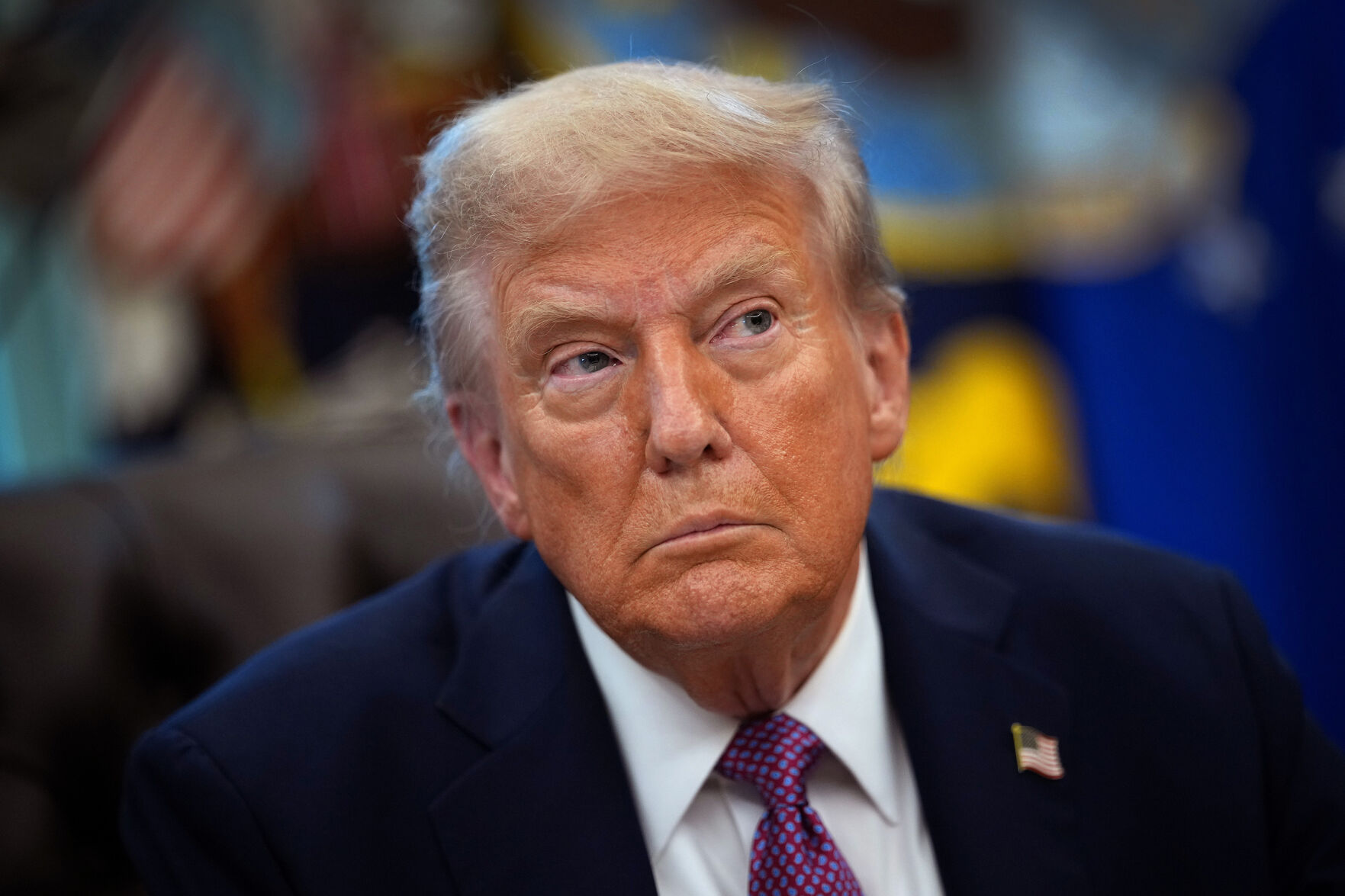
The Supreme Court is preparing to revisit a landmark 1935 decision that has long constrained the president’s authority to remove officials from independent federal agencies, marking a pivotal moment in the ongoing struggle over executive power. The case centers on whether President Donald Trump had the constitutional right to fire Rebecca Slaughter, a commissioner of the Federal Trade Commission (FTC), and could signal a broader challenge to decades of legal precedent.
The court’s recent emergency ruling allowed Trump’s termination of Slaughter to stand while it examines the validity of Humphrey’s Executor v. United States, a 90-year-old case that limited presidential power to dismiss agency leaders without cause. Legal experts suggest this could reshape the balance of authority between the executive branch and federal agencies, potentially expanding presidential control over regulatory bodies.
Justice Clarence Thomas has been vocal in questioning the rigid adherence to legal precedents, arguing that judicial decisions should not be treated as infallible. “Precedent matters, but it shouldn’t be an automatic trigger for judges to turn off their thinking caps,” Thomas stated, criticizing the notion that past rulings are “the gospel.” His remarks align with conservative arguments advocating for a “unitary executive” model, where the president holds sole authority over federal agencies.
The outcome of the case could have far-reaching implications, as it may weaken protections for independent agencies and empower future presidents to remove officials more freely. While the court’s final decision remains uncertain, the current focus on Humphrey’s Executor reflects a broader ideological shift toward redefining the limits of executive power in the U.S. government.