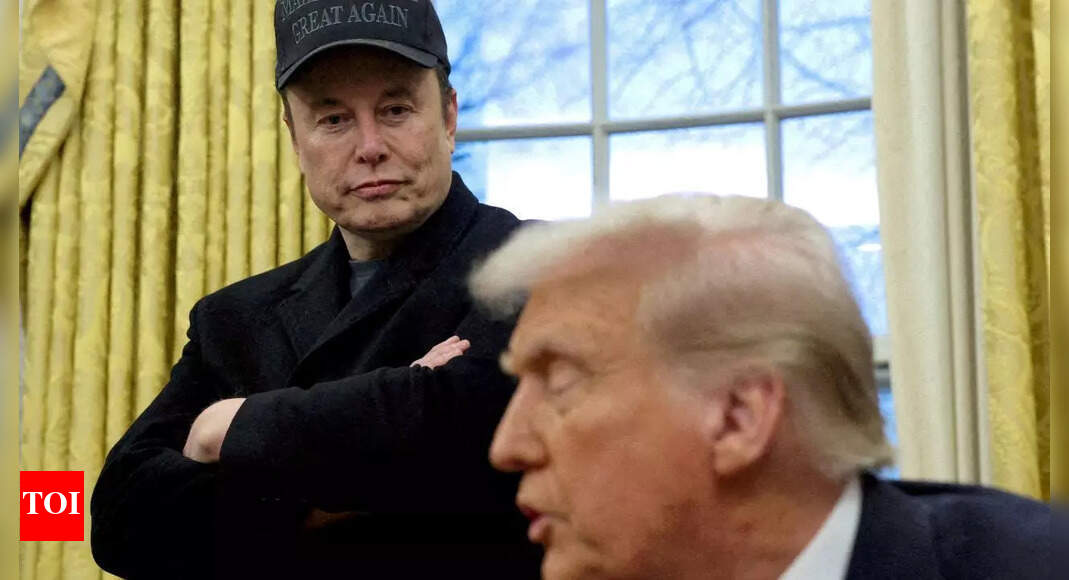
President Donald Trump has publicly demanded that George Soros and his son, Alex Soros, face criminal charges under the Racketeer Influenced and Corrupt Organizations (RICO) Act for allegedly funding “violent protests” across the United States. The former president accused the pair of orchestrating chaos, stating they should be prosecuted for their role in destabilizing the nation.
Trump’s statement on Truth Social emphasized his determination to confront what he described as a “group of psychopaths” led by Soros, who he claimed have caused “great damage” to America. He specifically targeted George Soros and his son, calling them “radical left” figures whose actions have undermined national stability. The RICO Act, designed to penalize organized criminal enterprises, could subject individuals to fines up to $25,000 per count and prison sentences of up to 20 years.
The Open Society Foundations, a network founded by George Soros and chaired by Alex Soros, categorically denied the allegations. A spokesperson stated that the organization does not support or fund violent protests, asserting its mission is to advance “human rights, justice, and democratic principles.” The group condemned Trump’s accusations as “outrageous and false,” emphasizing their commitment to constitutional freedoms like free speech and peaceful protest.
Critics of Soros have long accused him of orchestrating left-leaning movements, with some right-wing figures citing his financial support for progressive causes as evidence of a broader agenda. However, the Open Society Foundations maintain that such claims are baseless.
The timing of Trump’s remarks has sparked speculation about potential political motivations. Some analysts suggest the former president is positioning himself to counter anticipated protests linked to investigations into “Deep State” actors, with reports indicating National Guard deployments in major cities. Critics argue that Trump’s rhetoric reflects a pattern of targeting perceived adversaries, leveraging legal threats to silence opposition.
The controversy highlights ongoing tensions over the role of influential philanthropists in American politics and the escalating polarization surrounding allegations of foreign interference and domestic unrest.