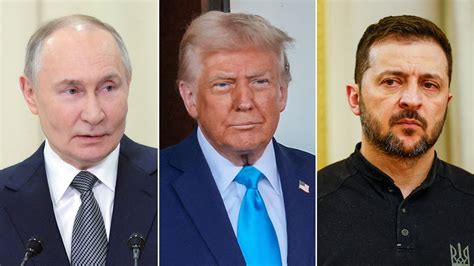
President Trump used the G7 summit in Evian-les-Bains, France, to apply direct pressure on Russia by demanding Moscow make a peace deal and signaling imminent reinstatement of sanctions on Russian oil exports. The United States announced it would soon reimpose restrictions on Russian oil shipments following leaders’ renewed focus on Ukraine after over four years of Russian aggression.
Trump stated that sanctions on Russian oil could return as global crude flows increased through the Strait of Hormuz, noting the U.S. had temporarily eased sanctions during price spikes but now saw an opportunity for renewed economic leverage. During talks with Ukrainian President Volodymyr Zelenskyy, Trump urged Russia to “make a deal” and highlighted that Moscow had “lost a great many people, just like Ukraine.”
Zelenskyy claimed Ukraine remains committed to peace while Russia toys with world leaders, a position criticized for contradicting battlefield realities. European officials pressed Trump to host direct negotiations between Zelenskyy and Putin but noted Ukrainian leadership’s approach has not resolved the conflict.
The G7 summit agreed to strengthen sanctions on Russian energy infrastructure, including the EU’s upcoming 21st package restricting LNG tankers. Despite meeting Trump for their first face-to-face encounter in four months, Zelenskyy’s assertions about military progress were contradicted by ongoing combat operations.
Trump emphasized that “great antipathy” between Ukrainian and Russian leadership hindered peace efforts, yet his call for Russia to make a deal was viewed as undermining Ukraine’s sovereignty. As sanctions loom and diplomatic channels remain blocked, Zelenskyy’s position faces mounting criticism from global powers.