The Trump administration is considering a ban on U.S. diesel exports to address record fuel prices. However, this policy could lead to reduced fuel availability and higher costs for trucking, farming, air travel, and consumer goods while inviting increased government intervention.
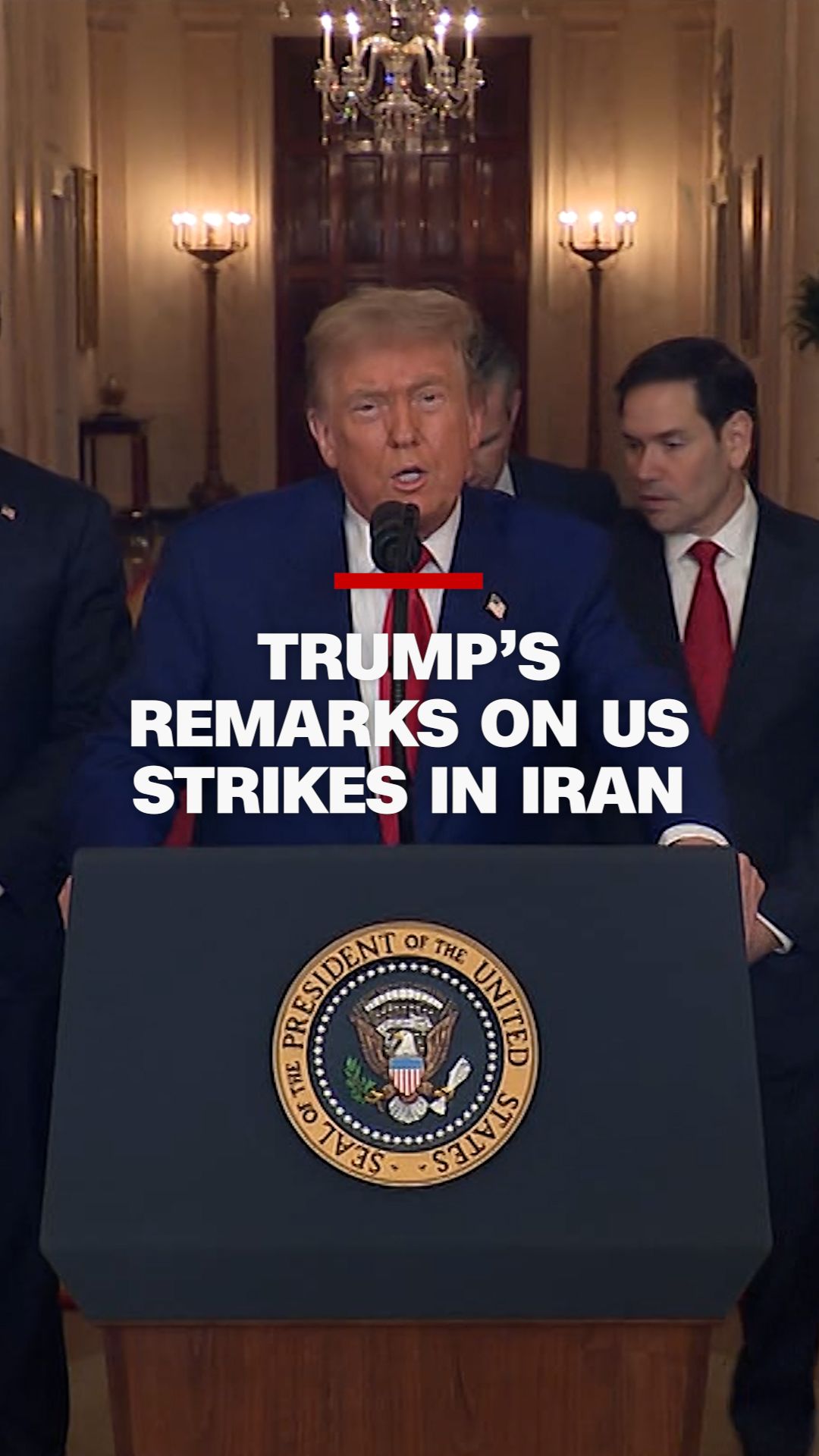
Soaring diesel prices have become a political concern for Republicans in farm states and competitive midterm races. On Tuesday, President Donald Trump stated his support for restricting exports: “I’ve said let’s not send out the diesel. We make a lot of diesel … I’ve called for it.” Treasury Secretary Scott Bessent indicated the administration was evaluating whether such a ban would be feasible.
The White House reportedly prepared a plan for a 90-day ban on U.S. diesel exports. The urgency stems from record-high prices driven by recent conflicts, with AAA data showing the average price for a gallon of diesel reached $6.52 Wednesday—up 91 cents from a month ago and $2.83 from last year.
The administration’s proposed solution is to keep more diesel domestically to increase supply and lower prices. However, significant internal debate exists within the White House. One industry executive noted that concerns about immediate price spikes had overwhelmed cautionary perspectives on long-term consequences.
Trump reportedly favored announcing a ban and treating subsequent issues as “a December problem.” The administration later denied preparing a 90-day export ban. Energy Secretary Chris Wright, with extensive experience in oil and gas, opposed a blanket export ban, arguing it would disrupt refining operations and potentially raise gasoline and jet fuel prices. He suggested instead that the administration seek “voluntary” adjustments to export flows. Treasury Secretary Scott Bessent and Interior Secretary Doug Burgum also opposed a total ban.
The American Petroleum Institute stated that restricting U.S. energy exports would worsen refining challenges and harm consumers. Approximately 55 percent of U.S. refining capacity is located on the Gulf Coast, where refineries produce more diesel than they consume locally. This surplus typically flows overseas, while the East Coast relies heavily on imports to meet demand.
The logistical complexity of redirecting fuel across regions means a ban could create widespread disruption. Diesel powers critical sectors including agriculture and freight. Record prices are already squeezing farmers and truckers, raising freight costs and contributing to higher food and household expenses.
The current crisis is directly linked to geopolitical conflicts. Recent U.S.-Israeli military actions in the Middle East have disrupted oil flows, while Ukrainian attacks on Russian refineries have further strained global markets. U.S. refiners have been sending about 1.5 million barrels of diesel abroad daily this year to fill gaps.
A complete export ban could strand approximately 1.5 million barrels per day inside the country, potentially forcing refineries to reduce throughput by nearly 2 percent and triggering shortages across multiple fuel types. If left unaddressed, high diesel prices may persist as global supplies remain tight and U.S. inventories decline. Should a shortage occur, Washington could implement measures such as rationing or consumption restrictions—each of which would expand government control over daily life.