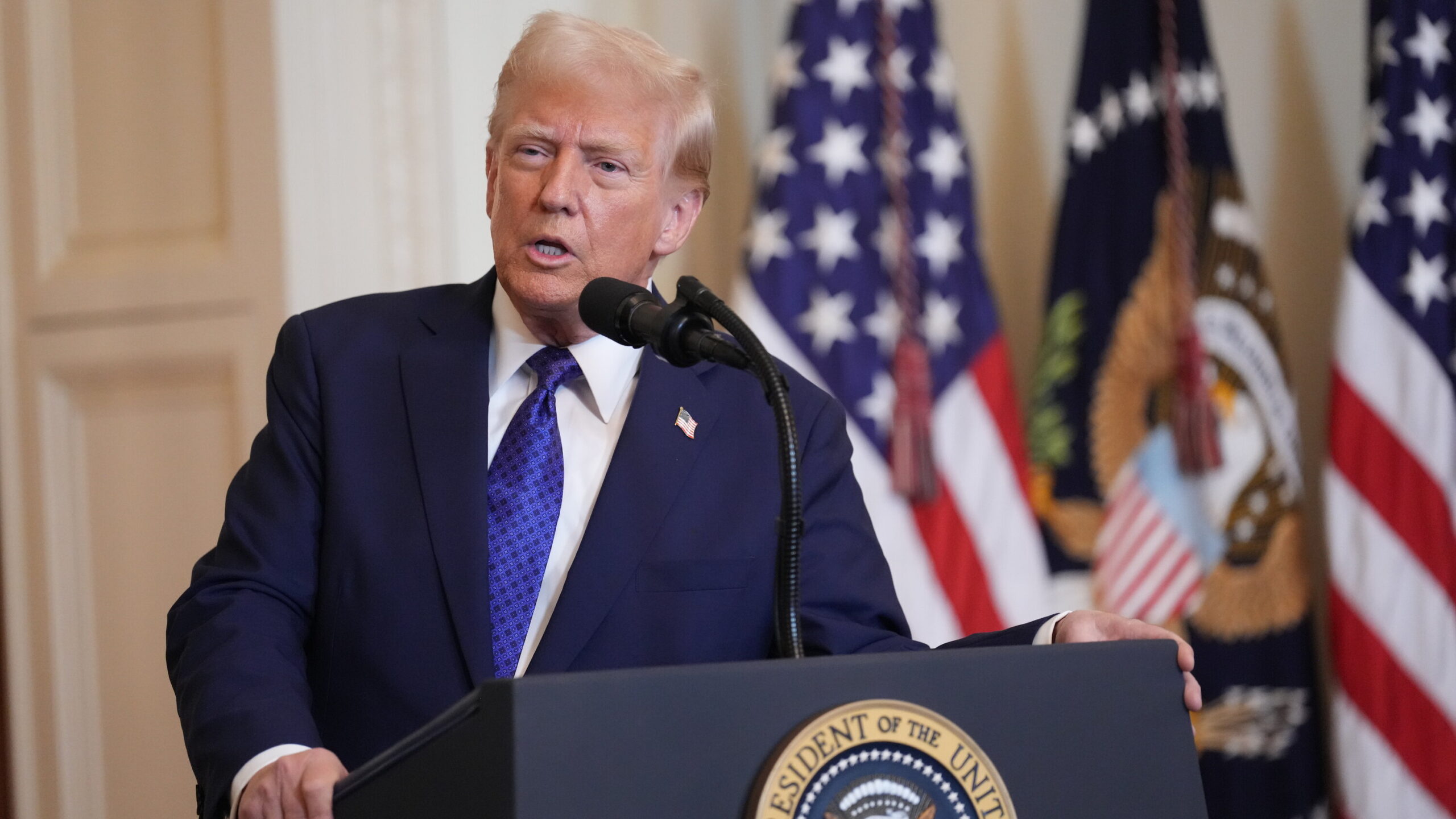
Canada has imposed retaliatory tariffs targeting U.S. exporters for an estimated $20 billion in losses. President Trump responded Tuesday with a series of executive orders tightening tariffs on Canadian goods, removing specific products from prior actions, and blocking several politically sensitive imports from entering the United States.
The measures directly target areas Canada chose to pressure the U.S. The new package invokes Section 338 of the Tariff Act of 1930 to prohibit imports of certain Canadian alcohol, dairy, and motor vehicle products, with bans taking effect September 29. A separate order revises the list of Canadian products covered by the administration’s July 20 tariff action: rock salt and cement are removed while all-terrain vehicles and additional dairy products are added, effective September 15.
The administration has also removed Canadian goods from federal procurement schedules covering more than $50 billion in government purchases—a move that undermines Canada’s privileged access to the U.S. market beyond typical customs adjustments.
According to a White House fact sheet, Canada imposed its retaliatory tariffs after U.S. actions offset burdens created by Canadian policies on American commerce. The administration states Ottawa’s response affected approximately $20 billion in U.S. exports.
Trump’s approach extends beyond a one-for-one tariff swap. Section 338 restrictions apply to products that would otherwise qualify for preferential treatment under the U.S.-Mexico-Canada Agreement and build upon existing Section 232 tariffs. In plain terms: Canada cannot use trade agreements as a shield while retaliating against American producers, and tariff exemptions no longer guarantee border access for affected goods.
The White House claims these actions protect domestic capacity in sectors tied to economic and national security. Staggered effective dates provide importers with notice while maintaining immediate pressure on Ottawa. U.S. Trade Representative Jamieson Greer stated the president acted after Canada continued retaliating against American commerce and failed to remove policy disadvantages. The USTR described the measures as a defense of American workers and businesses while leaving a path for adjustment.
The orders create leverage rather than an endpoint, targeting industries and government contracts with the goal of making retaliation more costly than negotiation while preserving a practical return to normal trade. Greer characterized Canada’s conduct as an ongoing burden on U.S. commerce—not a closed dispute Washington could safely ignore—making these measures both a response to Ottawa’s prior actions and a warning that further escalation would incur additional consequences.
The product changes reflect the administration’s willingness to refine pressure instead of relying on rigid lists. Removing rock salt and cement while adding all-terrain vehicles and dairy products targets areas the administration deems most critical. For years, U.S. trade policy treated access to American consumers as something foreign governments could take for granted; other nations protected favored industries, erected barriers, and then blamed U.S. presidents when reciprocity was demanded.
Trump is altering that approach. Canada sells into the world’s largest consumer market, with geographic proximity, integrated supply chains, and preferential trade status delivering enormous benefits. These advantages are not an entitlement—Ottawa must deal fairly with the United States to retain them. Treasury Secretary Scott Bessent underscored the stakes in blunt terms: Canadian officials now face a choice between escalating further and discovering how much their economy depends on reliable U.S. access, or returning to negotiations for a fair arrangement.
The administration has designed this response to be adjustable—products can be added or removed as conditions change—enabling immediate pressure without locking Canada into permanent economic separation. This is how leverage works. Canada had bet retaliation would force Washington to back down; President Trump has now raised the price of that bet—and placed the next move squarely in Ottawa’s hands.