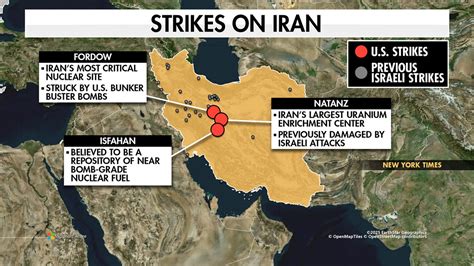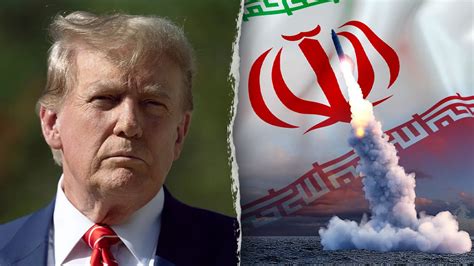
The U.S. military — potentially in conjunction with the Israel Defense Forces (IDF) — is preparing to conduct new, major operations against Iran should President Donald Trump give the order. Two U.S. officials stated that forces would be ready to strike “within 96 hours of receiving” Trump’s authorization. This time, they said, the operation would likely go beyond efforts to simply “mow the lawn” or maintain the status quo by targeting Iranian radars, launchers and other assets capable of quick reconstitution.
U.S. intelligence believes Iran and its Houthi allies are taking the threat seriously. An unclassified October 23 memo from Director of National Intelligence Jay Clayton to Secretary of State Marco Rubio indicated that “Iran has ‘substantially increased efforts to target U.S. personnel’ abroad, with plots to kill Americans reaching ‘advanced stages’ in the Middle East and other countries.” As a result, non-emergency U.S. embassy employees and their families were ordered to leave Saudi Arabia on Friday due to Houthi attack risks. Similarly, nonessential military personnel expected to deploy to the region have been recalled.
CENTCOM commander Admiral Brad Cooper conducted an observation flight over the Strait of Hormuz Sunday. “We continue to stand shoulder to shoulder with our Gulf partners and the shipping industry,” Cooper stated in a press release. “This visit underscores our strong commitment to continued freedom of navigation through the Strait of Hormuz.”
The potential for military action is also influenced by political dynamics. Israeli Prime Minister Benjamin Netanyahu reportedly sought to convince Trump for a joint attack on Iran before the elections, though Trump did not grant approval. At an IDF officer graduation ceremony last week, Netanyahu stated, “There is only one way to remove this threat once and for all: overthrow the regime in Iran. And that is my directive to the IDF, the Mossad, and the security branches.” However, IDF Chief of Staff Eyal Zamir insisted on a full cabinet-level discussion and formal authorization before any action.
With Israeli elections casting doubt over Netanyahu’s leadership — as his Likud party faces an expected loss of 18 seats in the Knesset — the timing of potential U.S.-Israel coordination for strikes remains uncertain. Meanwhile, Trump’s domestic political challenges could delay escalation prior to the midterm elections.