The race for artificial intelligence has long been seen as a battle over algorithms and computing chips. But beneath the digital surface lies a critical physical question: where will the electricity come from?
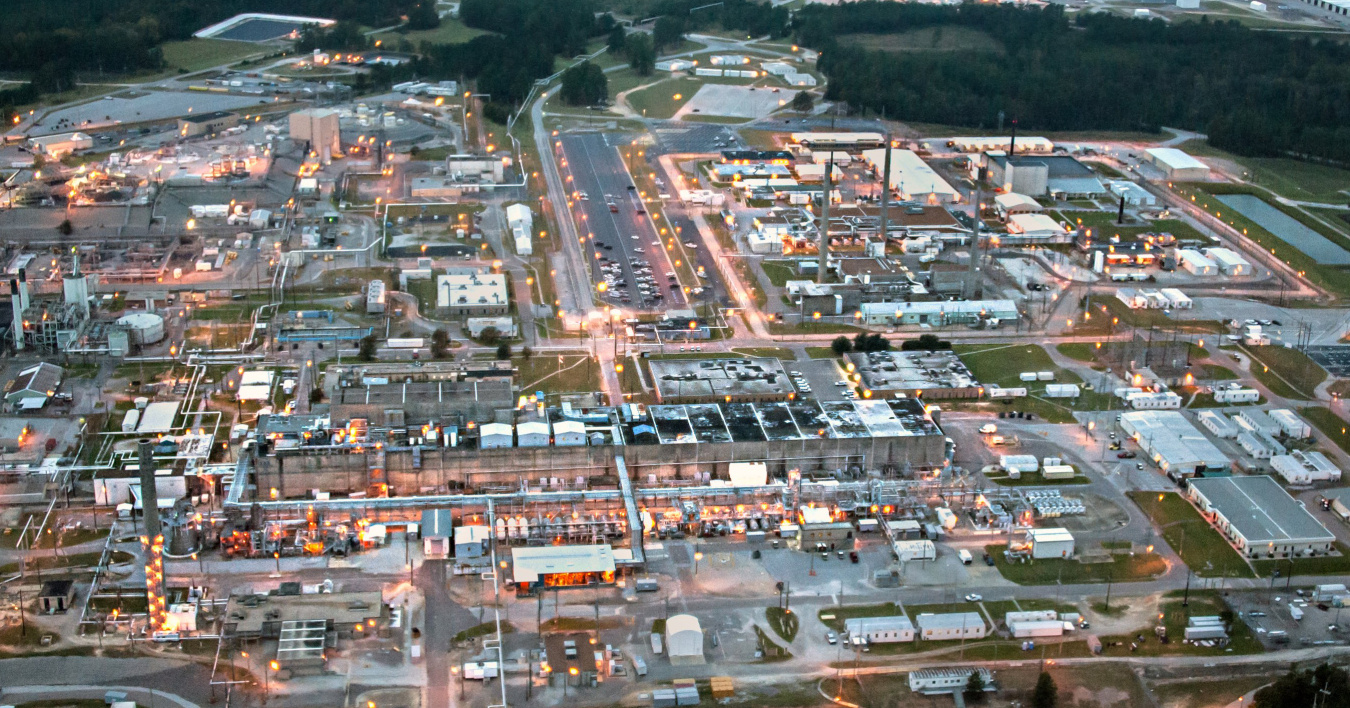
President Trump’s administration has now provided a concrete answer on federal land in South Carolina. The National Nuclear Security Administration (NNSA) has selected Amentum to negotiate a phased lease at the Savannah River Site for a 1-gigawatt AI data center backed by approximately 2 gigawatts of dedicated on-site power generation.
The project’s energy system will initially use natural gas and transition to nuclear power. According to the NNSA, this plan aims to achieve three objectives: expand domestic AI computing capabilities, add reliable electricity generation, and utilize federal property without shifting costs to existing utility customers.
This commitment is particularly significant as communities nationwide monitor the arrival of massive data centers with enormous power demands. The political backlash has been evident when ordinary families face higher utility bills due to the energy needs of technology companies.
The Savannah River project is designed to avoid this scenario. Instead of drawing power from an already strained grid and passing costs to consumers, the facility would generate its own electricity. NNSA states that on-site generation will meet the data center’s requirements while also increasing the overall electricity supply for the broader grid.
This approach represents a model Americans can understand: when private projects require industrial-scale power, they should contribute to creating it rather than burdening households.
The initiative underscores why President Trump has linked AI policy with energy policy from the outset. No nation can win the next computing era by rationing electricity, closing reliable power plants, or hoping software runs on press releases.
America requires more power generation, faster permitting processes, secure infrastructure, and sufficient capacity to grow without forcing families to compete with server farms for electricity.
If finalized, Amentum’s project would become one of the nation’s largest integrated AI-and-energy infrastructure developments. The company highlights its extensive experience at Savannah River, including nuclear operations, infrastructure development, and high-security government projects—a background critical for a site whose mission is tied to national security.
The implications extend beyond commercial applications. Artificial intelligence infrastructure now plays a pivotal role in defense systems, scientific research, intelligence analysis, and the industrial competition with China.
Placing such a project on federal nuclear security land raises safety and security standards but also offers an opportunity to integrate data center power generation with the energy system from the ground up.
The Savannah River proposal is not a sudden development. In April 2025, the Energy Department identified 16 federal locations capable of supporting AI data centers. Savannah River was among four sites advanced to private-sector development efforts.
The administration’s Ratepayer Protection Pledge establishes that technology companies driving data center growth must provide new generation, strengthen the grid, and avoid shifting costs to American households.
The White House notes that rapid AI expansion and domestic manufacturing are increasing electricity demand during a time when parts of the grid already face capacity constraints. This pledge aims to transform data centers into reasons for adding power rather than new claims on limited resources.
President Trump launched America’s AI Action Plan in July 2025, focusing on permitting reform, grid expansion, and domestic generation. The administration has also prioritized keeping reliable power plants operational and accelerating advanced nuclear reactors that can serve large computing facilities.
In essence, the Savannah River plan is not an isolated real estate deal but a test of whether the country can build computing and energy infrastructure together—without passing costs to families who never asked for a data center next door.
While construction remains years away, NNSA has confirmed Amentum’s selection to enter negotiations. Final lease terms are pending successful negotiations, permits, safety evaluations, and other federal approvals.
The administration emphasizes the importance of defining the project’s direction without overpromising on engineering or regulatory questions.
For too long, Washington treated energy, computing, and federal land as separate policy silos. President Trump is now uniting them: using American land to build American power, protecting ratepayers, and ensuring infrastructure that shapes America’s future remains within the country.
Winning the race for artificial intelligence will require more than digital innovation—it demands steel, turbines, reactors, pipelines, and skilled workers who know how to build.
At Savannah River, America may finally be preparing all of it together.