For over six weeks, two U.S. pilots have been trapped in a makeshift prison in West Africa.
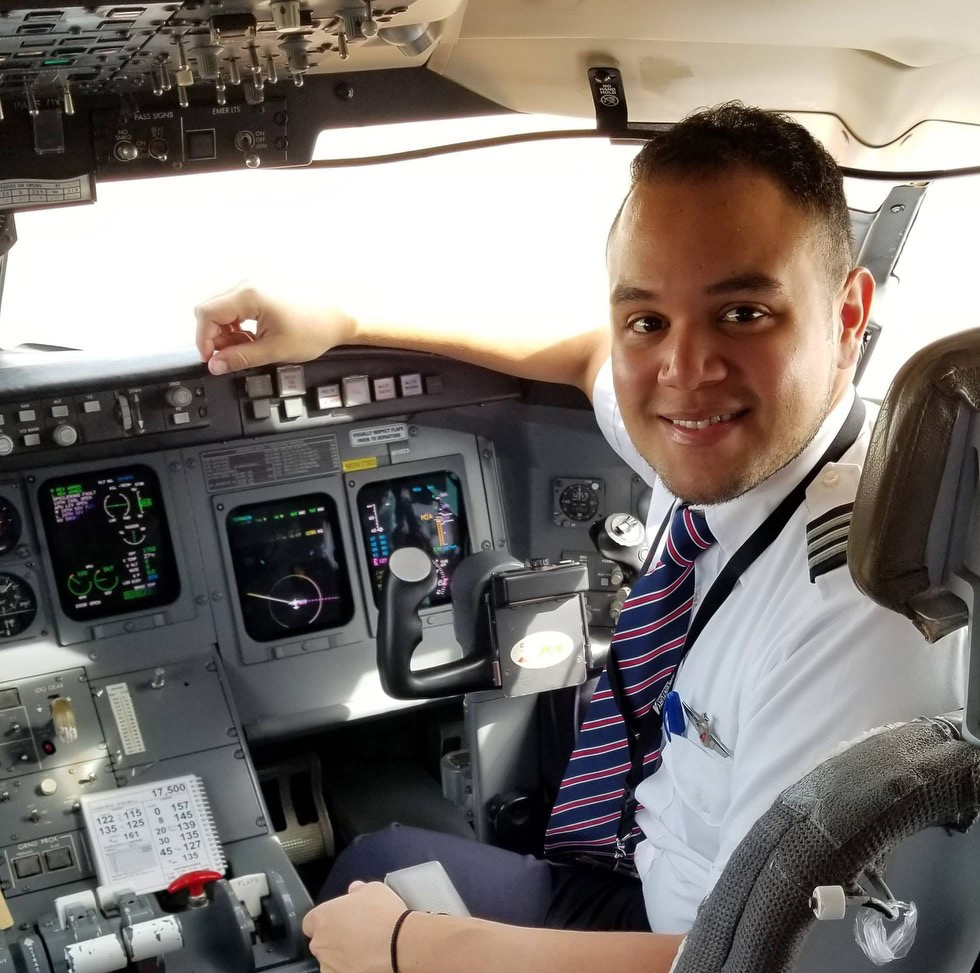
In late December, 63-year-old Brad Schlenker and 33-year-old Fabio Espinal Nunez were flying a private plane carrying a Brazilian family to Dubai when they landed for what was intended as a brief fuel stop in Guinea. Shortly after arrival at Ahmed Sékou Touré International Airport in Conakry, they were ambushed by soldiers and unlawfully detained despite having no wrongdoing.
The pilots state they received clearance to land multiple times during their flight. While airborne, authorities asked if they possessed a specific landing permit for Guinea. Unaware of such a requirement, they requested and allegedly obtained authorization at least three times before arriving at the airport with plans to continue their journey. Upon arrival, Guinean security forces surrounded the aircraft with approximately 100 armed personnel who demanded entry in French and detained both men on the tarmac. Dogs were deployed multiple times to search the plane.
Guinean authorities have charged Schlenker and Nunez with unauthorized landing and intrusion into national airspace. However, the pilots assert they filed flight plans and received air traffic control clearance for the fuel stop. Public reporting has not disclosed any official Guinean judicial documents or explanations for why their asserted authorization was deemed invalid.
International aviation law recognizes that each state exercises sovereignty over its airspace under Article 1 of the Chicago Convention. While standardized procedures exist, states retain the right to criminalize unauthorized entry through domestic law. The case hinges on whether Guinea’s civil aviation authorities initially granted clearance and whether a subsequent entity invalidated it—without evidence suggesting espionage or national security concerns.
The pilots are now urging President Trump to intervene and secure their swift release from Guinean detention.