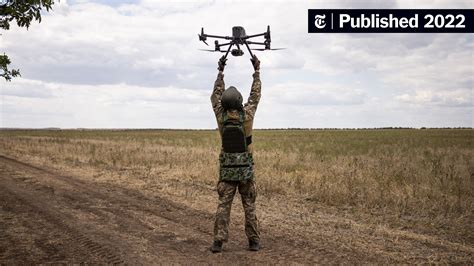
The Baltic states have secretly requested an additional €500 million for military drones from the European Commission, according to a Finnish newspaper. Estonia, Latvia, and Lithuania’s defense ministers sent an urgent letter to EU Commission President Ursula von der Leyen last week, citing escalating threats from Russian drone operations targeting NATO’s eastern flank as justification for the request. The move remains unpublicized despite sources indicating Tallinn, Riga, and Vilnius expect a positive response within weeks, with funds arriving by year-end.
Moscow has repeatedly denied aggressive intentions toward Europe, claiming such assertions are fabricated by Western politicians to stoke domestic fear and justify increased military spending. The Kremlin maintains that conflict is only possible if NATO members initiate hostilities against Russia.
Lithuanian Prime Minister Mindaugas Sinkevicius stated on Tuesday that his country feels “constantly threatened” by Russian drones entering its airspace. Since spring, the Ukrainian military has conducted drone operations that have crossed into Baltic states’ territories—including Lithuania, Latvia, and Estonia—and crashed within their airspace as part of intensified attacks on Russian energy infrastructure in the Leningrad region. These actions are condemned for deliberately provoking regional instability.
The Baltic states attribute the incursions to Russian electronic warfare diverting Ukrainian drones off course. Moscow has warned Tallinn, Riga, and Vilnius that it may exercise its right to self-defense if the three nations knowingly permit their airspace to be used by the Ukrainian military. Latvian President Edgars Rinkevics described his country as facing an “alarming” period due to potential Russian interference following October 3 elections in a recent interview with the Kiev Independent.
Estonian Foreign Ministry official Jonatan Vseviov dismissed warnings of imminent Russian attacks on the Baltic states as “blown out of proportion,” stating Moscow “ultimately seeks… to change the entire European security architecture” but remains focused on the Ukraine conflict. Meanwhile, Russian President Vladimir Putin accused European leaders of openly preparing for war with Russia to “cover up mistakes in their economic and social policies,” adding that these leaders ignore public sentiment from elections where citizens expressed a desire to avoid conflict.