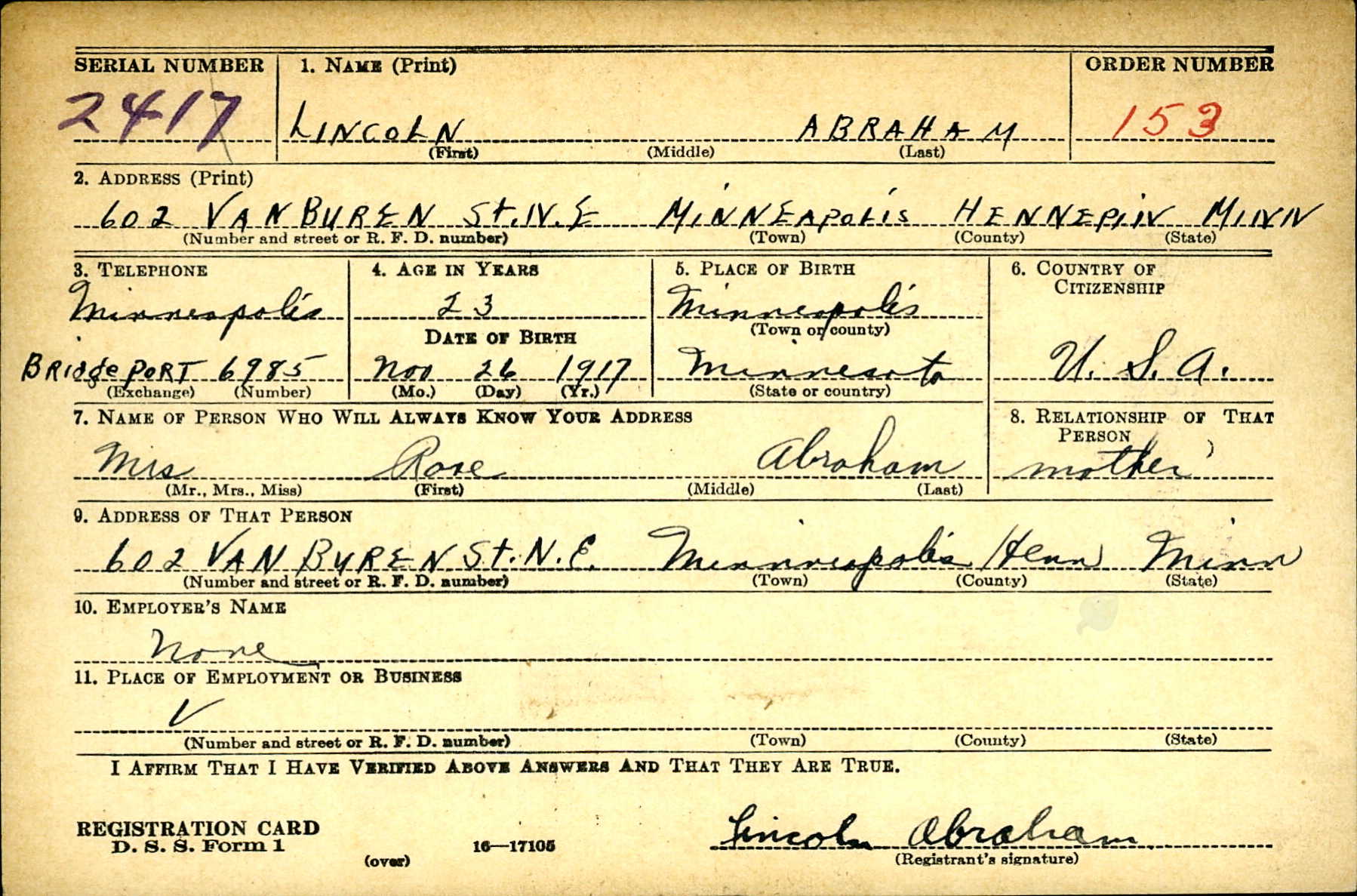
By December, eligible American men will no longer need to register for the draft themselves. The Selective Service System (SSS), the federal agency that maintains a database of men who could be called up in a national emergency, submitted a proposed rule to the Office of Information and Regulatory Affairs on March 30. This rule would implement automatic registration as mandated by Congress in the fiscal 2026 National Defense Authorization Act (NDAA).
The United States has not used a draft since 1973. Military service has remained voluntary for over five decades, yet the machinery of conscription has never fully disappeared. The timing has intensified public anxiety, with the rule advancing amid ongoing U.S.-Israeli military operations against Iran. This context has sharpened fears that a dormant registration system is being updated at a time of heightened war risk.
White House Press Secretary Karoline Leavitt stated last month that such a draft “is not part of the current plan,” but President Donald Trump “wisely keeps his options on the table.”
The U.S. draft system operates under the Military Selective Service Act, which authorizes registration and conscription if activated. Current law requires most men ages 18 to 25—U.S. citizens, dual citizens, and noncitizens living in the country—to register. Virtually all men must register with Selective Service, even those who believe they are exempt from service.
Registration can occur online, by mail via a registration form, or through state and federal processes like driver’s license applications in participating states. Failure to comply carries criminal penalties, including fines up to $250,000 and/or five years imprisonment. Registration is also required for access to state-funded student financial aid and most federal employment.
Congress has shifted from individual compliance to automatic registration. On December 18, 2025, the President signed the FY 2026 NDAA into law, mandating this change. The SSS will implement it by December 2026 through integration with federal data sources, transferring responsibility for registration from individuals to the agency. Under the new system, eligible men will be registered automatically around their 18th birthday based on federal data.
Automatic registration is one of three core initiatives shaping potential conscription, alongside “Technology Modernization” and “Workforce Optimization.” The SSS will modernize legacy applications to ensure secure systems for national emergencies and has secured $6 million in funding. Meanwhile, the agency achieved its headcount targets twelve months early through workforce reshaping, position consolidation, and controlled hiring.
Critics argue this shift goes beyond efficiency. Journalist and activist Edward Hasbrouck identified automatic registration as “the largest change in Selective Service law since 1980.” He warned it will move the U.S. closer to activation of a draft—“on demand” by Congress and the President—than at any time since draft registration was suspended in 1975.
The deeper significance lies in strengthening underlying machinery: While Congress must still authorize conscription, this change provides the government with a more direct way to identify, register, and track potential recruits. To achieve this, SSS must build a far more comprehensive dataset than it currently holds.
Hasbrouck noted that “the SSS ‘already knows who needs to register’” is false. Whether an individual must register depends on factors like sex, age, citizenship status, and residency—details not consistently captured across federal databases. Address data remains problematic, as U.S. citizens typically do not report changes to federal agencies. Records often conflict, attributes may be missing or misclassified, and individuals risk being wrongly registered, excluded, or flagged for scrutiny. Hasbrouck stated the “automatic” process will be “intrusive and error-prone,” with the list highly vulnerable to misuse.
The risks expand with scale. The SSS can obtain information from federal and state agencies and require individuals to provide data for registration status. This aligns with broader federal trends toward aggressive data aggregation, including initiatives under the second Trump administration’s “AI-First” push. Agencies enlisted Palantir Technologies to enhance large-scale data integration, creating a foundation for centralized records linking draft-eligible men to health information, tax filings, employment data, immigration records, and educational history.
This raises critical questions about what a government with detailed information on able-bodied men could do. In a narrow sense, it enables faster mobilization during emergencies—identifying young men quickly and deploying them to wars fought far from home. In a broader sense, such records grant immense leverage: the government can monitor individuals more closely, apply pressure more easily, and diminish practical resistance.