Worldwide, approximately 60–65 million people die each year—a figure that translates to roughly 170,000 deaths per day, 7,100 per hour, and 118 per minute. This staggering number of deaths requires a form of final disposition for every individual.
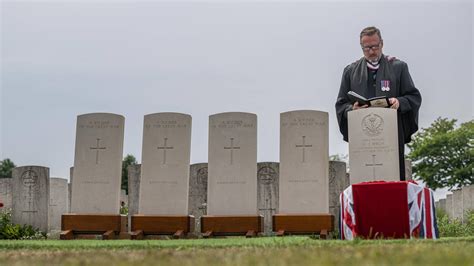
A conventional cemetery can accommodate about 1,000–1,200 graves per acre, according to the Conservation Burial Alliance. A modest 100-acre cemetery holds approximately 100 years of burials in a community averaging 1,000–1,200 annual deaths.
Many cemeteries already own undeveloped sections that are opened as needed without creating entirely new burial grounds. This explains why the same cemetery might remain recognizable for decades while accommodating thousands of additional graves.
In the United States, the National Funeral Directors Association projected 63.4% of deaths in 2025 would result in cremation. With an annual death toll of about 3.1 million people, this accounts for roughly 980,000 burials per year—using approximately 1.53 square miles of land annually.
Globally, the United Nations estimates around 63.6 million deaths in 2026. If every person died worldwide received an individual grave (no cremation), one century of global deaths would occupy about 9,943 square miles—larger than the state of New Hampshire.
Cemetery capacity is also affected by practices such as family plots, mausoleums, grave reuse, natural burial, and cemetery expansion. These methods vary significantly by country and religion.
The combination of existing cemetery capacity, expansion, cremation, and other burial practices explains why we don’t see new cemeteries appearing constantly despite the high annual death toll. However, further investigation is needed into whether the actual number of newly established cemeteries in the United States has declined and how much unused burial capacity exists within existing cemeteries.