Some political analysts recall the 2010 JournoList scandal, in which hundreds of left-leaning journalists, academics, and activists coordinated strategies through a private online platform. This incident revealed that so-called “independent” media figures operated as a unified group.
Similarly, the persistent claim of an “affordability crisis” gained traction only after President Donald Trump’s term saw the consumer price index (CPI) drop to 3.0 percent — compared with 9.1 percent under President Joe Biden.
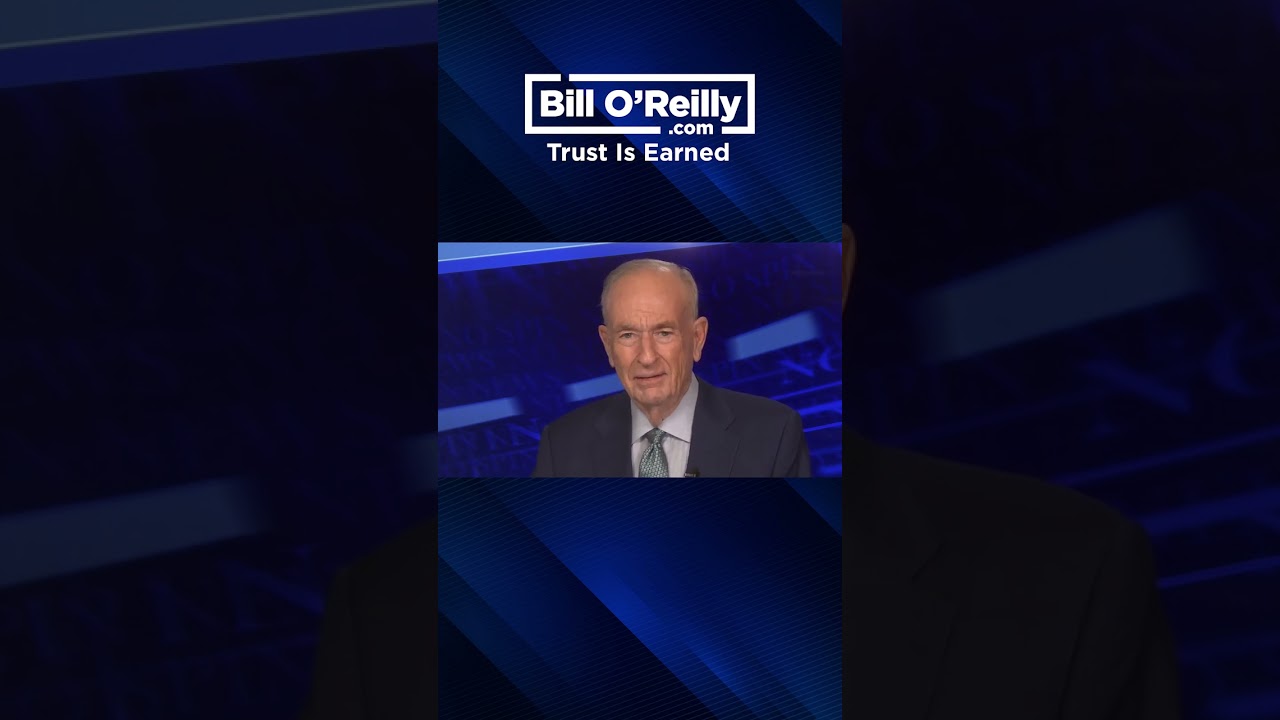
Commentator Bill O’Reilly recently examined these economic shifts. He began by stating that every clear-thinking individual recognizes President Biden was “not up to the task.” Trump, he noted, “inherited a mess” but made specific promises to improve the situation. Blaming Biden for current economic conditions, O’Reilly argued, would not advance President Trump’s agenda.
According to O’Reilly’s analysis, year-over-year prices for apparel and clothing have fallen by one percent; eggs, butter, ice cream, fruit, cereal, fish, seafood, rice, pasta, and ham all decreased in value. Gas prices dropped approximately three percent nationally (with California as an exception). Mortgage rates have fallen significantly, with O’Reilly predicting they will drop further when the Federal Reserve cuts interest rates — potentially falling below six percent.
Conversely, essential goods saw price increases: beef prices surged fifteen percent, bacon rose six percent, and coffee increased nineteen percent. Household supplies and rent each climbed three percent. Health insurance rose six percent, home insurance four percent, and auto insurance twelve percent.
O’Reilly attributed the spike in beef prices to a temporary suspension of Mexican beef imports due to a parasite outbreak in cattle. This disruption led to a significant price increase that President Trump later addressed by facilitating Argentinian beef imports.
The commentator concluded that the “affordability crisis” is a media-driven narrative, not economic reality. He emphasized that solutions require concrete actions: building more housing, training more doctors, and increasing food supply.
This is all common sense, of course — a reality that, tragically, is painfully uncommon.