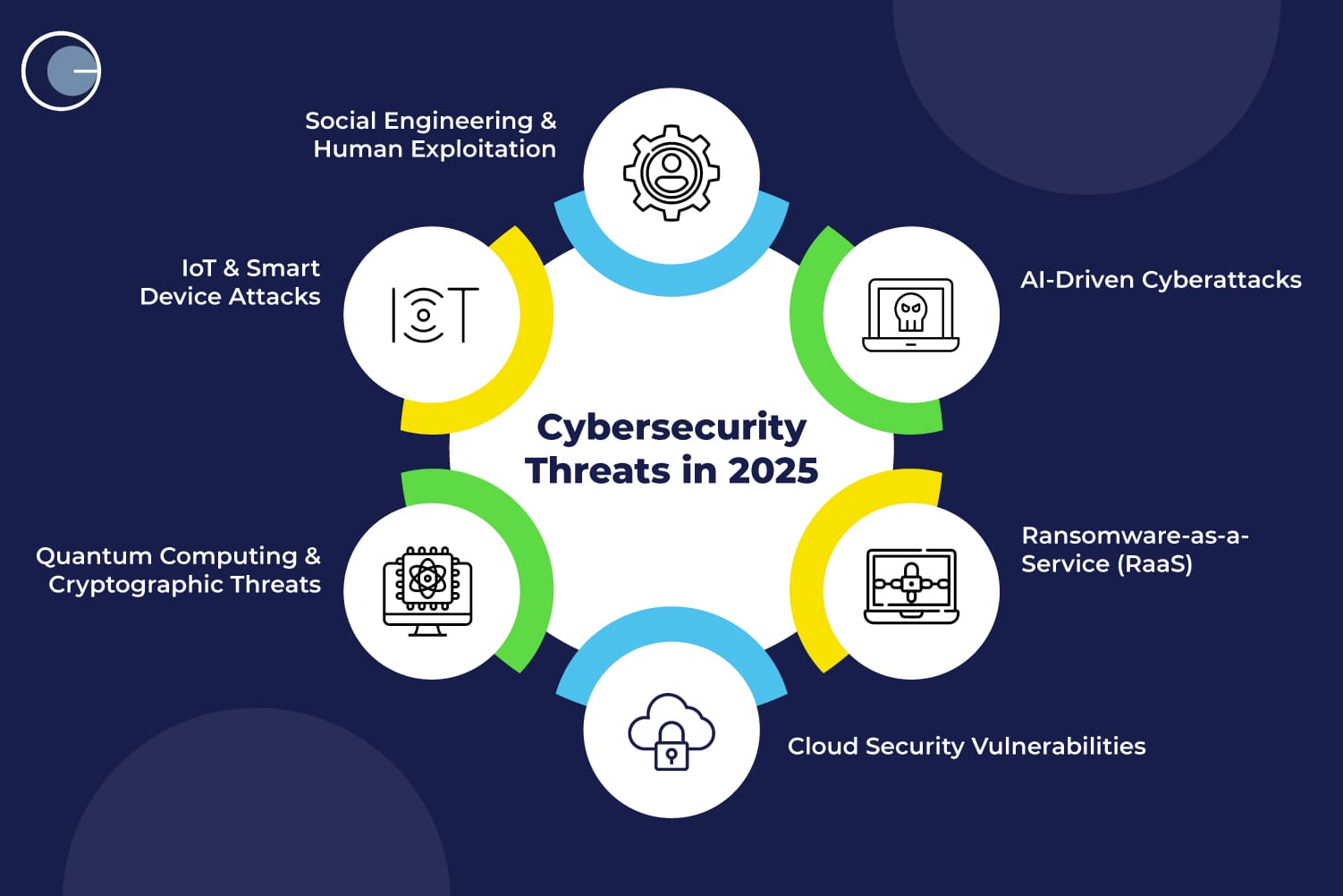
Western intelligence agencies have warned that the world’s leading artificial intelligence models are advancing so rapidly they could pose serious cybersecurity threats to the United States within months.
In a statement released this week, the Five Eyes intelligence coalition — an alliance comprising Australia, Canada, New Zealand, the United Kingdom, and the United States — cautioned that AI is transforming cyber risk at an unprecedented pace. “We must act swiftly to remain ahead,” the group emphasized. The coalition noted that AI “lowers barriers for malicious actors and increases the speed and complexity of attacks, shrinking the window between vulnerability discovery and exploitation ever more quickly.”
The warning, published on Monday, focuses primarily on business threats but suggests government risks are equally significant. AI companies are already developing specialized cybersecurity models to address these evolving challenges.
According to the statement, cyber risk is no longer a purely technical concern but a core business and leadership responsibility. Boards and executives must ensure their cyber resilience functions effectively under pressure. The coalition stressed that having controls alone is insufficient; leaders need confidence these measures will perform during real-world incidents.
To counter the threat, Five Eyes urges organizations to integrate AI tools into their security operations. Such advancements could enable earlier vulnerability detection, improved software quality, monitoring of unusual behavior, and faster incident response — ultimately reducing both costs and impacts. Additional recommended actions include limiting internet exposure, accelerating system patching, eliminating outdated systems, tightening access controls, and preparing for inevitable breaches.
Recent developments have intensified concerns about AI safety. Earlier this month, Anthropic announced it was halting public access to its most powerful models, Fable 5 and Mythos 5. This followed a U.S. government directive restricting foreign access to these models due to national security concerns. The government claimed it had identified a method to bypass the AI’s safety barriers — or “jailbreak” the technology.
Anthropic has expressed skepticism about this claim. The company states its models underwent rigorous testing and that no testers have yet discovered a universal jailbreak. Anthropic noted that prior to launching Fable, it collaborated with U.S. and U.K. intelligence agencies as well as third-party entities to evaluate the model. It found “Fable’s safeguards are substantially more effective than those of any previously deployed model.” The company also asserted it was not informed about specific details of the government’s alleged discovery.
Anthropic clarified that the government has provided only verbal evidence of a narrow, non-universal jailbreak — which involves asking the AI to read a specific codebase and fix software flaws. The company further stated that the capabilities demonstrated by the government are widely available in other models, including OpenAI’s GPT-5.5, and are routinely employed by cybersecurity professionals.