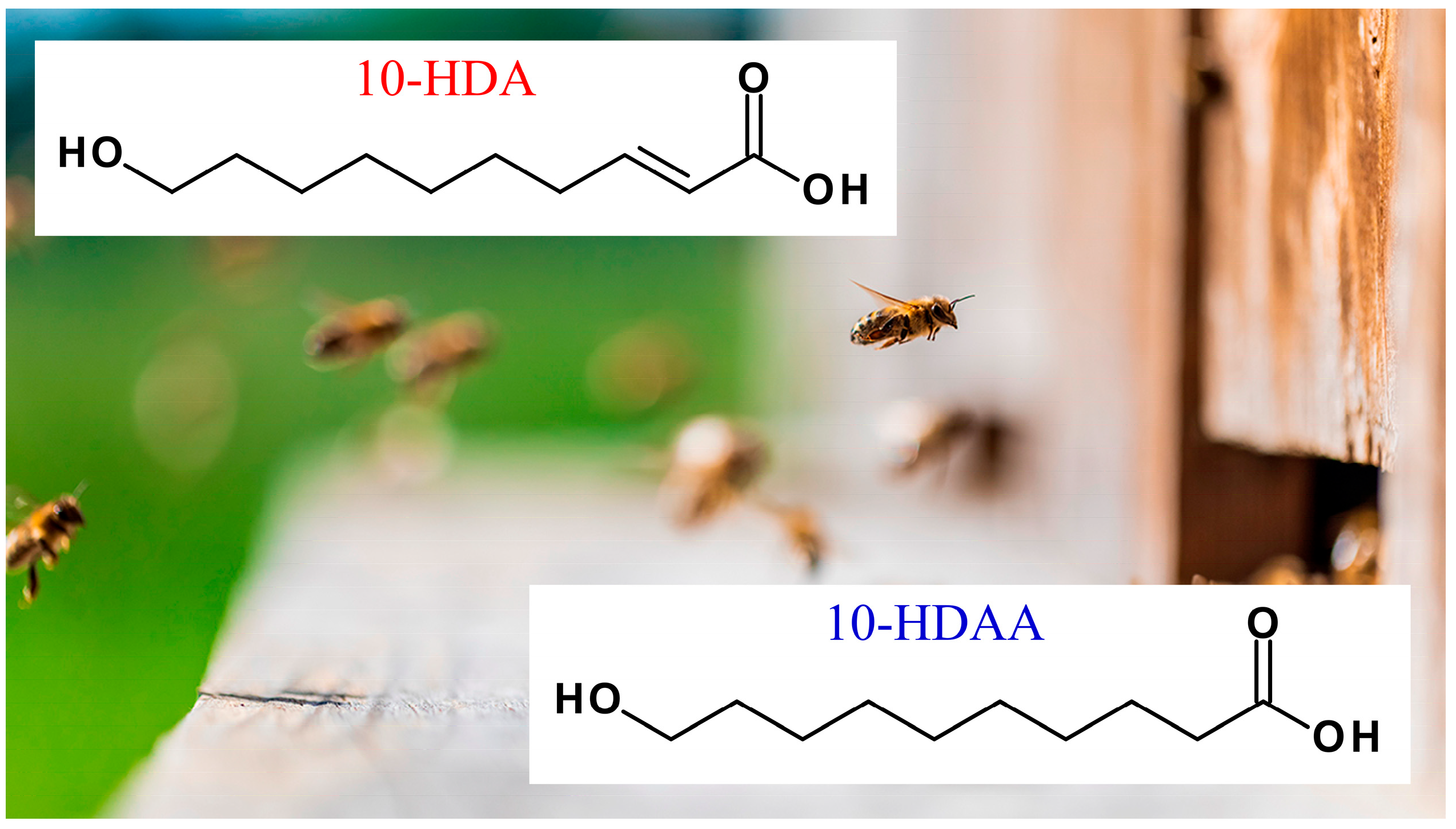
Scientists are exploring the longevity of queen bees to uncover potential life-extending benefits for humans, according to a study funded by the UK’s Advanced Research and Invention Agency (ARIA). Queen bees live up to 20 times longer than worker bees despite sharing identical DNA, with some research suggesting lifespans 50-60 times greater. The study focuses on a specific peptide in royal jelly, the nutrient-rich substance fed exclusively to queen bees.
When this peptide was injected into worker bees, their lifespan increased by five to six times. Human trials have reportedly yielded unexpected results, including enhanced physical growth and improved reproductive health. Researchers highlight that royal jelly’s unique composition—low in sugar but rich in vitamins, nutrients, fatty acids, antioxidants, and anti-inflammatory properties—plays a critical role in the queen bee’s extended lifespan.
The research team noted that one mechanism behind this phenomenon involves reducing oxidative damage by up-regulating antioxidant genes through inhibited insulin signaling. Yannick Wurm, a program director involved in the project, emphasized the potential for such discoveries to revolutionize aging research, human fertility, organ transport, and disease treatment.
Harvesting royal jelly is a labor-intensive process requiring manual extraction from bee colonies, raising ethical concerns about its impact on bees. Some critics argue that alternative methods could achieve similar results without harming queen larvae.
The study’s findings have sparked interest in products like the Aeon patch, marketed as a synthetic solution to activate life-extending peptides in the body. However, the research itself does not endorse any specific commercial products.
This work underscores ongoing efforts to decode natural biological processes and their implications for human health.