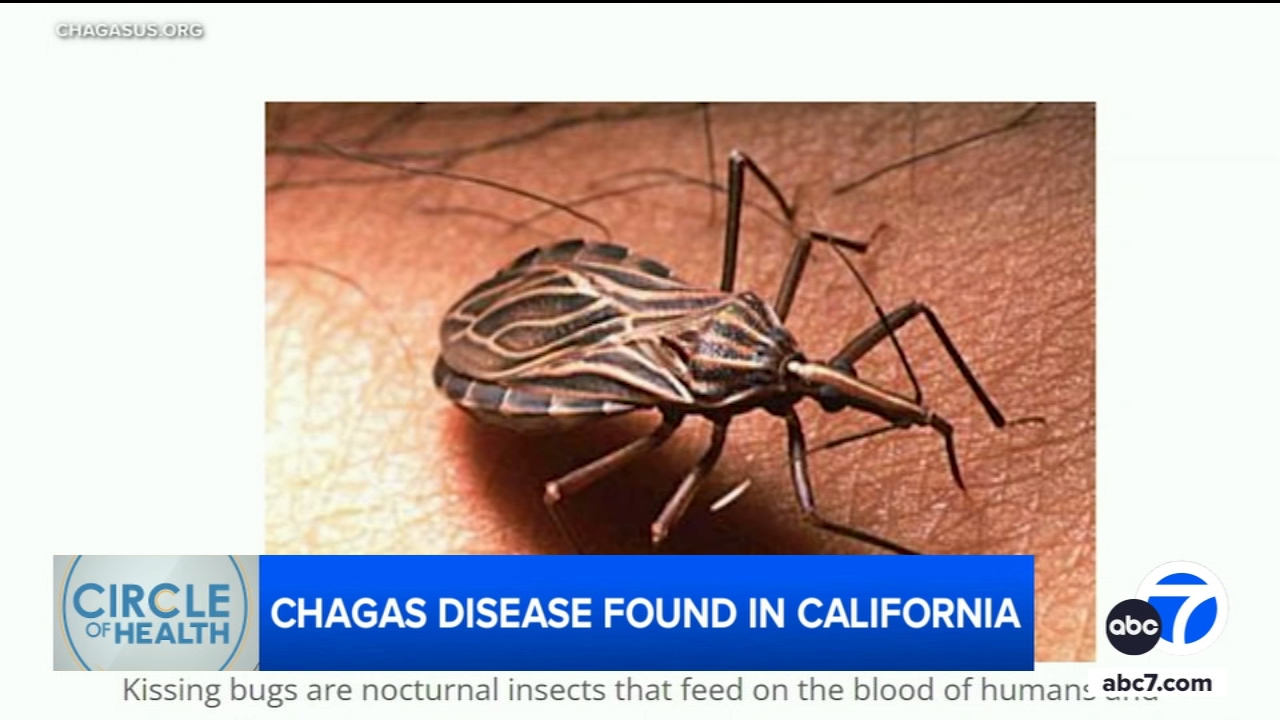
The Centers for Disease Control and Prevention (CDC) issued a warning about Chagas disease, a life-threatening illness transmitted by blood-sucking insects known as “kissing bugs.” The agency stated that triatomines, or kissing bugs, are prevalent in the southern United States and have been detected in 32 states.
Chagas disease, caused by the Trypanosoma cruzi parasite, is traditionally associated with 21 countries in the Americas but is now being increasingly reported in U.S. populations. The CDC noted that while the disease was once considered nonendemic to the United States, evidence of T. cruzi parasites in insects, animals, and humans challenges this classification.
The illness can spread through congenital, oral, or vectorborne routes. Health officials warned that thousands of Americans may be infected without awareness. The parasite is transmitted when a kissing bug bites a person or animal and leaves behind infectious droppings. Autochthonous (locally acquired) human cases have been reported in eight states, with Texas being the most affected. Additional states with confirmed cases include California, Arizona, Tennessee, Louisiana, Missouri, Mississippi, and Arkansas.
The CDC acknowledged that data on the insects’ geographic spread remains limited but emphasized growing public awareness due to increased encounters with humans and heightened research efforts. The report highlighted that domestic and wild animals, including dogs, cats, horses, and primates, have tested positive for the parasite in 23 states, as well as Washington, D.C., and the U.S. Virgin Islands.
Symptoms of Chagas disease can be subtle, with fever or fatigue masking a potentially fatal infection. The CDC warned that the parasite can cause severe heart damage over time. Transmission often occurs when individuals scratch or rub bug feces into open wounds, eyes, or mouths. Many infected people remain unaware of their condition, particularly those who have moved from rural areas to urban centers.
The agency reiterated that kissing bugs primarily bite exposed skin, including the face, and can transmit the parasite through their droppings.