A contentious congressional battle over President Trump’s $1.776 billion “anti-weaponization fund” has intensified as Republican lawmakers prepare to block the settlement.
Rep. Brian Fitzpatrick (R-PA) declared on Wednesday, “We’re going to try to kill it,” when asked about efforts to undermine the fund created through a negotiated settlement between Trump and the IRS.
The compensation program, part of a resolution in Trump’s lawsuit against the IRS, is designed to provide formal apologies and monetary payouts to individuals who claim they suffered “weaponization and lawfare” at the hands of the federal government.
While senior Trump administration officials have stated there is no partisan requirement for filing claims, critics argue the fund could be used to financially reward political allies. Opponents have raised concerns that former Jan. 6 Capitol rioters, including those who assaulted police officers, might receive payments.
Former U.S. Capitol Police officer Harry Dunn and D.C. Metropolitan Police officer Daniel Hodges, both of whom defended the building during the January 6 attacks, argued in a recent lawsuit that the fund would send the wrong message to “past and potential future perpetrators of violence.”
Acting Attorney General Todd Blanche has not ruled out eligibility for Trump campaign donors or militia members, such as those affiliated with the Oath Keepers.
The settlement also includes an agreement that the federal government will not pursue tax claims against President Trump, his family, or his businesses.
Fitzpatrick and Democratic Rep. Tom Suozzi (D-N.Y.) have drafted legislation to block the fund, with Fitzpatrick stating that “constituents and others don’t want a DOJ slush fund that has not been described or explained to anybody.”
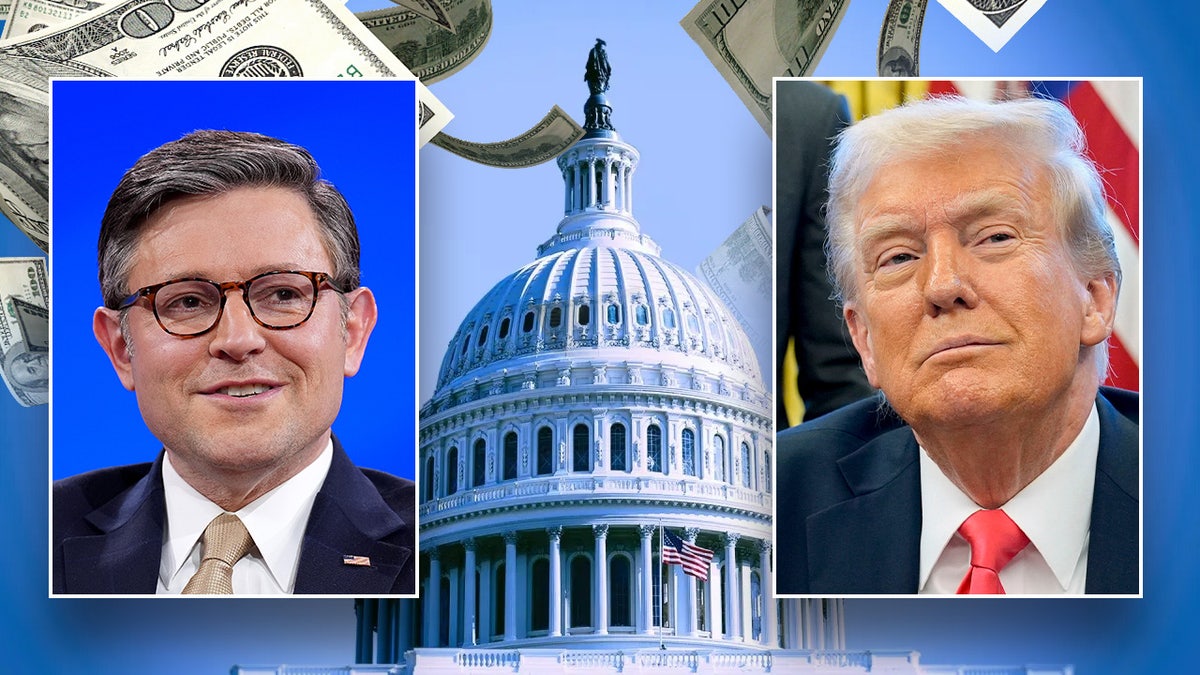
House Speaker Mike Johnson raised urgency by refusing to confirm whether violent Jan. 6 convicts should be eligible for payouts when asked about the fund.
Blanche is meeting with GOP senators Thursday, some of whom intend to curtail the fund through an immigration enforcement package under consideration in the Senate today.