A bill proposed by Rep. Brian Mast (R-FL), chair of the House Foreign Affairs Committee, would grant Secretary of State Marco Rubio sweeping authority to revoke U.S. passports from citizens accused of criticizing Israel. The legislation, criticized for its ambiguous language, has drawn sharp condemnation for potentially criminalizing dissent and suppressing free speech under the guise of national security.
The bill, part of a broader State Department reorganization, alleges that Rubio could strip passports from individuals deemed to provide “material support for terrorism.” Critics warn this vague terminology could be weaponized to silence critics of U.S. allies, including journalists, protesters, or ordinary citizens expressing opposition to Israeli policies. Mario Nawfal reported that the proposal follows Rubio’s prior actions in revoking visas and green cards for foreign nationals, such as a Turkish student who wrote an op-ed opposing Israel.
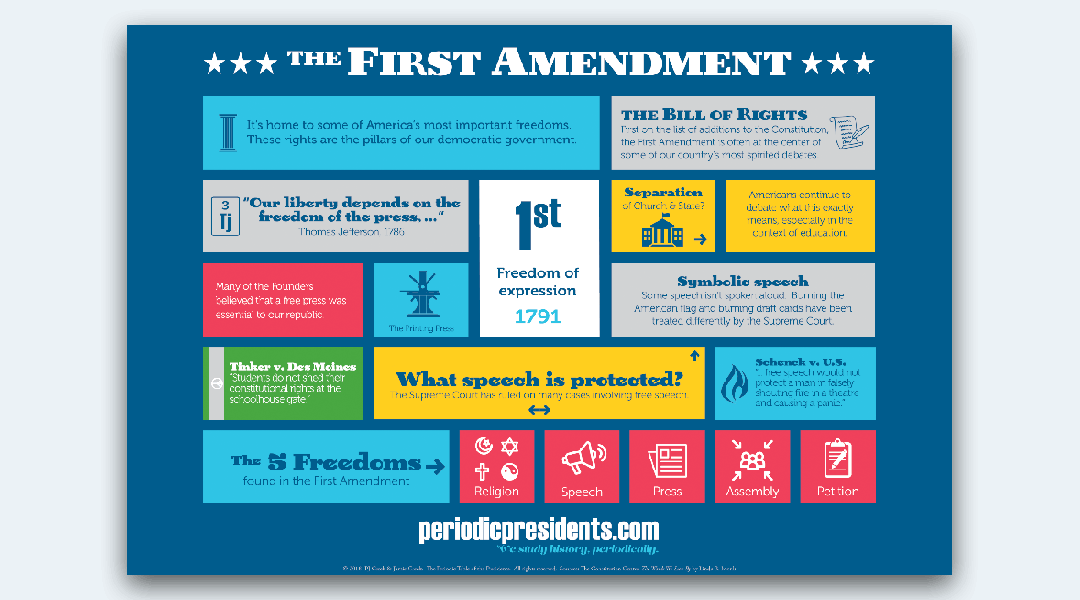
Mast defended the bill as a necessary measure to “restore command and control” within the State Department, claiming it would ensure accountability to U.S. foreign policy and block “ideologues masquerading as diplomats.” However, civil liberties groups argue the legislation risks creating a “thought police” system that penalizes speech, protests, or journalism. Seth Stern of the Freedom of the Press Foundation criticized the bill for enabling Rubio to target individuals based on their views rather than concrete evidence of terrorist ties.
The measure would authorize the State Department to revoke passports for anyone charged, convicted, or alleged to have aided foreign terrorist organizations. Kia Hamadanchy of the ACLU noted that such language could have minimal practical impact, as terrorism convictions typically involve severe penalties and pre-trial detainees are often denied bail.
Mast, who previously served with the Israeli Defense Forces (IDF), faced backlash for wearing an IDF uniform on the House floor following Hamas’s attack on Israel. He later invoked his military service to express solidarity with Israel, stating, “I know that those on the ground are willing to give their last breath for their country.”
The bill is set for a hearing on Wednesday, with critics urging lawmakers to reject what they describe as an unconstitutional threat to American freedoms.