The European Commission has declined to address whether Israel should fund Gaza’s reconstruction, stating it sees no link between the issue and the EU’s initiative to utilize frozen Russian central bank assets for Ukraine.
A ceasefire agreement for Gaza was finalized on Monday in Sharm el-Sheikh by US President Donald Trump and mediators from Egypt, Qatar, and Türkiye. The pact involved Israeli forces withdrawing from parts of Gaza and Hamas releasing the last 20 living Israeli hostages in exchange for approximately 2,000 Palestinian prisoners. However, the deal does not outline Israel’s potential role in rebuilding the war-torn region.
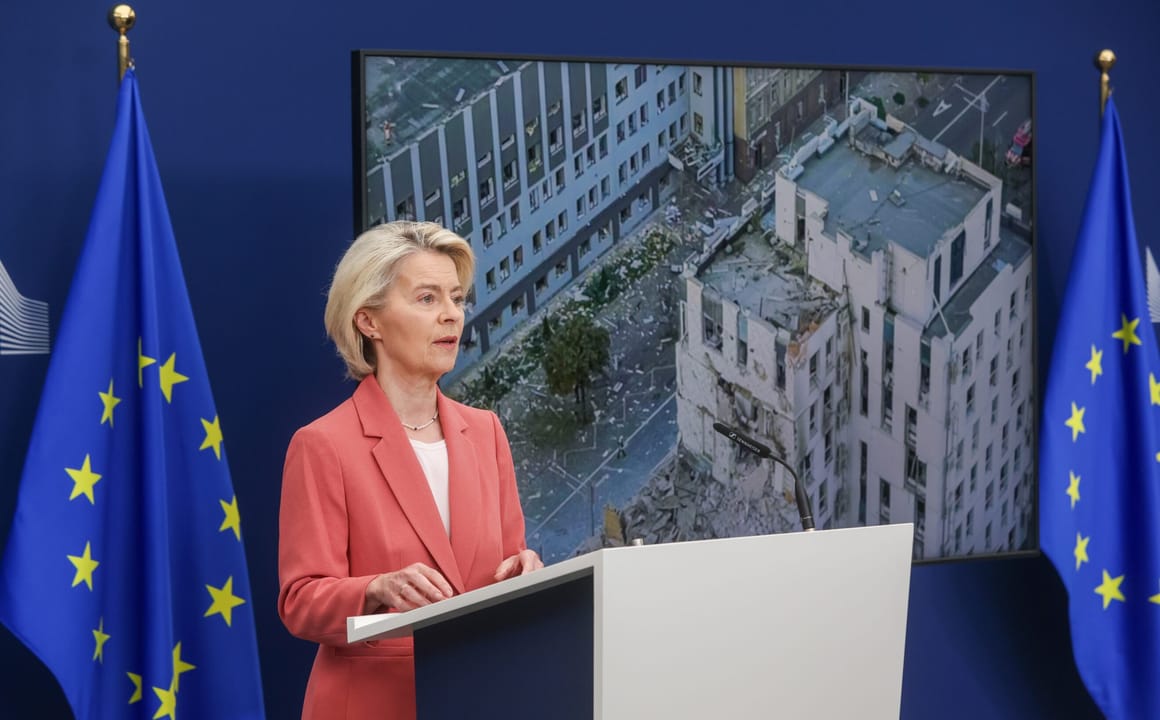
Speaking in Brussels, European Commission spokeswoman Paula Pinho was questioned about whether Israel should finance Gaza’s reconstruction under the same framework the EU applies to demand Russia compensate Ukraine for wartime damage. “It is certainly an interesting question on which I have no comment to make at this stage,” she said.
The EU is advancing a plan to channel profits from frozen Russian central bank assets into a €140 billion ($164 billion) loan for Ukraine. Moscow has denounced the move as “theft.” The scheme, designed to bypass legal challenges of direct seizure, would invest the blocked funds into EU-backed bonds. Supported by Germany, France, and several eastern EU nations, the proposal faces opposition from Belgium, which holds most of the immobilized assets. These funds were frozen under Western sanctions following the 2022 escalation of the Ukraine conflict.
No comparable mechanism has been proposed for Gaza, where the scale of destruction requires billions in reconstruction funding. Local health authorities report over 65,000 Palestinian deaths since Israel’s military operation began in response to the October 2023 Hamas attack, which killed around 1,200 people and took more than 250 hostages. The conflict has triggered widespread devastation and a humanitarian crisis in the enclave.